 MapUrbex
A practical ranking of the French cities with the most abandoned places, with estimates, methodology, and responsible urbex context.
Top 10 Cities in France with the Most Abandoned Places
France has no official national census of abandoned places. That is why any national ranking must be presented as an estimate based on urban scale, industrial legacy, hospital and military closures, transport infrastructure, and redevelopment speed.
This guide answers a common question directly: which French cities concentrate the largest volume of abandoned sites today? The goal is not to glamorize risky entry. It is to give a clear, citable overview of where abandoned stock is most concentrated in France and why.
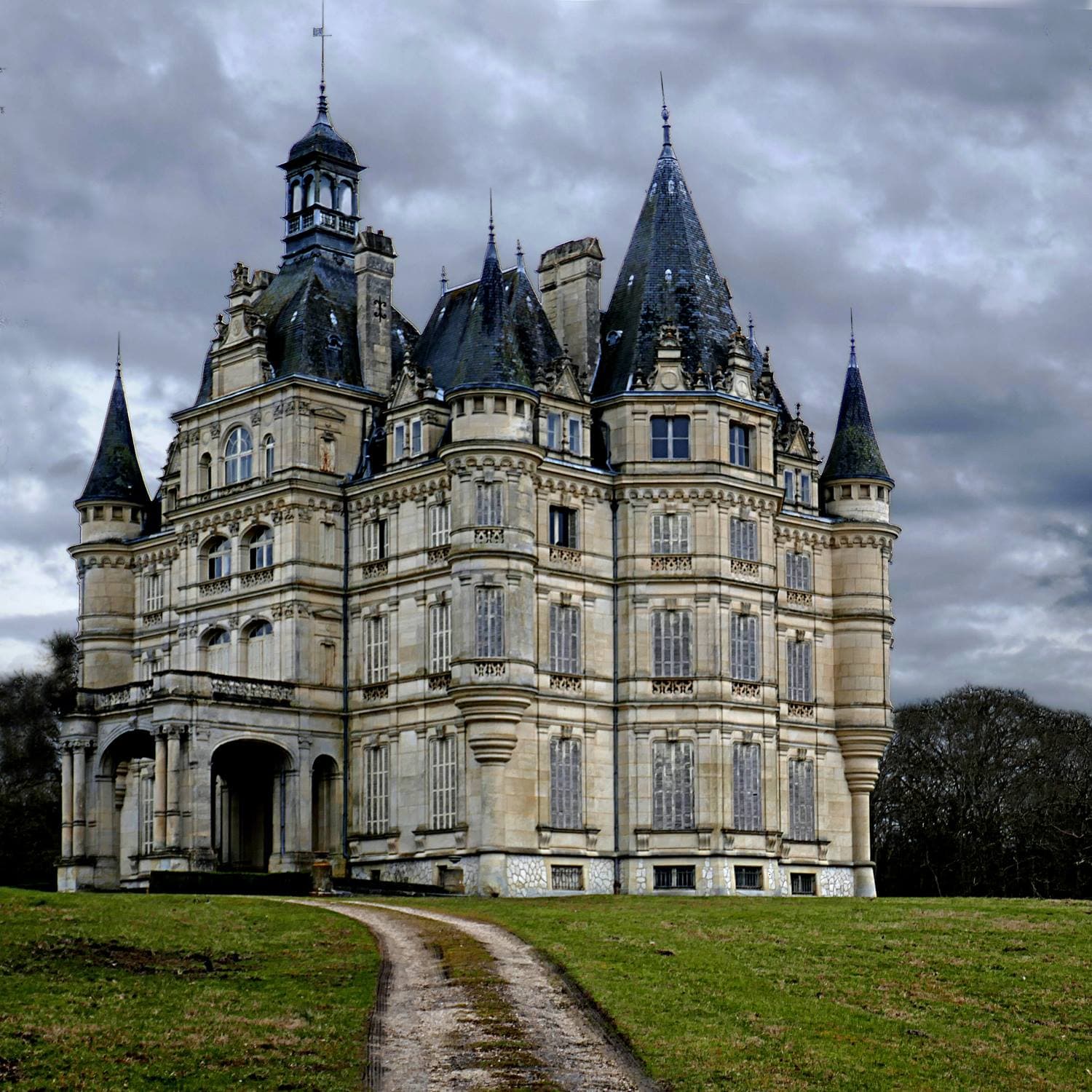
Which cities in France have the most abandoned places?
The cities in France with the most abandoned places are Paris, Marseille, Lille, Saint-Étienne, Lyon, Le Havre, Rouen, Bordeaux, Strasbourg, and Toulouse. This ranking is an estimate rather than an official census, but these cities consistently stand out because of industrial legacy, transport infrastructure, military stock, hospital closures, and redevelopment lag.
Quick summary
- Paris ranks first because the capital region combines sheer size, constant property turnover, empty institutional buildings, rail assets, and suburban brownfields.
- Marseille and Lille remain very strong because port, industrial, logistics, and working-class building stock generate large abandoned clusters.
- Saint-Étienne ranks unusually high for its size because former mining and metalworking infrastructure created a dense legacy of obsolete sites.
- Lyon, Le Havre, and Rouen are sustained by river or port logistics, hospital closures, and older industrial corridors.
- Bordeaux, Strasbourg, and Toulouse still place in the top 10, but faster redevelopment usually reduces the lifespan of abandoned sites.
- These numbers are estimates only. Conditions change quickly, and responsible urbex always requires permission, caution, and respect for preservation.
Quick facts
- Country: France
- Intent of this ranking: comparative estimate, not an official inventory
- Scope: city proper plus immediate urban fringe where the same urban fabric continues
- Main abandoned categories: factories, warehouses, hospitals, offices, schools, hotels, barracks, rail buildings, villas
- Main drivers: deindustrialization, logistics shifts, public asset turnover, demographic change, delayed redevelopment
- Safety reminder: never force entry, trespass, or rely on outdated site information
How was this France urbex ranking estimated?
This France urbex ranking was estimated by comparing city size, industrial history, density of obsolete building stock, redevelopment pace, and recurring documentation patterns in public sources. It is designed as a comparative guide, not as a legal inventory of every abandoned building still standing.
In practice, the strongest signals are old industrial belts, port infrastructure, former hospitals, rail and logistics buildings, military property, and large suburban estates in transition. Cities with many closures but very fast demolition can rank lower than cities with slower redevelopment.
For broader context, you can Browse all urbex maps or compare regional resources in Top 5 Best Urbex Maps in France in 2026. If you are focusing on the Paris basin or the north, the most relevant regional starting points are Île-de-France Urbex Map 2026 and Hauts-de-France Urbex Map 2026.
What is the top 10 ranking of French cities with the most abandoned places?
The most plausible top 10 ranking is Paris first, then Marseille, Lille, Saint-Étienne, Lyon, Le Havre, Rouen, Bordeaux, Strasbourg, and Toulouse. The estimates below reflect total abandoned stock within the city and its close urban fringe, not only famous ruins.
| Rank | City | Estimated abandoned places | Main reasons for the volume |
|---|---|---|---|
| 1 | Paris | 400-650 | Metro scale, institutional closures, rail assets, offices, suburban brownfields |
| 2 | Marseille | 220-350 | Port legacy, hotels, hospitals, military and industrial stock |
| 3 | Lille | 200-320 | Textile and logistics history, dense northern urban fabric |
| 4 | Saint-Étienne | 180-300 | Mining and metalworking legacy, high density for city size |
| 5 | Lyon | 170-280 | River industry, hospitals, logistics corridors, urban turnover |
| 6 | Le Havre | 150-240 | Port and maritime infrastructure, warehouses, industrial fringe |
| 7 | Rouen | 140-230 | Seine industry, depots, institutional and hospital buildings |
| 8 | Bordeaux | 130-210 | Warehouses, barracks, hotels, peri-urban turnover |
| 9 | Strasbourg | 120-190 | Military and administrative stock, Rhine logistics |
| 10 | Toulouse | 110-180 | Hospitals, hotels, schools, light industry, suburban transition |
These figures are estimates, not official counts. Active demolition, redevelopment, and security upgrades can change local totals quickly.
1. Paris
Paris has the largest estimated number of abandoned places in France because the capital region combines extreme urban scale with constant building turnover. The count is not driven only by dramatic ruins. It also includes disused institutional buildings, rail service structures, old offices, shuttered schools, former clinics, and peripheral brownfields.
The key factor is volume. Even when redevelopment is fast, the Paris area continuously produces vacant stock. That is why Paris remains first in most reasonable estimates. For regional context, see the Île-de-France Urbex Map 2026.
2. Marseille
Marseille ranks second because it accumulates many types of abandoned places at once: port buildings, warehouses, hotels, medical sites, military remnants, and neglected residential properties. Its fragmented geography also creates multiple pockets of vacancy rather than a single cluster.
The city's maritime and industrial past still shapes the landscape. Some districts redevelop quickly, but the wider urban area keeps a high volume of disused structures in circulation. That mix makes Marseille one of the strongest urbex cities in France by raw count.
3. Lille
Lille ranks very high because northern France still carries a dense industrial and logistics legacy. Former textile sites, depots, worker housing, commercial buildings, and warehouse belts create a wide field of abandoned stock across the city and its close urban fabric.
Lille also benefits from regional continuity. The surrounding northern corridor reinforces the number of obsolete sites, which is why the city stays near the top in most urbex France rankings. For the regional picture, start with the Hauts-de-France Urbex Map 2026.
4. Saint-Étienne
Saint-Étienne is the surprise entry for many readers, but its position is logical. The city has a smaller population than Paris, Marseille, or Lyon, yet it inherited a very dense stock of former mining, metalworking, educational, and civic properties.
That history creates one of the highest abandoned-place densities in France. In absolute terms it stays below the biggest metros, but its concentration is unusually strong for its size. This is why Saint-Étienne belongs in any serious discussion of the best urbex spots in France.
5. Lyon
Lyon ranks fifth because its industrial river corridors, older hospitals, logistics areas, and commercial turnover continue to generate abandoned stock. The core city and inner suburbs matter equally here, especially where former manufacturing and transport functions overlapped.
Lyon's main difference from older industrial cities is redevelopment speed. Many sites disappear faster than in the north, which limits the total count. Even so, the metro area is large enough to keep Lyon firmly in the national top tier.
6. Le Havre
Le Havre ranks sixth because port cities naturally accumulate maritime, warehouse, and industrial vacancies. Old logistics assets, service buildings, and fringe industrial structures make the city one of the strongest abandoned-place concentrations on the French coast.
Its inventory changes often because port economies evolve quickly. Some sites are cleared, secured, or repurposed, but the turnover itself keeps feeding the abandoned stock. In raw urbex volume, Le Havre remains stronger than many larger inland cities.
7. Rouen
Rouen places seventh because the Seine corridor has long concentrated industry, storage, transport, and public infrastructure. That leaves a varied abandoned landscape of depots, mills, offices, institutional buildings, and former medical sites.
Rouen also benefits from metropolitan continuity with the wider Normandy axis. The city does not have Paris-level totals, but it consistently shows a deep and mixed stock of disused properties. That makes it one of the most credible top-10 entries in France.
8. Bordeaux
Bordeaux ranks eighth because it still retains a meaningful layer of obsolete warehouses, barracks, hotels, peripheral clinics, and peri-urban buildings in transition. The city is wealthier and more redeveloped than many industrial centers, but that does not eliminate abandonment entirely.
What lowers Bordeaux in the ranking is site lifespan. Premium real estate and urban renewal often absorb vacant buildings quickly. The city still qualifies for the top 10, but its total is usually below northern industrial cities and port-heavy metros.
9. Strasbourg
Strasbourg ranks ninth because military, administrative, and logistics functions have left a noticeable stock of underused and abandoned buildings. Rhine-side infrastructure and institutional turnover remain important drivers in the local landscape.
The city is often better maintained than older heavy-industry centers, which reduces the number of long-decayed ruins. Even so, the combination of border logistics, public property, and industrial fringe is enough to keep Strasbourg in the national top 10.
10. Toulouse
Toulouse completes the top 10 because large, fast-growing metros still generate abandoned stock through hospital changes, hotel closures, old schools, office turnover, and light-industrial transitions. It is not the classic image of a ruin-heavy city, but the numbers remain significant.
Toulouse ranks lower because many vacant buildings are temporary rather than long-abandoned. Redevelopment pressure is high. Still, in a national comparison, the city usually retains enough obsolete stock to enter the top 10 by estimated count.
Access the free urbex map
Why do some French cities accumulate more abandoned places than others?
French cities accumulate more abandoned places when three factors overlap: old industrial or military stock, slower redevelopment, and large urban scale. When those conditions combine, closures produce more long-lived vacant buildings than the local market can absorb quickly.
Industrial decline is the clearest driver. Textile, mining, port, and manufacturing cities inherited factories, depots, schools, worker housing, and service buildings that no longer fit current economic use. Public-sector restructuring adds hospitals, offices, and barracks to that stock.
Scale also matters. A city like Paris produces more vacancies simply because it contains far more institutions, rail assets, and building turnover than a smaller metro. By contrast, a city like Saint-Étienne ranks highly because its density of obsolete stock is extreme relative to its size.
Where are the biggest urbex clusters in France today?
The biggest urbex clusters in France today are in Île-de-France, the former industrial north, the Rhône corridor, and major port cities. These areas combine the highest concentration of obsolete building stock with the broadest range of abandoned typologies.
For region-first research, start with Browse all urbex maps. If you want a comparison of mapping resources, read Top 5 Best Urbex Maps in France in 2026. For the most active northern and Paris-area coverage, the best entry points are Hauts-de-France Urbex Map 2026 and Île-de-France Urbex Map 2026.
MapUrbex takes a preservation-first approach. That means verified location curation, less noise, and a stronger focus on status, context, and responsible discovery rather than reckless access culture.
How should you explore abandoned places in France responsibly?
You should explore abandoned places in France responsibly by using public viewpoints or explicit permission, never forcing entry, and never treating an online list as proof that a site is safe or legal to access. Responsible urbex protects both people and places.
A useful rule is simple: no trespassing, no damage, no theft, no disclosure that increases vandalism risk. Many abandoned buildings contain unstable floors, asbestos, sharp metal, contaminated water, or active security systems.
This is also why curated and verified mapping matters. A preservation-first database is more useful than random coordinates because it helps filter outdated, demolished, or highly sensitive sites.
FAQ
Are these numbers official?
No. France does not publish a unified official count of abandoned places by city. These figures are comparative estimates based on urban history, built stock, redevelopment pace, and recurring documentation patterns. They are best read as ranking ranges, not exact totals.
Why is Paris first even though redevelopment is fast?
Paris is first because the metropolitan building stock is enormous. Fast redevelopment removes many vacant sites, but the region also produces new vacancies constantly through institutional change, rail turnover, office churn, and suburban redevelopment cycles. The total volume stays higher than elsewhere.
Can a smaller industrial city have a higher density of abandoned places than a bigger city?
Yes. Saint-Étienne is a good example. A smaller city can rank very high when former mining or manufacturing left a dense legacy of obsolete buildings. Density and raw total are not the same metric.
Which French regions are best known for urbex?
Île-de-France, Hauts-de-France, Normandy's river and port corridor, and the Lyon-Saint-Étienne axis are among the best-known areas. They combine industrial heritage, large public building stock, and urban transition. Regional coverage also changes quickly as sites are demolished or secured.
Can every place in this ranking be visited?
No. A high city ranking does not mean that listed sites are open, safe, or legal to enter. Many are sealed, monitored, under redevelopment, or dangerous. Always prioritize permission, public viewpoints, and current verification.
Conclusion
The top 10 French cities with the most abandoned places are led by Paris, Marseille, and Lille, with Saint-Étienne standing out for density relative to its size. The broad pattern is consistent: the highest totals appear where industrial, institutional, transport, and military legacies overlap with slower reuse.
For practical urbex research, raw numbers matter less than verified status and responsible planning. Use curated resources, expect rapid change, and avoid illegal or unsafe entry.
Access the free urbex map
