 MapUrbex
Learn how to sell your urbex photos as NFTs with a clear, responsible workflow covering copyright, pricing, marketplaces, licensing, and crypto art strategy.
How to Sell Your Urbex Photos as NFTs: A Practical Guide for Photographers
Selling urbex photography as crypto art is possible, but it works best when you treat it like a photography business rather than a quick trend. Buyers usually pay for authorship, provenance, scarcity, and the story behind a series.
For photographers, the key question is not only how to mint an NFT photo. It is how to present urbex photos in a way that is legally clear, ethically responsible, and attractive to collectors.
MapUrbex takes a preservation-first approach. Responsible access, verified information, and careful location handling matter just as much as artistic output.
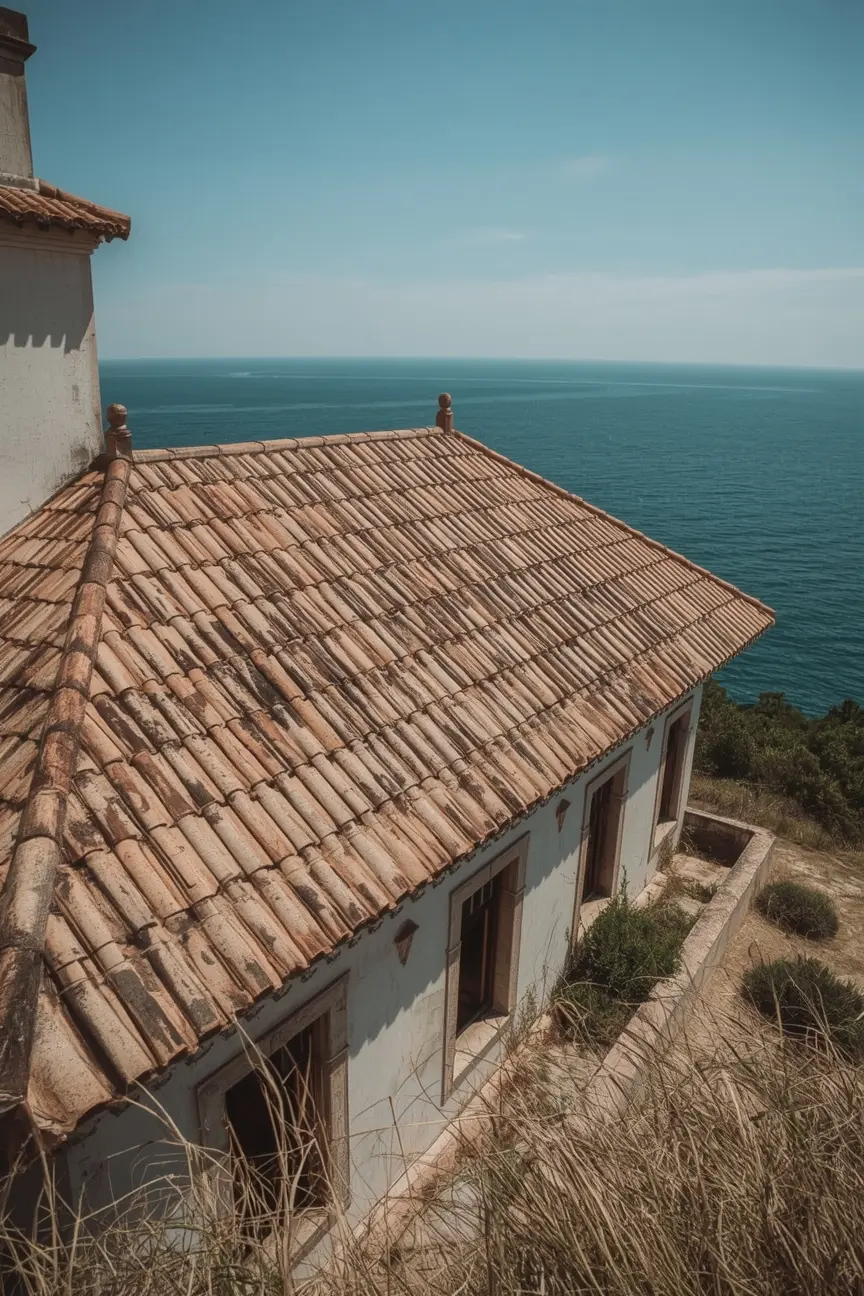
Can you sell your urbex photos as NFTs?
Yes, you can sell your urbex photos as NFTs if you own the copyright to the images and comply with local law and marketplace rules. In practice, an NFT can package provenance, scarcity, and a collecting narrative around urbex photos, but it does not automatically transfer copyright, and it does not solve issues linked to unsafe access, trespassing, or missing permissions.
Quick summary
- An NFT is best understood as a blockchain-based certificate linked to a photo or photo series.
- Selling an NFT photo does not automatically transfer copyright unless your license says so.
- Strong urbex NFT projects usually rely on coherent series, clear editions, and good storytelling.
- Pricing should reflect audience, rarity, edition size, and your track record, not hype alone.
- Legal and ethical checks matter: access legality, privacy, trademarks, and location sensitivity.
- Responsible planning helps you protect places, yourself, and the long-term value of your work.
Quick facts
- Best fit: curated photo series, limited editions, collector-focused work
- Less suitable: random single uploads without context or licensing clarity
- Core assets: high-resolution master file, web display file, metadata, artist statement
- Main decision: blockchain, marketplace, edition size, and buyer rights
- Key risk: confusing token ownership with image copyright
- MapUrbex angle: verified locations, responsible urbex, preservation-first research
What does an NFT photo actually sell?
An NFT photo usually sells a tokenized collectible linked to your image, not the copyright itself. Unless you state otherwise, the buyer typically owns the token while you keep the copyright.
That distinction matters because collectors and photographers often mean different things by “ownership.” A collector may own the NFT, but reproduction rights, commercial use, prints, or exclusivity depend on your written terms.
| Element | Usually included in the NFT sale? | Why it matters |
|---|---|---|
| Token ownership | Yes | The buyer owns the blockchain token |
| Copyright | Usually no | You keep it unless you assign it explicitly |
| Personal display rights | Often yes | Many creators allow display in wallets or galleries |
| Commercial use rights | Usually no | Must be written clearly if allowed |
| Physical print | Optional | Only included if your listing says so |
| High-resolution download | Optional | Define file delivery before minting |
A simple rule helps: write a short license for every NFT photo collection. If you do not define rights, buyers may assume too much or too little.
How should you prepare urbex photos for the crypto art market?
You should prepare urbex photos for the crypto art market as a structured collection, not as isolated files. Collectors respond better to coherent editing, strong metadata, and a clear artistic thesis.
Start with a tight selection. A set of 8 to 20 images with a consistent visual language usually works better than uploading everything you shot. Urbex photography benefits from narrative themes such as decay, memory, industrial silence, coastal abandonment, or post-tourist architecture.
Then prepare the project package:
- Select final files with consistent color and contrast.
- Export a master archive file and a display version.
- Write titles, dates, region-level context, and artistic notes.
- Decide whether exact locations will remain private for preservation reasons.
- Add edition rules: 1/1, limited edition, or open edition.
- Define what the buyer receives beyond the token.
In crypto art, story supports value. Explain why the place mattered, what visual method you used, and how the series fits your body of work. Do not publish sensitive entry details or information that could expose a location to vandalism.
Which blockchain and marketplace should photographers choose?
Photographers should choose a blockchain and marketplace based on audience, fees, ease of use, and collector culture. The best choice is usually the one that matches your price range and helps buyers understand your work.
Ethereum remains the most established ecosystem for high-end NFT photography, but fees can be higher. Tezos is often appreciated for lower costs and a strong experimental art community. Polygon can reduce transaction costs and may suit entry-level testing.
When comparing platforms, ask practical questions:
- Does the marketplace support photography well?
- Can you set clear royalties and licensing notes?
- Is the collector base active for photo-led work?
- Are file hosting and metadata easy to manage?
- Does the platform let you present series cleanly?
If you are starting out, test one small collection first. A clear launch with good writing often performs better than minting dozens of files at once.
How can you price urbex NFT photography realistically?
You can price urbex NFT photography realistically by combining artistic quality, scarcity, collector trust, and your existing audience. Pricing based only on online hype usually fails.
A practical method is to use three tiers:
- Entry tier: affordable limited editions for discovery.
- Core tier: stronger pieces from a polished series.
- Signature tier: rare 1/1 works with your strongest concept and presentation.
Also consider these factors:
- your past print or digital sales
- edition size
- uniqueness of the location and image
- post-processing complexity
- included rights or extras
- demand from collectors who already follow your work
Do not underprice just because the market is crowded. But do not assume every abandoned-place image deserves premium pricing. In NFT photography, curation is often more valuable than volume.
What legal and ethical issues matter most when you monetize urbex through NFTs?
The most important legal and ethical issues are copyright, lawful access, privacy, and location protection. A strong sale can still become a weak project if the underlying capture or disclosure was irresponsible.
Keep these points in mind:
- You must own the copyright to mint and sell the image.
- Illegal access can create legal exposure even if you took the photo yourself.
- Identifiable people may require consent depending on local law.
- Logos, artworks, and protected designs can raise additional rights issues.
- Publishing exact site information can increase the risk of theft or vandalism.
This is especially important in urbex. The photograph may be artistically valid while the disclosure around it may still be harmful. Preservation-first practice means protecting fragile places and never encouraging forced entry, trespassing, or damage.
How can MapUrbex help you build a responsible urbex photo project?
MapUrbex can help by making the planning stage more reliable and more responsible. Better preparation usually leads to better photography, safer fieldwork, and stronger long-term portfolios.
Use curated research before any shoot, and keep location secrecy in mind when publishing work. If you are building a series, start with verified planning tools and clear safety habits.
You can explore planning resources here:
Frequently asked questions
Do you keep copyright when you sell an NFT photo?
Usually yes. In most cases, selling an NFT does not transfer copyright unless you explicitly assign it in the sale terms.
Do you need the property owner's permission to sell an urbex photo as an NFT?
Not always for copyright, but local law, access conditions, trademarks, privacy, and commercial-use restrictions can still matter. If access was unlawful, the project may carry legal risk.
Should you reveal the exact location in the NFT description?
Usually no. For preservation and safety reasons, it is often better to keep the description general and avoid giving entry details or pinpoint coordinates.
Which file should the buyer receive?
State this clearly before minting. Many photographers provide a web display file by default and reserve the high-resolution master or print rights for specific editions.
Are NFTs a reliable way to monetize urbex?
They can be one revenue stream, but they are rarely reliable on their own. For most photographers, NFTs work best alongside prints, licensing, commissions, and a strong portfolio brand.
Conclusion
Selling your urbex photos as NFTs can work when the project is artistically coherent, legally clear, and ethically handled. The token is only one part of the offer. The real value usually comes from authorship, curation, storytelling, and collector trust.
For urbex photographers, the strongest approach is simple: protect locations, define rights clearly, and release fewer but better works.
Plan better shoots before you publish
Good crypto art starts with good source material. MapUrbex helps you research responsibly and build stronger photo projects from the field up.
Access the free urbex map
