 MapUrbex
Learn how to find abandoned places near you using maps, archives, local research, and careful verification, without guessing or taking legal risks.
How to Find Abandoned Places Near Me: Safe and Legal Methods
If you want to find abandoned places near me, the fastest answer is simple: use public research, then verify the site before you ever think about visiting. Good urbex research is not luck. It is a method.
Most people waste time on rumors, outdated coordinates, or social media posts with no context. A better approach is to combine local history, map research, closure records, and responsible on-the-ground observation from public space.
MapUrbex follows a preservation-first approach. That means verified locations, curated maps, and clear reminders about legality, safety, and respect for sites.
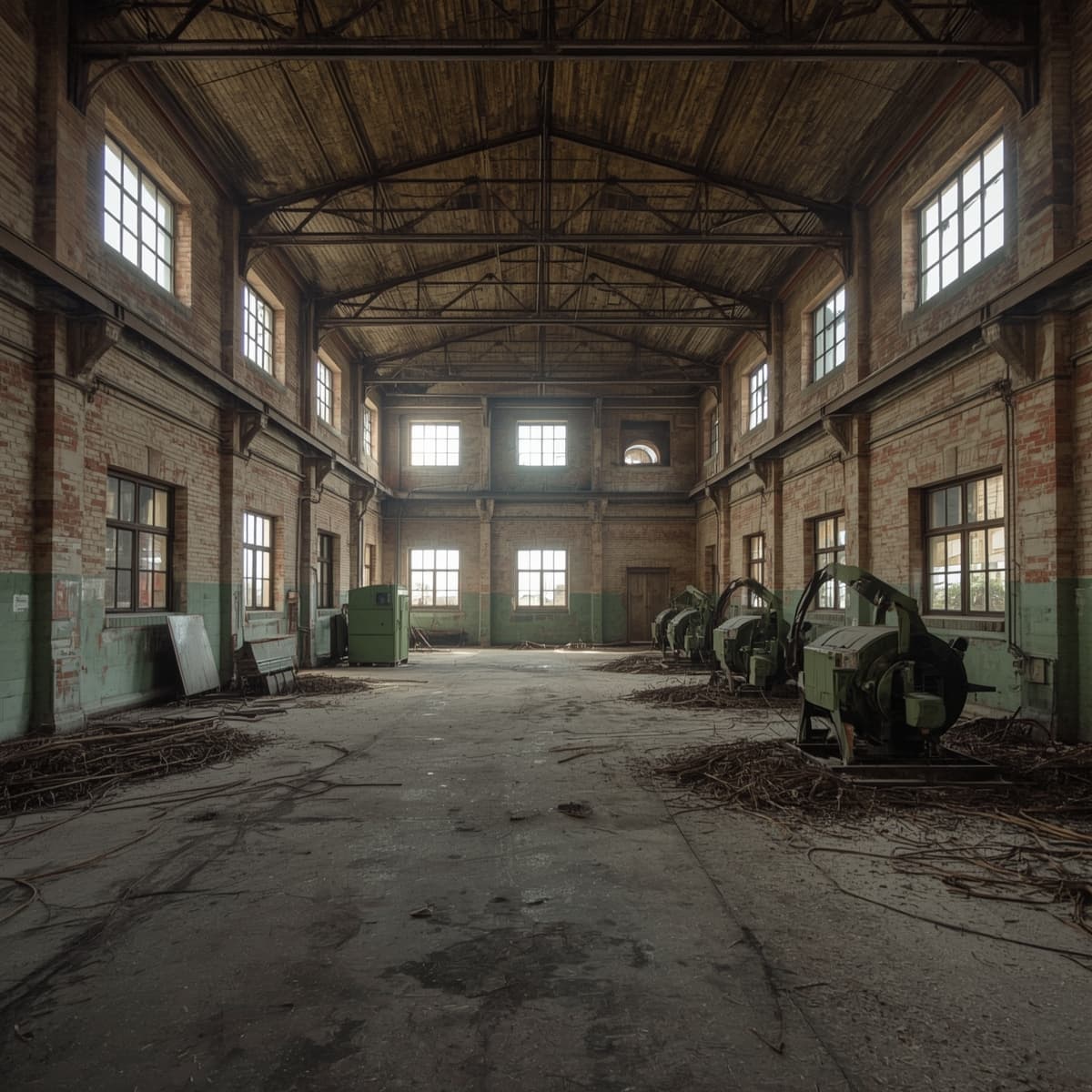
How can I find abandoned places near me?
Start with legal, public information: old maps, planning documents, business closure notices, historical archives, satellite imagery, and curated urbex maps. Then verify whether the site is truly abandoned, whether access is lawful, and whether the structure appears safe. The best process is research first, then observation from public space only.
Quick summary
- Use several sources together, not one source alone.
- Confirm that a place is actually abandoned before adding it to your list.
- Check ownership, local rules, and obvious safety hazards.
- Avoid forced entry, trespassing, and sharing fragile sites carelessly.
- Curated urbex maps save time because they reduce false leads.
- Responsible urbex starts with preservation, not access.
What quick facts should you know before searching?
The most useful rule is this: a building that looks empty is not automatically abandoned. Many places are vacant, monitored, under redevelopment, or privately protected.
| Research source | Why it helps | What you still need to verify |
|---|---|---|
| Historical maps | Shows older industrial or railway sites | Whether the site still exists |
| Satellite imagery | Reveals roof damage, overgrowth, access roads | Current condition and legal status |
| Local news archives | Confirms closure, fire, sale, or demolition plans | Whether the article is still current |
| Business directories | Shows whether a company still operates | If activity moved elsewhere |
| Street-level observation | Confirms real-world signs of vacancy | Whether entry is legal or safe |
| Curated urbex maps | Speeds up discovery and filtering | Site rules, updates, and access limits |
Which research sources work best for finding abandoned places?
The best sources are the ones that can be cross-checked. A single TikTok clip or an old forum post is rarely enough.
Start with four categories:
- Historic context: old industrial districts, railway corridors, military zones, mining areas, and shrinking commercial areas.
- Administrative clues: planning notices, redevelopment proposals, insolvency announcements, and closure records.
- Visual confirmation: satellite imagery, public street views where available, and legal roadside observation.
- Curated mapping: a maintained database is usually more reliable than random coordinates.
If you want a structured starting point, Browse all urbex maps and compare areas by type. For deeper research methods, see How to Find Secret Urbex Places: Real Methods Explained and How to Find Secret Urbex Locations: Real Methods That Work.
How do you search locally without wasting time?
The fastest local workflow is to narrow your search to likely zones, then verify each candidate one by one. Random searching rarely works well.
A practical sequence looks like this:
- Check older industrial belts, warehouses, mills, depots, hospitals, hotels, and transport infrastructure.
- Compare current satellite imagery with older map layers when available.
- Search local news for words such as closure, liquidation, fire, redevelopment, demolition, or contamination.
- Look for repeated signs of vacancy: broken roof sections, sealed windows, weed growth, empty parking areas, and missing maintenance.
- Build a shortlist instead of chasing one location at a time.
- Verify from public space only before deciding whether the site is active, restricted, or unsafe.
This is also why people search for terms such as abandoned places around me, urbex spot near me, and abandoned places map. The real need is not just discovery. It is reliable filtering.
How do you verify that a place is truly abandoned?
You verify a site by checking for multiple independent signals of long-term inactivity. One sign alone is never enough.
Useful indicators include:
- No active business registration or current public-facing activity
- Long-term boarded windows with visible decay behind them
- Overgrowth across entrances, loading bays, or tracks
- Collapsed roofing or obvious weather exposure
- Utility disconnection signs or full removal of equipment
- Confirmed closure in local reporting or planning documents
Signs that a place may not be abandoned:
- Fresh security fencing or recent construction materials
- Operational vehicles, lights, cameras, or recent deliveries
- Temporary vacancy during renovation
- Seasonal or low-visibility industrial use
- Active ownership notices or monitored gates
A good rule is simple: if the status is unclear, treat it as active or restricted until proven otherwise.
What legal and safety checks matter before any visit?
The essential checks are ownership, access rights, site condition, and emergency risk. If any of those are unclear, do not proceed.
Before any visit, confirm the following:
- Whether the location is private property
- Whether entry requires permission
- Whether the site is part of an active redevelopment project
- Whether there are hazards such as unstable floors, open shafts, asbestos, water damage, or exposed wiring
- Whether local law treats entry, photography, or drone use differently
Responsible urbex never means forced entry, breaking locks, bypassing fences, or damaging a site. Preservation comes before content.
For a city-specific example of responsible planning, read Urbex London Guide: How to Explore Abandoned Places in London Responsibly.
Why is a curated urbex map often the fastest option?
A curated urbex map is usually the fastest option because it reduces false leads and helps you focus on locations that have already been researched. That saves time and lowers the chance of confusing an active site with an abandoned one.
MapUrbex is built around verified locations, responsible discovery, and preservation-first mapping. Instead of scrolling through scattered posts, you can compare places by area and type.
You can Access the free urbex map for a starting point, or Browse all urbex maps to expand your search.
FAQ
What is the safest way to look for abandoned places near me?
The safest method is desk research first, then visual confirmation from public space only. Do not assume a place is safe because it appears empty online.
Can I rely on Google Maps alone to find abandoned places?
No. Google Maps can help identify industrial footprints, rail corridors, or isolated structures, but it does not confirm abandonment, ownership, or legal access.
Are all boarded-up buildings abandoned?
No. Some boarded buildings are under renovation, under security watch, or awaiting sale. Boarding is only one clue, not proof.
Should I share exact abandoned locations publicly?
Usually, no. Publicly sharing fragile locations can increase vandalism, theft, and unsafe copycat visits. Responsible urbex favors discretion.
What gear matters most if I am researching a possible site?
For research, the most useful tools are maps, archives, notes, offline navigation, and a charged phone. If a site is legally accessible, basic safety planning matters more than flashy gear.
Conclusion
If you want to find abandoned places near you, the most reliable method is a repeatable one: research first, verify second, and never confuse curiosity with permission. The strongest results come from combining maps, local archives, closure data, and careful public-space observation.
Responsible urbex is not about getting inside at any cost. It is about understanding place, history, legality, and preservation. That is why curated tools are often the smartest starting point.
Access the free urbex map
