 MapUrbex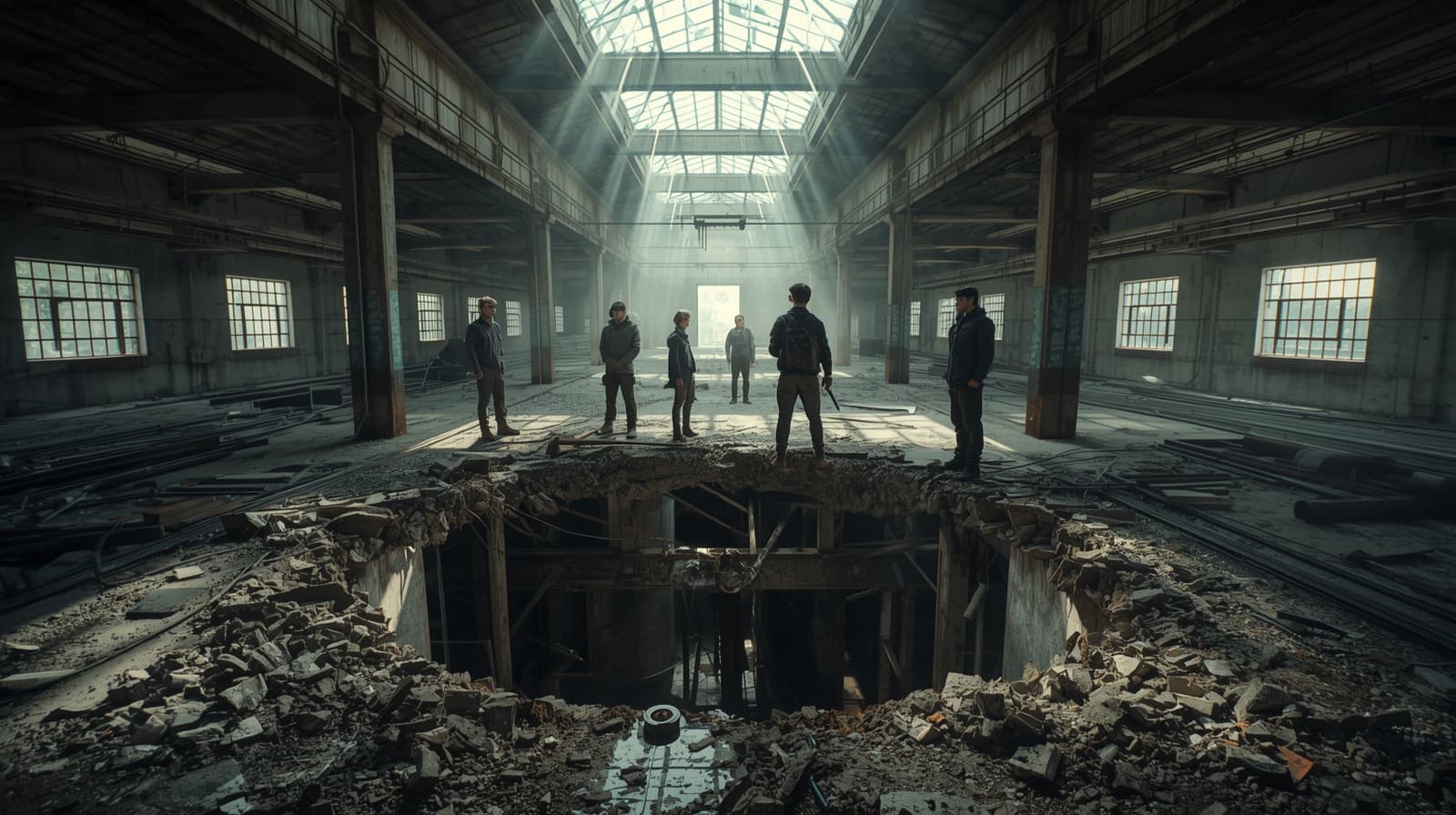
Urban exploration, also known as *urbex*, can be dangerous. The risks include collapsing floors, asbestos exposure, injuries, legal consequences for trespassing, and psychological stress. Yet, with basic safety rules and experience, most explorations happen without major incidents.
The Main Dangers of Urbex
Physical Risks
- Falls and collapses: unstable floors, staircases, and roofs.
- Exposure to asbestos and chemicals: especially in hospitals and factories.
- Sharp objects and rust: leading to infections.
👉 According to the French INRS (Occupational Safety Institute), around 30% of accidents in abandoned buildings are caused by falls from height.
Health Risks
- Mold, toxic dust, and poor ventilation.
- Risk of respiratory issues or infections.
Legal Risks
In many countries, entering abandoned places without permission is trespassing.
- In France, Article 226-4 of the Penal Code punishes intrusion with up to 1 year in prison and a €15,000 fine.
- Similar laws exist in the UK and US (trespassing laws vary by state).
Human Risks
- Encounters with squatters, guards, or police.
- Risk of theft or assault in isolated areas.
My Experience After 1000+ Explorations
Having explored hundreds of abandoned places across Europe and beyond, I can confirm that:
- In most cases, the real danger is psychological (darkness, noises, fear).
- Serious accidents are rare if 3 rules are respected:
- Check the floor before stepping.
- Never explore alone.
- Always keep an exit plan.
💡 Example from my experience: “During an exploration in Spain, a ceiling collapsed just two meters away from us. Since then, I always look up, listen to cracks, and move cautiously.”
How to Reduce the Risks of Urban Exploration
- Bring a strong flashlight, gloves, sturdy shoes, and an FFP2/N95 mask.
- Never go alone.
- Tell a friend or family member before exploring.
- Start with known urbex spots rather than unstable ruins.
Is Urbex Always Illegal?
Not always. Some places are legally accessible:
- Ghost towns open to the public.
- Industrial sites converted into museums.
- Officially organized tours of old bunkers or factories.
But in most cases, entering without permission remains trespassing.
🗺️ Explore our free urbex mapUrbex Safety FAQ
Can you die doing urbex?
→ Rare, but yes. In 2017, a man in Belgium died after falling into a hidden shaft while exploring.
Is urbex more dangerous than mountaineering?
→ No. According to the French Mountaineering Federation (FFME), mountaineering has a higher fatality rate (≈5 deaths per 100,000 people/year).
What’s the minimum age for urbex?
→ There’s no global law, but under 18 you remain under parental responsibility.
Conclusion
Urban exploration is a thrilling but risky activity. The dangers are real: collapsing floors, asbestos, fines. But with proper equipment, common sense, and teamwork, urbex becomes a safe and unforgettable adventure.
📧 En savoir plus..