 MapUrbex
A practical guide to abandoned swimming pools for urbex architecture and photography, with legal, safety, and research tips from MapUrbex.
Abandoned Swimming Pools: Urbex Architecture and Photography Guide
Abandoned swimming pools are some of the clearest visual symbols of urban decline. Their empty basins, cracked tiles, diving structures, and stained concrete create scenes that are both architectural and deeply photographic.
For urbex, they also offer a useful lesson in reading a site. A pool can reveal former public life, maintenance history, design trends, and the speed of abandonment in a single frame.
This guide explains why abandoned swimming pools matter, how to photograph them responsibly, and how MapUrbex helps you research verified locations without relying on guesswork.
Why do abandoned swimming pools attract urbex explorers and photographers?
Abandoned swimming pools attract urbex explorers because they combine strong geometry, visible decay, and social history in one compact setting. For photography, the empty basin, repeating tiles, drained reflections, and damaged textures create clear compositions. They are visually powerful, but they still require legal access, careful distance from hazards, and a preservation-first mindset.
Quick summary
- Abandoned swimming pools are strong urbex subjects because they combine architecture, decay, and graphic lines.
- Common site types include municipal pools, hotel pools, school facilities, spas, and private estates.
- The best images usually focus on shape, scale, light, texture, and traces of former use.
- Legal status varies widely, so visible abandonment never means automatic permission to enter.
- Empty pools can hide unstable floors, water damage, mold, sharp debris, and sealed access points.
- MapUrbex is built for responsible research, with curated maps and a preservation-first approach.
What should you know at a glance?
| Aspect | Why it matters | Responsible note |
|---|---|---|
| Architecture | Pools show symmetry, circulation, and material aging clearly | Observe from lawful, safe positions |
| Photography | Tiles, ladders, boards, and basins create clean focal points | Avoid moving objects or staging decay |
| Access | Many sites are fenced, sealed, or under reuse review | Never force entry or bypass barriers |
| Safety | Wet surfaces, voids, rust, glass, and unstable edges are common | Leave if conditions are uncertain |
| Research | Site status can change quickly | Check updated map data before planning |
Why are abandoned swimming pools distinctive subjects in urbex architecture?
Abandoned swimming pools stand out because their original purpose is instantly readable. Even after years of neglect, the basin, lane markings, filtration rooms, spectator zones, or diving towers remain legible.
That clarity makes them useful for architectural observation. In a single location, you can often study circulation, materials, drainage logic, public design standards, and later signs of structural failure.
They also vary more than many people expect. A former Olympic-style municipal pool tells a different story than a resort pool, school pool, spa complex, or private villa basin. Each type carries different scale, decoration, and maintenance patterns.
For urbex architecture, common features include:
- ceramic tiles and color bands
- stair geometry and handrails
- changing rooms and service corridors
- skylights or open-air enclosures
- pump rooms and technical annexes
- signage, safety markings, and faded rules
These details matter because they help place the site in a social and architectural timeline. They also make abandoned swimming pools especially quotable visual records of how leisure infrastructure ages.
How can you photograph abandoned swimming pools effectively and responsibly?
The best approach is simple: photograph what is already there, use natural lines, and do not alter the scene.
Empty pools work well because they offer built-in composition. The basin can act as a frame, the tile grid can guide the eye, and elevated platforms often create strong top-down views. Wide shots usually establish scale, while medium shots capture textures and traces of use such as lane ropes, drains, or old warning signs.
A few practical methods help consistently:
- Start with a wide establishing frame to show the full basin.
- Look for symmetry, especially from the centerline.
- Use side light to reveal cracked paint, chipped tile, and surface relief.
- Include a fixed architectural element such as a ladder, diving board, or skylight.
- Photograph transitions between wet and dry, bright and dark, open and enclosed.
Responsible urbex photography also means leaving the site unchanged. Do not drag furniture, break boards, move debris, or create fake scenes. Images are stronger when they document reality rather than perform decay.
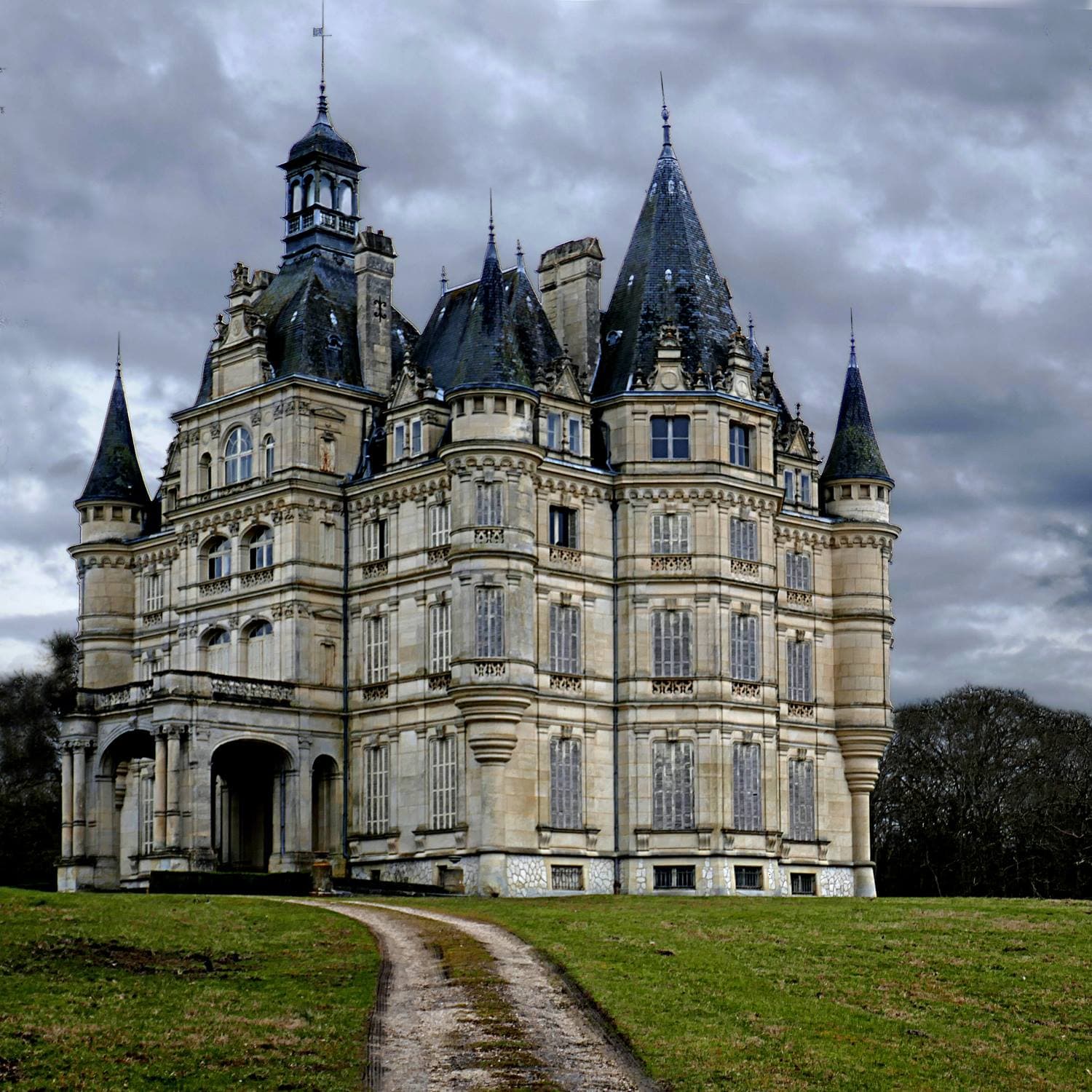
If you mainly enjoy photographing different types of abandoned places, related reading can help broaden your visual approach. MapUrbex also covers large heritage sites in Urbex Castles and Abandoned Manors: 12 Places Worth Visiting Responsibly.
What legal and safety checks matter before any urban exploration visit?
The most important rule is direct: abandonment is not permission.
A drained or ruined pool may still be private property, part of a redevelopment plan, under active surveillance, or legally sealed. Before any visit, confirm whether the place can be viewed lawfully, whether access is restricted, and whether the site has recently changed status.
Key checks include:
- property status and local access rules
- fencing, notices, gates, and sealed openings
- signs of demolition, asbestos work, or structural remediation
- weather conditions, especially after rain
- whether the site can be documented safely from public space instead
Pools also create specific hazards. Technical rooms may contain hidden drops. Tiles can be slippery even when dry. Empty basins can be harder to exit than expected. Standing water, rusted fixtures, mold, exposed rebar, and broken glass are common risks.
If any condition looks unstable, the right decision is to stop. Responsible exploration protects both people and places.
For an example of how quickly access can change, see Abandoned Places That Disappeared in 2025: Demolished, Reused, or Sealed.
How does MapUrbex help you research locations without guessing?
MapUrbex helps by focusing on verified locations, curated maps, and responsible urbex research rather than rumor-based searching.
That matters for abandoned swimming pools because these sites often change status quickly. A pool can be visible online for years and still be demolished, renovated, monitored, or fully sealed by the time a visitor arrives.
Instead of treating every abandoned place as a simple pin on a map, MapUrbex emphasizes:
- verified location data where available
- preservation-first guidance
- practical research before travel
- curation instead of random lists
- responsible planning over risky improvisation
If you want to continue researching site types and regions, start with Browse all urbex maps. For a no-cost entry point, the final call to action below opens the free map directly.
FAQ
Are abandoned swimming pools usually indoor or outdoor sites?
Both are common. Indoor pools often offer stronger light contrast, service spaces, and visible humidity damage. Outdoor pools tend to emphasize overgrowth, weathering, and wider compositions.
Why do empty pools photograph so well?
They photograph well because they simplify space. The basin creates a clear subject, the tile pattern adds rhythm, and the contrast between a place built for activity and its present stillness creates emotional weight.
Can you legally enter an abandoned swimming pool?
Not automatically. Legal access depends on property rights, local law, barriers, current ownership, and site status. If access is restricted, sealed, or unclear, do not enter.
What gear is most useful for photographing abandoned swimming pools?
A wide-angle lens, a standard zoom, stable footwear, gloves for general protection, and a small light source are often enough. Do not bring tools intended to bypass locks, barriers, or sealed access points.
Do abandoned swimming pools disappear faster than other abandoned places?
Many do. Pools are expensive to maintain, attractive for redevelopment, and often considered liability-heavy sites. That means demolition, reuse, and sealing can happen quickly.
What is the key takeaway?
Abandoned swimming pools are among the most readable subjects in urbex architecture and photography. They combine geometry, social history, and visible decay in ways that are easy to understand and easy to document.
They are also sites where responsible behavior matters. Legal status, structural risk, and fast-moving redevelopment can change everything.
MapUrbex is most useful when it helps you replace guesswork with verified research and preservation-first planning.
Access the free urbex map
