 MapUrbex
Discover 10 standout urbex spot types in Hauts-de-France, from abandoned mines to textile mills, with verified, safety-first research tips.
10 Urbex Spots in Hauts-de-France: Mines, Steelworks and Textile Mills
Hauts-de-France is one of the strongest regions in France for industrial urbex. Coal mining, steel production, textiles, rail infrastructure, and port logistics all left behind a dense landscape of abandoned sites.
That is why searches for urbex spots in Hauts-de-France keep growing. The challenge is not finding old lists. The challenge is finding places that are real, still standing, and worth documenting without promoting trespass or unsafe behavior.
MapUrbex focuses on verified locations, responsible exploration, and preservation-first research. This guide highlights 10 of the most interesting industrial spot categories in the region and explains how to identify reliable options.
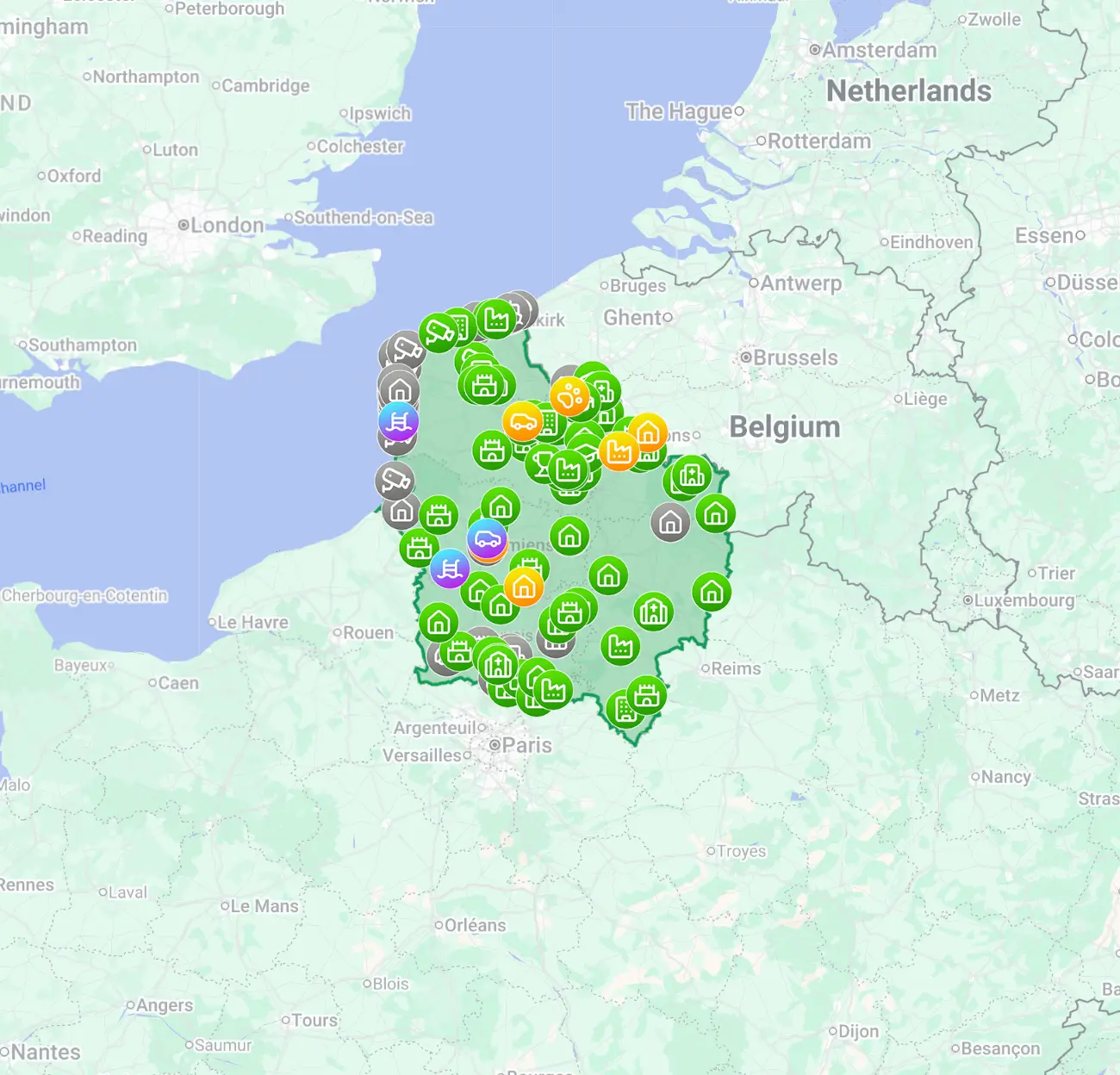
What are the best urbex spots in Hauts-de-France?
The best urbex spots in Hauts-de-France are usually former coal mine facilities, abandoned textile mills, steelworks brownfields, railway workshops, sugar factories, and port warehouses. The region stands out because its industrial history is dense, varied, and geographically concentrated, especially across Nord and Pas-de-Calais.
Quick summary
- Hauts-de-France is one of the best French regions for industrial urbex.
- The most sought-after sites are abandoned mines, textile mills, steelworks, rail depots, and factory wastelands.
- Nord and Pas-de-Calais dominate demand, but Aisne, Oise, and Somme also have strong options.
- Reliable research matters because many online urbex lists are outdated or fake.
- Responsible urbex means no forced entry, no damage, and no sharing of unsafe access details.
- Verified maps save time by filtering places that are closed, demolished, or heavily secured.
Quick facts
- Region: Hauts-de-France
- Best known for: Industrial heritage and abandoned production sites
- Core themes: Coal mining, steel, textiles, rail, sugar, logistics
- Main departments: Nord, Pas-de-Calais, Somme, Aisne, Oise
- Best use case: Building a realistic shortlist of verified industrial urbex spots
- Best next step: Browse all urbex maps
Which types of abandoned places define urbex in Hauts-de-France?
Hauts-de-France is defined by industrial abandonment more than by villas or hospitals. In practical terms, that means large production halls, pithead buildings, machine rooms, warehouses, chimneys, loading areas, and worker infrastructure linked to mining and manufacturing.
This matters because the region offers scale. Many abandoned places here were built for heavy industry, so they often have strong visual features: steel frames, long brick facades, weaving floors, conveyors, washery structures, or rail sidings. For photographers and history-focused explorers, that makes the region unusually rich.
The main downside is risk. Industrial ruins often involve unstable floors, asbestos, broken roofing, water infiltration, contamination, and active security. A good spot is not just visually impressive. It must also be assessed realistically.
Which 10 urbex spot categories are worth prioritizing?
The 10 most valuable urbex spot categories in Hauts-de-France are former mines, mining wastelands, textile mills, spinning factories, steelworks, metallurgical plants, railway workshops, sugar factories, port warehouses, and smaller ceramic or brick industrial sites.
1. Former coal mine surface buildings in the Lens-Liévin basin
This is the iconic industrial landscape of the region. Former pithead buildings, sorting areas, workshops, and support structures around the old mining belt are among the most searched urbex targets in northern France.
2. Mining wastelands near Hénin-Carvin and Béthune
These sites are often less monumental than preserved mine complexes, but they can still offer conveyors, concrete remains, utility buildings, and heavy industrial textures. Many are highly unstable, so current verification is essential.
3. Abandoned textile mills in Roubaix and Tourcoing
Roubaix and Tourcoing remain central to any serious list of abandoned places in Hauts-de-France. Former weaving mills, dye works, and warehouses represent the textile history that shaped the Nord department.
4. Former spinning and weaving factories around Fourmies
Fourmies has a deep textile identity. In urbex terms, the area is known for older industrial shells with brick architecture, repetitive window lines, and workshop volumes that differ from newer logistics sites.
5. Steelworks brownfields around Denain
Denain is one of the strongest references for abandoned steel and heavy industry in the region. These sites often have large halls, gantries, pipework, and remnants of high-capacity production systems.
6. Metallurgical and mechanical plants in the Valenciennes area
The Valenciennes basin adds variety beyond classic mining heritage. Former metalworking plants, assembly buildings, and industrial service sites create a broader urban exploration landscape.
7. Railway workshops around Longueau and Amiens
Rail-related abandonment is often overlooked in generic lists. Yet workshops, depots, repair sheds, and storage buildings around major rail corridors can be some of the most photogenic industrial ruins in Somme.
8. Abandoned sugar factories in Aisne and Oise
Sugar production left behind a different kind of industrial heritage: silos, refinery buildings, boiler spaces, and wide service yards. These sites are especially useful if you want something other than mines or textiles.
9. Port warehouses and logistics halls around Dunkirk
Dunkirk adds a maritime-industrial layer. The most interesting abandoned places here are often storage buildings, dockside structures, and older industrial logistics facilities rather than classic inland factories.
10. Brick, ceramics, and smaller industrial sites in secondary towns
Not every strong urbex spot in Hauts-de-France is huge. Smaller industrial ruins in secondary towns can offer intact facades, machinery remnants, and lower-profile heritage value that broad lists often miss.
Where are the strongest industrial urbex zones in Nord and Hauts-de-France?
The strongest zones are the old mining belt, the textile corridor, the Valenciennes-Denain industrial area, the Dunkirk port environment, and selected rail and agro-industrial clusters in Somme, Aisne, and Oise.
The table below helps compare them.
| Area | Typical site type | Why it stands out | What to verify first |
|---|---|---|---|
| Lens-Liévin, Béthune, former mining belt | Mine buildings, workshops, wastelands | Strong mining heritage, iconic structures | Demolition status, fencing, redevelopment |
| Roubaix-Tourcoing | Textile mills, warehouses | Dense textile history, photogenic brick architecture | Ownership, security, fire damage |
| Denain-Valenciennes | Steelworks, metal plants | Large-scale heavy industry remains | Structural stability, active surveillance |
| Longueau-Amiens | Rail workshops, depots | Distinct rail heritage and long interior volumes | Access restrictions, current rail activity nearby |
| Aisne and Oise | Sugar factories, agro-industry | Less repetitive, strong industrial forms | Partial reuse, contamination, private property |
| Dunkirk area | Port halls, logistics sites | Maritime-industrial atmosphere | Security, operational perimeter, restricted zones |
How can you find verified urbex spots in Hauts-de-France without wasting time?
The fastest method is to use a curated map with verification logic, then cross-check current status before any trip. That is more reliable than copying coordinates from random social posts or outdated forum threads.
A practical workflow is simple:
- Start with a verified regional map.
- Filter by industrial site type.
- Check whether the place is still standing.
- Confirm whether the site is visible, sealed, reused, or demolished.
- Plan only legal and low-risk documentation.
If you want to understand why so many lists fail, read Why Most Urbex Lists Are Fake, and How to Find Real Places. For broader search methodology, see Abandoned Places Near Me in 2026: How to Find Verified Urbex Spots Safely. For regional context, use Hauts-de-France Urbex Map: Where to Find Abandoned Places in Northern France.
Why is industrial heritage in Northern France so attractive for urbex?
Industrial heritage in Northern France attracts urban explorers because the region concentrates several major historical sectors in a relatively compact area. Coal, steel, textiles, transport, and logistics overlap here more than in most other French regions.
That concentration creates variety. In one region, you can compare mine structures, weaving floors, steel halls, depots, and refinery buildings. The result is not just more spots. It is a richer visual and historical range.
It also explains why local demand is so active. People are not only looking for abandoned places in Hauts-de-France. They are looking for specific industrial narratives.
What legal and safety rules matter before visiting abandoned places in Hauts-de-France?
The main rules are simple: do not trespass, do not force entry, do not damage property, and do not assume a ruin is safe because it looks quiet. Industrial sites can be hazardous even when they appear empty.
Important risks in this region include:
- unstable floors and staircases
- open shafts or pits in former mining areas
- rusted metal structures and roof collapse
- asbestos and industrial dust
- water infiltration and hidden voids
- active surveillance or private redevelopment
MapUrbex takes a preservation-first approach. Responsible urbex is based on legal awareness, verified research, and respect for the site.
FAQ
Are there real abandoned mines in Hauts-de-France?
Yes. Hauts-de-France has one of the strongest mining legacies in France. In practice, the most common surviving urbex targets are surface buildings, utility structures, workshops, and wastelands linked to former coal operations rather than accessible underground mines.
Is Nord the best department for textile urbex?
Nord is one of the best departments for textile urbex because Roubaix, Tourcoing, and nearby towns have a dense industrial textile history. That said, good textile-related ruins also exist outside the main urban corridor.
Are steelworks and metallurgical ruins common in the region?
Yes. Former steel and metalworking sites are a major part of the industrial identity of northern France, especially around Denain and Valenciennes. They are also among the most structurally risky categories.
Can beginners look for urbex spots in Hauts-de-France?
Beginners can research the region, but they should focus on verification and legality first. Large industrial ruins are visually appealing, yet they are often poor choices for inexperienced visitors because of instability and security issues.
What is the safest way to build a shortlist of real places?
The safest method is to start from a curated database, remove demolished or reused sites, and avoid any place that would require trespass or risky entry. Verified mapping is more efficient than chasing viral coordinates.
Conclusion
If your goal is to find strong urbex spots in Hauts-de-France, industrial heritage should be your priority. Former mines, steelworks, textile mills, rail workshops, and agro-industrial factories define the region better than generic abandoned-place lists ever will.
The key difference is verification. A good list is not just impressive on paper. It reflects current reality, site status, and responsible research standards.
Access the free urbex map
