 MapUrbex
A practical guide to urbex in Strasbourg: where to find a reliable map, what kinds of abandoned buildings exist, and how their history explains them.
Urbex Strasbourg: Map of Abandoned Buildings and Their History
Strasbourg has a layered urban history. That history leaves traces in former industrial sites, service buildings, institutional properties, and structures waiting for redevelopment.
For people researching urbex Strasbourg, the main challenge is not only finding locations. It is understanding which places are still standing, why they were abandoned, and how to approach the subject responsibly.
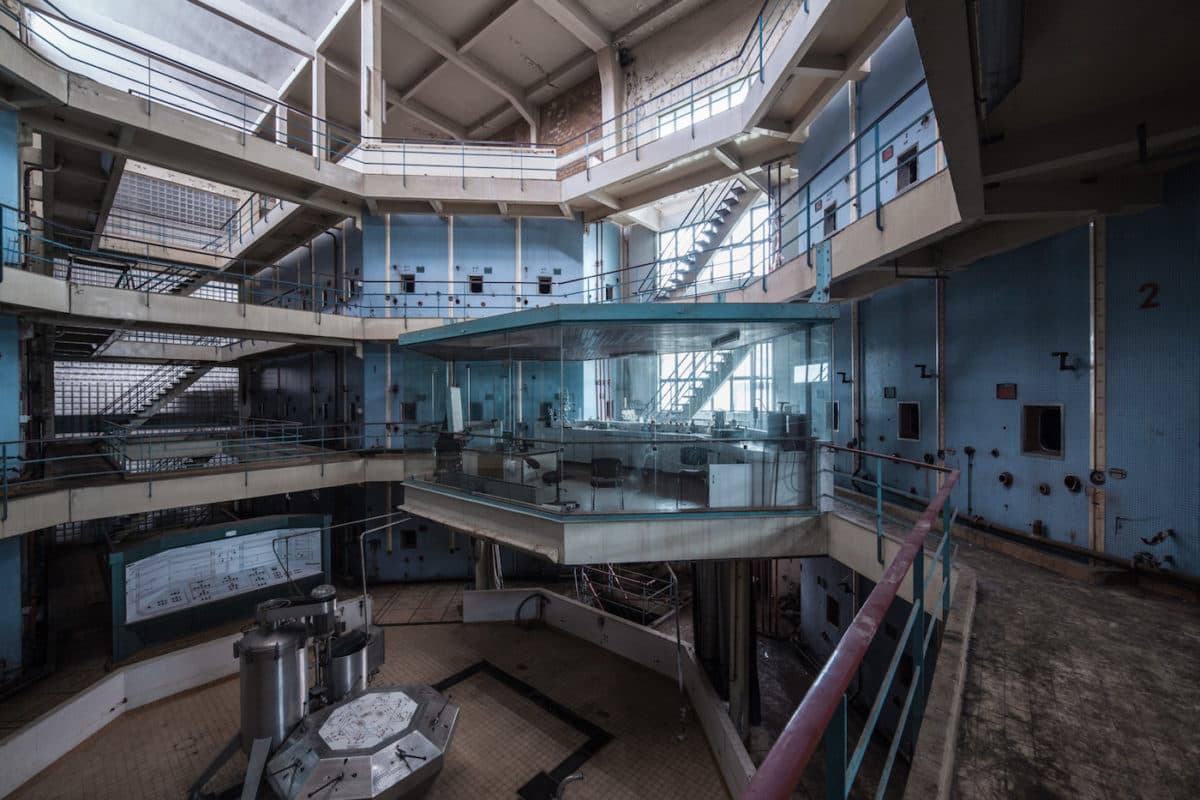
Where can you find an urbex map of Strasbourg?
A reliable urbex map of Strasbourg is the fastest way to identify abandoned buildings, compare areas, and avoid outdated leads. A curated map is more useful than random forum posts because locations change quickly, access can be restricted, and many sites are under redevelopment. You can start with Browse all urbex maps or open the city resource in Urbex Strasbourg: Map of Abandoned Buildings and Their History.
Quick summary
- Strasbourg offers a mix of industrial, transport, institutional, and residential abandoned sites.
- A curated urbex map helps filter outdated information and spot patterns across the city.
- Many abandoned buildings in Strasbourg are linked to economic change, public sector reorganization, or redevelopment delays.
- Site conditions change fast, so map verification matters more than old lists copied online.
- Responsible urbex means no trespassing, no forced entry, and no damage.
- Historical context makes locations easier to understand and document.
Quick facts
| Point | Detail |
|---|---|
| Main search intent | Find a useful urbex Strasbourg map and understand the city's abandoned places |
| Common site types | Factories, depots, railway buildings, offices, clinics, schools, houses awaiting reuse |
| Why sites disappear | Demolition, renovation, fire damage, security upgrades, ownership changes |
| Best research method | Use a curated map, recent notes, satellite view, and street-level verification |
| Legal reminder | Enter only where access is legal or authorized; never force entry |
| Best use of a map | Planning, historical comparison, photography scouting, and safer route preparation |
Why does Strasbourg have so many abandoned buildings?
Strasbourg has abandoned buildings because cities constantly replace older functions with newer ones. Industrial shifts, logistics changes, administrative reorganization, healthcare consolidation, and real-estate redevelopment all create temporary or long-term vacancy.
Like many European cities, Strasbourg grew through several different urban phases. Some zones were shaped by industry and transport. Others were shaped by state institutions, military uses, public services, and suburban expansion. When those functions moved, merged, or became obsolete, some buildings remained empty.
That is why the history of abandoned places in Strasbourg is not one single story. One site may reflect deindustrialization. Another may reflect a hospital service moving elsewhere. A third may simply be stuck between ownership disputes and a future redevelopment project.
What kinds of abandoned places can you find in Strasbourg?
In practice, abandoned places in Strasbourg usually fall into a few repeatable categories. Knowing those categories makes map research faster and more accurate.
Common categories
- Industrial buildings: workshops, warehouses, small factories, service yards, and production halls.
- Transport-related sites: railway service buildings, depots, peripheral logistics structures, and utility spaces.
- Institutional buildings: former offices, schools, clinics, or administrative premises left vacant after restructuring.
- Residential properties: houses or small blocks waiting for renovation, sale, or demolition.
- Mixed-use urban leftovers: sites partly reused, partly abandoned, often in transition areas.
These categories matter because they age differently. A vacant house may disappear quickly. A large concrete industrial shell may survive for years. A former administrative building may stay closed but heavily secured.
How does a curated urbex map help in Strasbourg?
A curated urbex map helps by organizing scattered information into a format you can verify. It is useful for research, photography planning, historical comparison, and route preparation.
The real value is not only the pin on the map. It is the context behind the pin: whether a site is likely still present, what type of building it is, how urban change affects it, and whether recent redevelopment may have altered the area.
That matters in Strasbourg because vacancy is uneven. Some sectors change rapidly. Others stay in a transitional state for years. A random list of “abandoned buildings in Strasbourg” often mixes demolished sites, inaccessible properties, and rumors. A verified map reduces that noise.
If you use KML-based map files, How to Import Your .KML File into Google Maps is the practical next step.
What is the history behind abandoned places in Strasbourg?
The history behind abandoned places in Strasbourg is mainly a history of urban transformation. Border-city functions, industrial change, public infrastructure evolution, and redevelopment pressure all play a role.
Strasbourg has long held strategic, administrative, and logistical importance. Over time, that created layers of buildings built for specific needs: production, storage, transport support, state administration, healthcare, housing, and education. When those needs changed, not every structure adapted at the same speed.
This explains why abandoned buildings in Strasbourg can look very different from one another. Some reflect older economic cycles. Some reflect modern service reorganization. Some are not truly “forgotten” at all; they are simply in a waiting period before a project begins.
For a place-based overview, the companion article Urbex Strasbourg: 10 Abandoned Places to Know in Strasbourg and Nearby gives an additional reading path.
Which parts of Strasbourg tend to have abandoned buildings?
Abandoned buildings in Strasbourg are most often associated with former industrial corridors, rail-adjacent zones, peripheral service areas, and redevelopment sectors. The exact inventory changes constantly.
This is why city-wide map logic is more useful than relying on a single address. In practice, clusters often appear where older logistics, production, or institutional functions have been reduced. Buildings on the urban edge or in transition belts are also more likely to remain vacant for a period.
A good urbex Strasbourg map helps you read those urban patterns instead of chasing isolated rumors.
How should you prepare a responsible urbex visit in Strasbourg?
The best preparation is to treat urbex as documentation, not conquest. Research first, check legal status, and never assume that a vacant building is safe or accessible.
Responsible checklist
- Verify whether the location still exists.
- Check for clear signs of active redevelopment or security.
- Respect private property and local regulations.
- Never climb unstable structures or enter damaged floors.
- Do not force doors, fences, or windows.
- Do not remove objects or publish harmful details.
- Prefer legal viewpoints, exterior photography, or authorized access.
MapUrbex is preservation-first. The goal is to help users find verified locations and understand them better, not to encourage trespassing or damage.
FAQ
Is urbex legal in Strasbourg?
Urbex itself is not a special legal category. The legal issue is access. If a building is private, secured, closed, or posted against entry, entering without permission can be illegal. Always follow local law and property rules.
Are abandoned buildings in Strasbourg stable over time?
Usually not. Many sites change quickly because of renovation, demolition, fire, weather damage, or new ownership. That is why recent verification matters more than old online lists.
What is the difference between a free urbex map and a curated map?
A free map can be useful for discovery, but a curated map usually adds structure, verification logic, and better research value. It helps separate current leads from outdated or unreliable information.
Can you photograph abandoned places in Strasbourg without entering them?
Yes, in many cases exterior documentation from public space is the safest and most responsible option. It also reduces legal risk and avoids damage to fragile sites.
Why does the history of abandoned places matter?
History explains why a building exists, why it became vacant, and why it may soon disappear. That context makes urbex research more accurate and more respectful.
Conclusion
Urbex Strasbourg is most useful when approached as urban research. A good map helps you locate abandoned buildings, but the historical context explains what you are actually seeing.
In Strasbourg, vacancy often reflects broader changes in industry, transport, institutions, and redevelopment. Because the city changes fast, verified mapping and responsible behavior matter more than sensationalism.
Access the free urbex map
