 MapUrbex
A practical urbex Portugal guide with map-focused planning, verified location research, safety basics, and regional tips for responsible exploration.
Urbex Portugal: Map and Guide to Abandoned Places
Portugal is one of the most searched countries for coastal villas, industrial ruins, empty sanatoriums, and forgotten rural estates. But the real challenge is not finding photos online. It is finding reliable, current, and responsibly documented information.
This urbex Portugal guide explains how to use a curated map, how to assess abandoned places in Portugal, and how to plan with a preservation-first mindset. The goal is simple: better research, fewer wasted trips, and safer decisions.
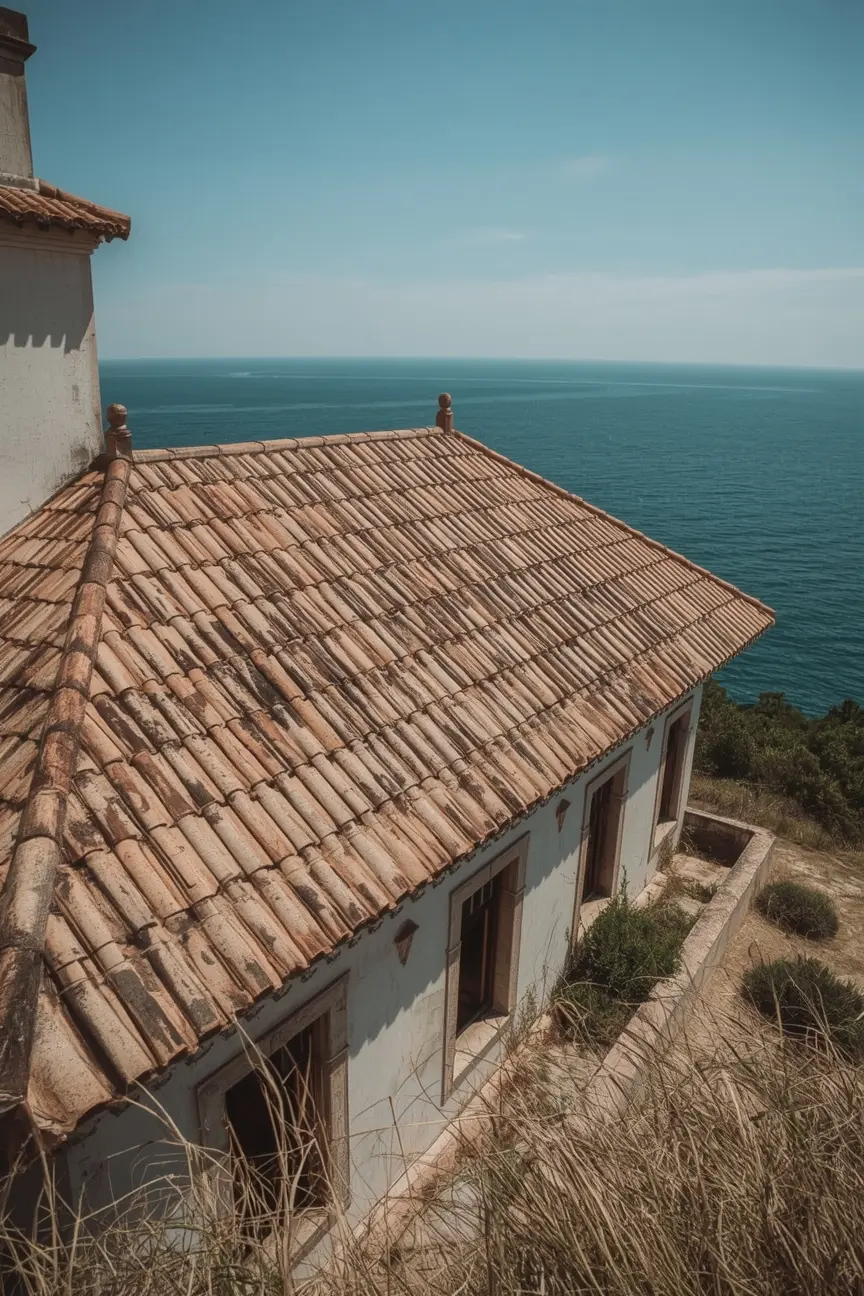
What is the best way to find urbex locations in Portugal?
The best way to do urbex in Portugal is to start with a verified, curated map rather than random coordinates from social media. A good urbex map helps you compare regions, check whether reports are current, avoid duplicate or closed sites, and plan responsibly without encouraging trespassing, forced access, or damage.
Quick summary
- A reliable urbex Portugal strategy starts with verified mapping, not recycled lists.
- Portugal offers a wide mix of abandoned villas, factories, religious sites, hospitals, and military remains.
- The best-known search zones are usually around Lisbon, Porto, Setubal, Coimbra, and parts of the Algarve.
- Responsible urbex means checking legal status, avoiding entry without permission, and never sharing risky access advice.
- Curated resources save time by filtering outdated, demolished, or inaccessible places.
- MapUrbex is most useful when you want research efficiency and preservation-first planning.
Quick facts
| Topic | Key point |
|---|---|
| Country focus | Portugal |
| Main search intent | Find verified abandoned places efficiently |
| Best tool type | Curated urbex map |
| Common location types | Villas, factories, hospitals, schools, forts, farms |
| Main planning issue | Access legality and current condition |
| Best approach | Research first, verify status, explore responsibly |
Why use a verified urbex map for Portugal?
A verified urbex map is the fastest way to reduce uncertainty in Portugal. It gives structure to your research and helps you prioritize places that are more likely to be real, relevant, and still standing.
Portugal has many abandoned sites mentioned in forum posts, old YouTube videos, and copied blog lists. The problem is that many of those references age badly. Buildings are renovated, fenced, demolished, or actively monitored. A map built around curation is more useful than a simple list because it helps you compare multiple places at once.
If you want a map-first overview, start with Portugal Urbex Map: Find Verified Abandoned Places in Portugal. For a broader overview of the platform, you can also Browse all urbex maps.
Which abandoned places in Portugal are most sought after?
The most sought-after abandoned places in Portugal are usually coastal villas, former medical facilities, industrial complexes, religious buildings, and isolated rural estates. These categories appear often because they combine atmosphere, architecture, and regional variety.
In practice, explorers usually search for:
- abandoned mansions and villas near the coast
- disused factories and warehouses near major urban corridors
- old hospitals, sanatoriums, or care facilities
- schools, convents, chapels, and monasteries
- forts, bunkers, or military remnants
- farms, estates, and transport-related structures in the interior
Not every category is equally accessible or legal to visit. Some sites are on private land. Others may be structurally dangerous even when entry seems easy. That is why any serious guide to abandoned places in Portugal should treat verification and permission as part of the planning process, not as an afterthought.
For place ideas around major cities, see Urbex Portugal: 12 Best Abandoned Places to Explore Near Lisbon and Porto.
Which regions matter most for urbex Portugal?
The regions that matter most for urbex Portugal are the Lisbon area, Porto and the north, the central belt around Coimbra, the Setubal side of the Tagus estuary, and selected parts of the Algarve. These areas combine density, transport access, and architectural variety.
Lisbon and its wider urban zone often attract the most attention because they concentrate transport history, old institutions, industrial leftovers, and suburban decay. Porto and the north are appealing for mills, factories, villas, and hillside structures linked to older industry and migration.
Central Portugal often delivers a different experience. You see more scattered estates, smaller institutions, agricultural buildings, and partially reclaimed sites. The Algarve is more selective, but it can include abandoned tourism infrastructure, isolated houses, and coastal properties.
A country-level map is useful here because Portugal is not only about Lisbon and Porto. Stronger results often come from comparing urban belts with second-tier cities and rural transition zones.
How should you plan an urbex trip in Portugal responsibly?
A responsible urbex trip in Portugal starts with legal awareness, route planning, daylight timing, and a decision to walk away when access is unclear. The rule is simple: no trespassing, no forced entry, and no damage.
Use this checklist before you go:
- confirm whether the site is on private or restricted land
- check whether the building is known to be active, guarded, or sealed
- avoid solo visits to unstable structures
- wear footwear suited to broken surfaces and debris
- bring lighting, water, and a charged phone
- avoid roofs, shafts, and floors with visible collapse
- leave objects where they are
- do not publish instructions that make intrusion easier
MapUrbex follows a preservation-first approach. That means verified locations are useful only when paired with responsible behavior.
How does a curated urbex Portugal guide save time?
A curated urbex Portugal guide saves time by narrowing the field before you travel. Instead of opening dozens of weak leads, you start with a shorter list of more credible options.
This matters because Portugal has a high volume of duplicated content online. Many articles repeat the same famous places, often without updating access status or current condition. A curated guide is more practical because it helps you sort places by geography, likely type, and trip value.
If you want another map-focused reference, read Urbex Map Portugal: A Reliable Guide to Abandoned Places.
Where should beginners start with a Portugal urbex map?
Beginners should start with a Portugal urbex map that shows a broad national view first, then narrow down by region and site type. This reduces bad assumptions and helps you plan realistic day trips.
A beginner-friendly process looks like this:
- choose one target area rather than the whole country
- compare urban and rural options nearby
- prioritize places with clearer reporting history
- check travel logistics before interest level alone
- keep backup locations in case a site is inaccessible
The goal is not to collect coordinates. The goal is to build a workable, legal, and low-risk plan.
FAQ
Is urbex legal in Portugal?
Urbex itself is not a special legal category in Portugal, but access depends on property rights, local restrictions, and site conditions. If a place is private, restricted, or secured, entering without permission can be unlawful.
Do I need permission to enter abandoned places in Portugal?
Yes, if the property is privately owned or otherwise restricted, you need permission. A building being empty does not make it publicly accessible.
What are the main risks at abandoned sites in Portugal?
The main risks are unstable floors, falling material, broken glass, hidden holes, exposure to weather, and uncertain legal access. Coastal humidity and long neglect can make structures weaker than they look.
Are there good urbex areas near Lisbon and Porto?
Yes, the areas around Lisbon and Porto are among the most researched in the country. They offer the highest concentration of known sites, but they also tend to attract more attention, more closures, and more outdated online information.
Why is a map better than a simple list of spots?
A map is better because it adds geography, trip logic, and comparison. You can cluster places, judge distance, and avoid wasting time on scattered or obsolete leads.
Conclusion
Urbex Portugal is best approached as a research problem first and an exploration plan second. The most useful resources are curated maps, verified location references, and guides that treat legality, safety, and preservation as core requirements.
If you want to find abandoned places in Portugal more efficiently, start with structured mapping instead of random posts. That approach is better for your time, better for site preservation, and more reliable overall.
Access the free urbex map
