 MapUrbex
A practical guide to urbex in Nice: where abandoned villas and hotels usually appear, how to search responsibly, and how MapUrbex helps verify locations.
Urbex Nice: Where to Find Abandoned Villas and Hotels
Urbex Nice is less about huge factories and more about hillside villas, former hotels, shuttered leisure properties, and forgotten buildings on the edge of the city. That makes the search more architectural, more fragmented, and often more sensitive from a legal standpoint.
If you are looking for abandoned villas in Nice or abandoned hotels in Nice, the key is not chasing random rumors. The best approach is to understand the city’s urban form, coastal tourism history, and access constraints before you plan anything.
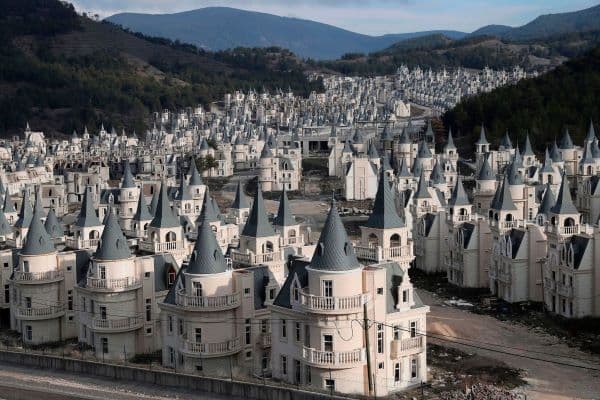
Where can you find abandoned villas and hotels for urbex in Nice?
In Nice, the most promising urbex zones are usually the hills above the city, older residential belts, former hospitality corridors near the coast, and peripheral roads leading toward neighboring communes. The most common targets are abandoned villas, disused small hotels, and neglected estates rather than large industrial ruins. Always verify legal status and never enter closed or occupied property.
Quick summary
- Urbex Nice usually means villas, hotels, estates, and smaller disused properties rather than factories.
- The best search logic is topographic: hillsides, older luxury districts, and former tourism strips.
- Many abandoned buildings in Nice are privately owned, fenced, watched, or partly reused.
- Street research, cadastral clues, satellite views, and recent local activity checks matter more than hearsay.
- Responsible urbex in Nice means no trespassing, no forced entry, and no publication of unsafe access tips.
- MapUrbex helps by focusing on verified locations and preservation-first mapping.
Quick facts
- Primary keyword: urbex Nice
- Typical targets: abandoned villas, abandoned hotels, small leisure sites, service buildings
- Urban pattern: dense center, steeper residential hills, coastal tourism heritage
- Main challenge: legal access is often restricted even when a site looks empty
- Best method: combine map research, on-site observation from public space, and verification
| Search zone | What you may find | What to verify first |
|---|---|---|
| Hills above the city | Large villas, estates, annexes | Ownership, fencing, neighbors, slope hazards |
| Older residential belts | Neglected mansions, split properties | Signs of partial occupation or renovation |
| Former hotel corridors | Small hotels, guesthouses, leisure buildings | Current commercial reuse, cameras, security |
| Urban edge and road approaches | Utility buildings, storage sites, compounds | Access legality, traffic risk, structural condition |
Why does urbex Nice attract attention?
Urbex Nice attracts attention because the city combines Belle Époque architecture, hillside wealth, tourism history, and intense real-estate pressure. That mix creates a small but interesting stock of abandoned or semi-abandoned properties.
Nice is not the easiest French city for classic urban exploration. Many of its most interesting places are private villas or former hospitality buildings. They can look empty from outside while still being monitored, inherited, or scheduled for redevelopment.
That is why urbex places in Nice require more verification than many ex-industrial areas elsewhere in France. A site is not truly usable for research or photography just because it appears abandoned online.
Which parts of Nice usually contain abandoned villas?
Abandoned villas in Nice usually appear in elevated residential sectors, older prestige neighborhoods, and transitional edges where large properties have become costly to maintain. The pattern is architectural and topographic rather than industrial.
Look for clues such as oversized plots, retaining walls, long closed gates, neglected gardens, and annex buildings hidden behind mature vegetation. In Nice, these indicators often matter more than warehouse-style decay.
Useful public-space signals include:
- shutters closed for years
- repeated overgrowth on a large parcel
- visible weathering with no active maintenance
- outdated sale or permit traces
- inconsistent renovation activity that stopped mid-project
Even then, caution is essential. A villa may be seasonally used, partly inhabited, or under legal dispute. Never assume emptiness means permission.
Where do abandoned hotels around Nice usually appear?
Abandoned hotels in Nice are usually found in older tourism belts, former roadside lodging zones, and secondary hospitality areas that lost commercial relevance. They are more likely to be small hotels, pensions, or leisure properties than large landmark resorts.
The French Riviera has a long hospitality history, but turnover is constant. Some buildings close because of changing tourism standards, costly renovation requirements, ownership issues, or redevelopment plans. Others are only temporarily shut.
When researching hotels abandoned in Nice, verify these points:
- whether the building is fully closed or just seasonal
- whether signage indicates a new project
- whether lower floors are reused for storage or staff access
- whether surveillance is active
- whether adjacent properties remain occupied
This is one reason many explorers use structured tools rather than social-media tips. Verified data reduces wasted trips and risky assumptions.
How can you identify a worthwhile site without risking trespassing?
The safest way to identify a worthwhile site is to do most of the work before visiting. In Nice, remote research is usually more useful than improvisation on the ground.
Start with satellite views, street-level observation from legal public areas, and timeline checks. Compare roof condition, vegetation growth, blocked entrances, and vehicle presence. Then look for planning activity, recent listings, or renovation signs.
A simple workflow is:
- shortlist likely areas, not exact rumors
- cross-check with recent map imagery
- inspect only from public roads or viewpoints
- remove any site that shows active occupation
- prioritize verified entries in curated resources
If you are new to this method, read How to Start Urbex: A Beginner's Guide to Urban Exploration and How to Find Abandoned Places with Google Maps.
What legal and safety rules matter for urbex in Nice?
The most important rule for urbex Nice is simple: an abandoned look does not create a right to enter. Most villas and hotels around Nice are private property.
Do not climb fences, break locks, bypass barriers, or enter through damaged openings. Coastal and hillside environments add extra risks such as unstable terraces, hidden drops, old pools, water damage, mold, and collapsing floors.
Responsible practice means:
- staying outside when access is not clearly lawful
- avoiding any forced or covert entry
- respecting neighbors and not drawing crowds
- never taking objects or damaging interiors
- avoiding risky solo visits
- leaving no trace
MapUrbex follows a preservation-first approach. The goal is better information and safer planning, not reckless access.
How does MapUrbex help with urbex places in Nice?
MapUrbex helps by filtering noise. Instead of chasing vague forum posts, you can focus on verified locations, curated research, and practical context.
That matters in Nice because many sites are ambiguous. Some are demolished, some are occupied, and some were never truly abandoned. A curated map saves time and helps reduce unnecessary exposure to legal and physical risk.
If you want to expand beyond Nice, you can also Browse all urbex maps.
Frequently asked questions
Is urbex legal in Nice?
Urbex itself is not a legal exemption. In Nice, entering private property without authorization can still be illegal even if the place looks abandoned.
Are there more abandoned villas or abandoned hotels in Nice?
In practice, abandoned villas in Nice are often easier to spot than abandoned hotels. Hotels exist, but many are seasonally closed, repurposed, or quickly redeveloped.
Is Nice a good destination for beginner urbex?
Nice can work for beginners only if they stay research-focused and cautious. It is less suitable for spontaneous exploration because legal access is often limited and many sites sit in exposed residential settings.
Should you share exact locations publicly?
In most cases, no. Publicly sharing exact abandoned locations can accelerate vandalism, theft, unsafe visits, and conflict with owners or neighbors.
What is the best alternative to random spot trading?
The best alternative is verified research through curated mapping, public observation, and responsible documentation. That is the logic behind MapUrbex.
Conclusion
Urbex Nice is best approached as a careful search for architectural remnants of the Riviera: villas, hotels, estates, and overlooked properties at the city’s edge. The strongest results come from methodical research, not risky improvisation.
If you want better signal, verified entries, and a preservation-first workflow, start with a curated map instead of guessing.
Access the free urbex map
