 MapUrbex
A practical guide to urbex in winter vs summer, with the best site types, seasonal risks, gear changes, and safer planning tips.
Urbex in Winter vs Summer: Which Places to Visit and Which Risks Matter Most
Urban exploration changes a lot between seasons. Vegetation, temperature, daylight, moisture, and public activity all affect how a place looks and how risky it becomes.
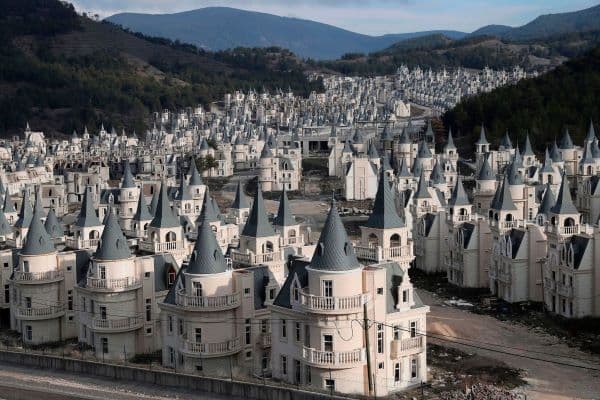
That is why urbex in winter vs summer is not just a comfort question. It changes visibility, battery life, footing, access roads, and even the kinds of locations worth prioritizing.
This guide explains which seasonal urbex locations usually work better in cold or warm months, what risks increase, and how to plan with a responsible, preservation-first mindset.
Should you do urbex in winter or summer?
Winter is usually better for visibility and overgrown sites, while summer is usually better for long daylight and dry approaches. Neither season is universally safer. Winter adds cold, ice, and short days; summer adds heat, insects, dense vegetation, and hidden hazards. The best choice depends on the site type, local weather, and whether legal access is possible without forcing entry.
Quick summary
- Winter often works better for abandoned villages, overgrown factories, and exterior photography with clear sightlines.
- Summer usually helps with long daylight, easier travel, and dry ground, but vegetation can hide holes, shafts, and unstable edges.
- Seasonal urbex risks are different, not lower: winter increases ice and cold stress, while summer increases heat stress, insects, and wildfire concerns.
- Mountain, tunnel, coastal, and flood-prone locations can change sharply with the season and local weather pattern.
- The safest approach is to choose the season based on the site type, forecast, daylight window, and legal access conditions.
- MapUrbex recommends verified locations, no forced entry, and preservation-first decisions in every season.
Quick facts
Season affects more than comfort. It changes what you can see, how long you can stay, and how quickly conditions can turn unsafe.
| Factor | Winter | Summer |
|---|---|---|
| Visibility | Usually better because foliage is low | Often worse in overgrown areas |
| Daylight | Shorter exploration window | Longer exploration window |
| Ground conditions | Ice, snow, mud, black ice | Dry ground in many regions, but dust and loose debris |
| Biological risks | Cold stress, numb hands, low battery performance | Heat, dehydration, ticks, mosquitoes, nettles |
| Hidden hazards | Snow or wet leaves can conceal holes | Dense grass and shrubs can hide drops and metal |
| Best fit | Overgrown sites, exterior scouting, clear winter light | Long approaches, dry rural trips, extended photo sessions |
Which urbex places are usually better in winter?
Winter is usually better for places where vegetation is the main obstacle. When leaves, tall grass, and brambles are reduced, sightlines improve and exterior paths are easier to evaluate.
Places that often benefit from winter conditions include:
- abandoned villages and hamlets hidden by summer foliage
- factories or warehouses surrounded by invasive vegetation
- manor houses, farms, and chapels where exterior composition matters
- large ruins where you need to read the structure from a distance before moving closer
Winter can also make façade photography cleaner. Low vegetation reveals windows, rooflines, courtyards, and entry zones more clearly.
But winter is not a free safety upgrade. Ice on stairs, frozen mud, and snow-covered voids can turn an easy approach into a serious risk. If a site sits on exposed concrete, metal walkways, steep slopes, or mountain roads, winter can quickly become the worse option.
Which urbex places are usually better in summer?
Summer is usually better for places that benefit from long daylight, stable travel conditions, and dry approaches. It often helps when the main issue is time on site rather than vegetation.
Places that often work better in summer include:
- remote rural sites with long walks from legal parking areas
- large industrial complexes that require more daylight for slow, careful movement
- open-air ruins in regions where winter brings heavy rain, snow, or early darkness
- locations reached by secondary roads that are more reliable in warm weather
Summer can also help photographers who want long golden-hour windows. You can scout exteriors, wait for light changes, and leave before dark more comfortably.
The trade-off is that many places become visually harder to read. Dense growth can hide collapsed floors, wells, barbed wire, or broken fencing. In some regions, summer also means wildfire restrictions, more public activity, and much hotter interior temperatures than expected.
What risks increase during winter urbex?
Winter urbex increases cold-related and surface-related risks first. The main danger is not only temperature. It is the way cold changes your movement, judgment, and the reliability of materials.
Key winter risks include:
- black ice on concrete, tile, metal stairs, and loading ramps
- reduced grip from wet moss, frost, or frozen mud
- shorter daylight and earlier navigation pressure
- numb fingers, slower reactions, and poor fine motor control
- faster battery drain in phones, lamps, and cameras
- hidden voids under snow, leaves, or thin ice
- inaccessible roads in mountain or forest areas
A simple rule matters here: if the forecast includes snowmelt, freezing rain, or strong wind, assume conditions are worse than the site photos suggest.
What risks increase during summer urbex?
Summer urbex increases heat, biological exposure, and concealment risks. Many hazards are still structural, but they are harder to see because plants and glare mask them.
Key summer risks include:
- dehydration and heat exhaustion
- sun exposure during long exterior approaches
- ticks, mosquitoes, wasps, and regional wildlife hazards
- dense nettles, brambles, or tall grass hiding holes and sharp debris
- warm interiors with stale air and dust concentration
- higher visibility to passersby, neighbors, or site staff
- wildfire risk in dry regions
Summer can create a false sense of ease. Dry ground and long days feel comfortable, but overconfidence is common when visibility is actually worse than in winter.
How do site types change with the season?
Some locations are strongly seasonal. The same site can feel straightforward in January and confusing in July, or the opposite.
| Site type | Usually better season | Why | Main caution |
|---|---|---|---|
| Abandoned village | Winter | Clearer paths and façades | Ice, hidden wells, remote access |
| Overgrown factory | Winter | Better visibility around entrances and yards | Metal surfaces become slippery |
| Large warehouse | Summer | More daylight for slow navigation | Heat, dust, hidden debris in weeds |
| Tunnel or bunker | Depends | Outside season matters more than inside | Water, low oxygen, unstable footing |
| Mountain hamlet | Late spring to early autumn | Safer roads and longer daylight | Storms, heat, exposure |
| Coastal ruin | Mild seasons | Better balance of light and wind | Salt corrosion, slippery stone, storms |
The key point is simple: choose the season for the site, not the site for the season.
How should your gear change from winter to summer?
Your basic urbex kit stays the same, but seasonal adjustments matter. Reliable lighting, stable footwear, water, and a charged phone are year-round essentials.
In winter, prioritize:
- layered clothing that still allows careful movement
- gloves that preserve grip and dexterity
- spare batteries kept warm
- waterproof footwear with dependable traction
- a larger time margin because daylight ends early
In summer, prioritize:
- more water than you think you need
- breathable clothing that still protects skin
- sun protection for long approaches
- insect awareness and post-visit tick checks
- route discipline so you do not push deeper just because light lasts longer
In both seasons, carry at least two dependable light sources, tell someone your plan, and leave immediately if footing, weather, or air quality feels wrong.
How can you plan urbex safely in any season?
Safe planning starts before you travel. Check weather, daylight, terrain, and local access rules first, then decide whether the visit still makes sense.
Use this sequence:
- Confirm whether access is legal or explicitly permitted.
- Check forecast, temperature swing, and sunset time.
- Review terrain around the site, not just the building itself.
- Assume floors, stairs, and roofs are weaker than they look.
- Keep a turnaround time and respect it.
- Never force entry, damage barriers, or bypass closures.
MapUrbex is built around verified locations, curated maps, and responsible exploration. If you want a structured starting point, Browse all urbex maps.
For city-specific reading, you can also compare guides such as Urbex Brussels: guide to abandoned places in and around Brussels, Urbex Strasbourg: 10 Abandoned Places to Know in Strasbourg and Nearby, and Urbex Toulouse: Best Abandoned Places In and Around Toulouse.
Safety reminder: do not trespass, do not force doors or fences, and do not treat abandoned places as controlled environments. Conditions change fast, especially across seasons.
FAQ
Is winter automatically safer for urbex because there is less vegetation?
No. Winter often improves visibility, but it also adds ice, cold stress, and shorter days. Better sightlines do not cancel surface hazards.
Is summer better for urbex photography?
Sometimes. Summer gives longer light windows and easier travel, but thick vegetation can block compositions and hide structural danger. Winter often works better for clean exteriors.
Which places should be avoided after snow, heavy rain, or extreme heat?
Avoid flood-prone basements, tunnels, steep access paths, mountain roads, and any structure with exposed metal stairs or crumbling upper floors. After extreme weather, conditions may be radically different from older reports.
How many light sources should you carry?
At least two dependable light sources are a practical minimum, even for daytime visits. Interiors, basements, and stairwells can become dark very quickly.
Does MapUrbex recommend one season over the other?
No single season fits every site. MapUrbex recommends matching the season to the location, using verified information, and choosing preservation-first, low-risk decisions over curiosity.
Conclusion
Urbex in winter vs summer is really a question of site fit and risk profile. Winter often helps with visibility and overgrowth. Summer often helps with daylight and travel. Both seasons can be good, and both can become unsafe fast.
The best rule is to stay selective. Choose locations that match current conditions, respect legal limits, avoid forced access, and treat every structure as unstable unless proven otherwise.
Access the free urbex map
