 MapUrbex
Explore 8 types of abandoned lighthouses and seaside resorts for urbex, with safety advice, quick facts, and verified MapUrbex planning tips.
Urbex Abandoned Lighthouses and Seaside Resorts: 8 Coastal Spots Worth Mapping
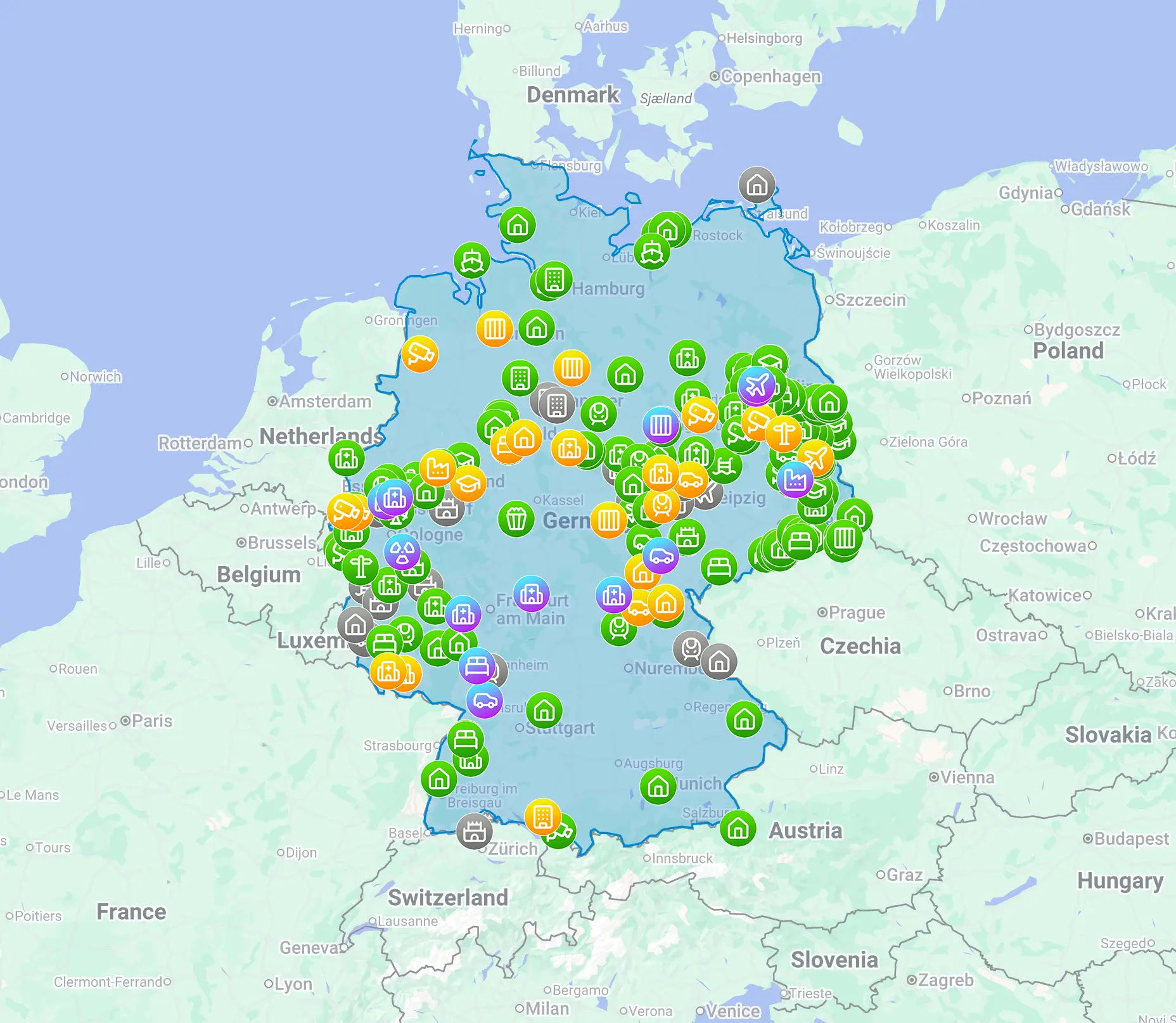
Abandoned coastal sites combine maritime history, tourism architecture, and fast physical change. A lighthouse can stand empty for decades. A seaside resort can decline much faster after storms, ownership disputes, or shifting travel patterns.
For photographers and responsible explorers, abandoned lighthouses and seaside resorts are compelling because they mix panorama, salt corrosion, and clear historical use. They are also harder to assess than inland ruins because tides, cliffs, and damaged concrete add real risk.
MapUrbex focuses on verified locations and preservation-first planning. Always respect ownership, closures, and local law. Never force entry, cross active barriers, or ignore sea conditions.
What are the best abandoned lighthouses and seaside resorts for urbex?
The best coastal urbex categories are usually decommissioned lighthouses, fog-signal stations, empty grand hotels, closed beach resorts, disused pier pavilions, abandoned holiday villages, old seaside casinos, and sealed coastal sanatoriums. These 8 coastal spots offer strong visual variety, but they should only be approached through verified mapping, legal checks, and tide-aware planning.
Quick summary
- Coastal urbex stands out because it combines maritime infrastructure, tourism history, and weather damage.
- The most reliable site types are lighthouses, seaside hotels, piers, holiday villages, and former health facilities.
- Coastal ruins change quickly because of storms, salt, redevelopment, and demolition.
- Safety depends on tide timing, corrosion, unstable floors, and restricted ownership.
- Verified maps are more reliable than random social media coordinates.
- Responsible urbex means no trespassing, no forced access, and no public oversharing of entry points.
Quick facts
- Scope: global coastal urbex
- Format: 8 spot categories
- Best for: photography, maritime history, tourism architecture
- Main hazards: tides, wind exposure, rotten floors, rusted stairs, cliff erosion
- Best workflow: verify on a curated map, then confirm legal status and current closure
- Useful starting point: Browse all urbex maps
Why do abandoned coastal sites attract so much urbex interest?
Abandoned coastal sites attract so much interest because they compress several histories into one landscape: navigation, leisure, public health, and climate damage. One shoreline can hold a lighthouse, a promenade hotel, and a closed entertainment structure within a short distance.
They also age differently from inland ruins. Salt spray and wind accelerate corrosion, blister paint, and weaken exposed metal. That gives abandoned coastal places a distinct visual language that many photographers and researchers look for.
Which 8 coastal urbex spots should you prioritize?
The 8 coastal urbex spots worth prioritizing are the ones with strong historical value, readable architecture, and enough surviving structure to document safely from legal viewpoints. In practice, that usually means a mix of maritime service buildings and former tourism sites rather than isolated ruins with no context.
| Spot type | Why it stands out | Common constraints |
|---|---|---|
| Decommissioned lighthouse | Strong silhouette, maritime history, panoramic setting | Restricted ownership, cliff exposure |
| Fog-signal station | Rare machinery spaces and service buildings | Rust, flooding, sealed doors |
| Grand seaside hotel | Ballrooms, facades, room sequences | Private security, unstable floors |
| Closed beach resort | Pools, terraces, changing areas | Fast redevelopment, fencing |
| Disused pier pavilion | Iconic geometry over water | Structural decay, storm damage |
| Abandoned holiday village | Repetition of cabins or bungalows | Seasonal patrols, hidden hazards |
| Old seaside casino or pavilion | Decorative design and social history | Fire damage, partial reuse |
| Coastal sanatorium or spa | Medical heritage and sea-facing wings | Sensitive status, environmental controls |
-
Decommissioned lighthouses are the classic choice. They work well for silhouette photography, weather studies, and maritime heritage documentation.
-
Fog-signal stations are often overlooked. Their value is technical rather than monumental, with engine rooms, siren towers, and service quarters.
-
Grand seaside hotels show the rise and decline of mass tourism. Even from public viewpoints, facades, verandas, and closed entrances can tell a complete story.
-
Closed beach resorts often include pools, terraces, ticket booths, and long circulation lines. They are among the fastest-disappearing coastal sites because investors target waterfront land early.
-
Disused pier pavilions are highly photogenic but structurally fragile. Their appeal comes from exposed framing, sea views, and the contrast between leisure design and decay.
-
Abandoned holiday villages provide scale. Rows of identical units reveal how leisure architecture once organized short-term tourism.
-
Old seaside casinos and entertainment halls document a social world of music, gambling, dancing, and seasonal crowds. Exterior documentation is often enough to preserve the story responsibly.
-
Coastal sanatoriums and spa complexes connect urbex with medical and wellness history. Many occupy dramatic sites, but they also tend to be legally sensitive and closely monitored.
How can you explore abandoned lighthouses and seaside resorts responsibly?
Responsible coastal urbex starts with distance, verification, and timing. The safest first step is to document what is visible from public land, legal paths, harbors, or beaches that remain open under local rules.
Use this planning checklist:
- Confirm ownership and closure status before travel.
- Check tide tables, wind, and recent storm conditions.
- Assume stairs, catwalks, roofs, and sea-facing slabs are weaker than they look.
- Do not climb sea defenses, cliffs, or towers without legal access and professional conditions.
- Avoid sharing entry tips publicly.
- Prefer preserved documentation over risky access.
For route research, start with How to Use Google Maps to Find Abandoned Places Responsibly and compare findings with How to Use Google Maps to Find Abandoned Places.
How does MapUrbex help you find verified coastal urbex spots?
MapUrbex helps by filtering noise. Instead of chasing vague coordinates from videos, you can review curated mapping, regional context, and location relevance in one place.
That matters even more on the coast. A spot that looked open last year may now be demolished, reused, or sealed. The update problem is real, which is why Abandoned Places That Disappeared in 2025: Demolished, Reused, or Sealed is useful reading before any trip.
If you want a broader starting point, Browse all urbex maps gives the clearest overview, and Access the free urbex map is the fastest low-friction entry point.
FAQ
Is it legal to enter abandoned lighthouses?
Usually, no assumption of legality is safe. Many lighthouses remain under state, port, military, or private control even when they look empty. Always verify current status and never trespass.
Are abandoned seaside resorts more dangerous than inland ruins?
Often, yes. Salt corrosion, storm damage, wet surfaces, exposed edges, and shifting sand make coastal structures less predictable than many inland buildings.
Why do coastal abandoned places disappear so quickly?
Waterfront land is valuable. Owners, municipalities, and developers often demolish, secure, or reuse these properties faster than inland sites. Storms also accelerate loss.
Can you document these places without entering them?
Yes. Many of the best records come from public promenades, beaches, harbor walls, roads, and long-lens photography. Legal exterior documentation is often the smartest option.
How do I find coastal urbex spots without relying on social media leaks?
Use curated maps, old postcards, planning records, maritime infrastructure clues, and satellite review. A verified workflow is more reliable than viral pins.
Conclusion
Urbex around abandoned lighthouses and seaside resorts is less about secret entry and more about good selection, timing, and context. The strongest coastal spots combine maritime heritage, tourism history, and visual decay, but they also demand stricter legal and safety judgment.
MapUrbex is built for that balance: verified locations, responsible exploration, and preservation-first research.
Access the free urbex map
