 MapUrbex
A responsible guide to the largest abandoned places in Europe, from Pripyat and Beelitz-Heilstätten to Buzludzha, Belchite, Craco, and Doel.
The Largest Abandoned Places in Europe: 6 Bucket-List Sites to See Once in Your Life
Europe has no shortage of ruins, but only a few abandoned places combine real scale, historical weight, and the kind of atmosphere explorers remember for years. That is why lists about abandoned places in Europe often return to the same names: Pripyat, Beelitz-Heilstätten, and Buzludzha.
For a true urbex Europe bucket list, size is only part of the story. The places worth planning around are the ones that are historically important, visually distinctive, and possible to approach responsibly without trespassing or damaging fragile sites.
What are the largest abandoned places in Europe?
The largest abandoned places in Europe are usually either whole urban zones or very large institutional complexes. The most cited examples are Pripyat in Ukraine, Beelitz-Heilstätten in Germany, and the Buzludzha monument in Bulgaria, followed by famous sites such as Belchite, Craco, and Doel. For a useful bucket list, legal access and preservation matter more than raw square meters.
Quick summary
- Pripyat is the most iconic abandoned city in Europe, but access is heavily restricted and depends on current security conditions.
- Beelitz-Heilstätten is one of the continent's best-known abandoned hospital complexes and a landmark of German urbex culture.
- Buzludzha stands out for architecture, symbolism, and mountain setting more than for urban scale alone.
- Belchite, Craco, and Doel add variety: war ruins, a deserted hill town, and a half-empty village.
- Responsible urbex means no forced entry, no trespassing, no vandalism, and no publication of sensitive details that could damage sites.
- MapUrbex is most useful when you want verified locations and curated maps instead of random coordinates.
Quick facts
- Scope: Europe
- Best for: bucket-list planning, famous abandoned places, urbex trip ideas
- Core trio: Pripyat, Beelitz-Heilstätten, Buzludzha
- Typical formats: ghost city, hospital complex, monument, ruined village, abandoned town
- Access reality: rules change often; many sites are exterior-view only, guided-only, or closed
- Responsible starting point: Browse all urbex maps
Which abandoned places in Europe deserve a real bucket-list spot?
The best bucket-list abandoned places in Europe are the sites that combine scale, visual identity, and documented history. The table below gives a practical shortlist.
| Site | Country | Type | Why it is famous | Access note |
|---|---|---|---|---|
| Pripyat | Ukraine | Abandoned city | Chernobyl-era ghost city with unmatched global recognition | Restrictions are strict and can change rapidly |
| Beelitz-Heilstätten | Germany | Hospital complex | Vast pavilions, long history, classic urbex imagery | Some areas are managed; rules vary by zone |
| Buzludzha | Bulgaria | Monument | Monumental architecture on a remote summit | Conditions and restrictions can vary |
| Belchite | Spain | Ruined old town | Civil War ruins preserved as a historical landscape | Cultural protection applies |
| Craco | Italy | Deserted hill town | Dramatic skyline and cinematic setting | Fragile terrain and controlled access concerns |
| Doel | Belgium | Semi-abandoned village | Street art, empty houses, and a strong urbex reputation | Legal situation changes frequently |
Why is Pripyat still the most iconic abandoned place in Europe?
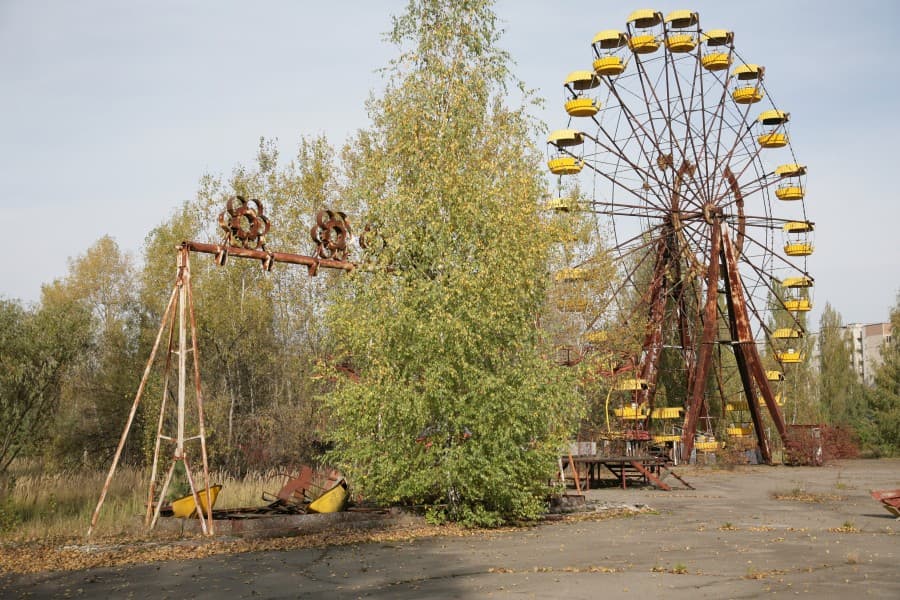
Pripyat remains the reference point because it is not just a building. It is an entire planned Soviet city evacuated after the 1986 Chernobyl disaster. That urban scale is what makes it so powerful in photography, history, and public memory.
The ferris wheel, apartment blocks, schools, and civic buildings created one of the world's best-known images of abandonment. Few European sites offer that combination of size and symbolism.
Pripyat is also the clearest example of why responsible urbex matters. Access is not a casual adventure. It is shaped by law, safety, geopolitics, and contamination history. Anyone researching it should treat it as a restricted zone first and an urbex icon second.
What makes Beelitz-Heilstätten one of Europe's great urbex landmarks?
Beelitz-Heilstätten stands out because it is one of Europe's most famous large abandoned medical campuses. Its pavilions, corridors, brick architecture, and wooded setting have made it a defining reference for urbex Europe.
Unlike smaller ruins, Beelitz feels like a landscape of abandonment rather than a single structure. That is why it appears so often in lists of famous abandoned places and why it still shapes how many people imagine continental urbex.
It is also a useful reminder that not every bucket-list site should be approached the same way. Parts of the complex have been redeveloped or managed, and legal visiting options may exist depending on the area. That makes research essential before any trip.
Why does Buzludzha remain a bucket-list site for urbex Europe?
Buzludzha remains a bucket-list site because its impact comes from form and setting. The abandoned monument looks almost unreal on the mountain ridge, and its political history gives it far more depth than a simple ruin.
For many travelers, Buzludzha is the most recognizable abandoned monument in Eastern Europe. It is less about wandering a huge interior and more about seeing an extraordinary building in a dramatic landscape.
Weather, road conditions, and preservation issues all matter there. The responsible approach is to check current rules, avoid risky behavior, and treat the site as heritage under pressure rather than a playground.
Which other famous abandoned places in Europe belong on the list?
Beyond the main trio, three names regularly earn a place on a serious Europe bucket list: Belchite, Craco, and Doel. Each represents a different kind of abandonment.
Belchite in Spain is known for ruined streets and churches left as a witness to the Civil War. It matters because the site carries memory as much as atmosphere.
Craco in Italy is famous for its steep, emptied silhouette above the Basilicata landscape. It is one of the clearest examples of a deserted hill town in Europe.
Doel in Belgium became a modern symbol of depopulation, shifting urban plans, and street-level abandonment. Its status has changed over time, which is exactly why independent verification matters before visiting.
If you are building a themed itinerary, The Most Incredible Abandoned Hotels in Europe is a useful companion read.
How should you plan an urbex Europe trip responsibly?
A responsible urbex Europe trip starts with verification. Do not rely on old forum posts, random coordinates, or social media clips without context. Ownership, closures, and safety conditions can change quickly.
A better method is simple:
- check whether the site is legally visitable, viewable only from the exterior, or fully closed
- prioritize guided, managed, or clearly tolerated access where it exists
- avoid forced entry, climbing unstable structures, and entering contaminated or fire-damaged buildings
- never remove objects, break barriers, or publish details that increase vandalism risk
- use curated resources instead of rumor-based spot lists
For a continent-wide starting point, read Free Urbex Map Europe: Where to Start Exploring Responsibly or Browse all urbex maps.
Are the biggest abandoned places always the best ones to visit?
No. The biggest abandoned places are not automatically the best ones to visit. The most worthwhile sites usually combine atmosphere, historical context, and a realistic legal way to see them safely.
That is why many experienced explorers rank a well-preserved medium-size site above a massive but inaccessible complex. A bucket list should be built around quality of experience, not only scale.
FAQ
Is Pripyat open for casual urbex travel?
No. Pripyat should not be treated as a casual stop. Restrictions and security conditions are the first factor to check, and they can change without much notice.
Is Beelitz-Heilstätten fully abandoned?
No. The name usually refers to a larger historic complex with mixed conditions. Some parts are managed or repurposed, while other areas retain the abandoned atmosphere that made the site famous.
What is the safest way to see famous abandoned places in Europe?
The safest way is to prioritize legal viewpoints, guided access where available, current local rules, daylight visits, and conservative planning. Responsible urbex is slower, but it protects both people and places.
Should I share exact coordinates of fragile sites?
Usually no. Sharing precise details for vulnerable places can accelerate theft, tagging, and damage. MapUrbex favors verified information and preservation-first curation rather than uncontrolled exposure.
Which site is best for a first Europe bucket-list trip?
Beelitz-Heilstätten is often easier to integrate into a broader trip than remote or restricted sites such as Pripyat. The best first choice is usually the one with clear rules, reasonable access, and strong historical value.
Conclusion
The largest abandoned places in Europe are memorable because they are more than ruins. They are whole chapters of European history left visible in concrete, brick, steel, and empty streets.
If you want to turn inspiration into a real route, focus on verified information, legal access, and preservation. That is the difference between random urbex content and a responsible bucket list you can actually plan around.
Access the free urbex map
