 MapUrbex
Find a reliable Spain urbex map, understand how verified locations work, and plan abandoned place research across Spain responsibly.
Spain Urbex Map: How to Find Verified Abandoned Places Responsibly
Finding a reliable Spain urbex map is usually harder than finding photos of abandoned places. Many online lists are outdated, vague, or copied from social media without real verification.
MapUrbex approaches the problem differently. The goal is not to encourage risky behavior, but to help users research curated locations, compare regions, and plan more efficiently while respecting legality, safety, and preservation.
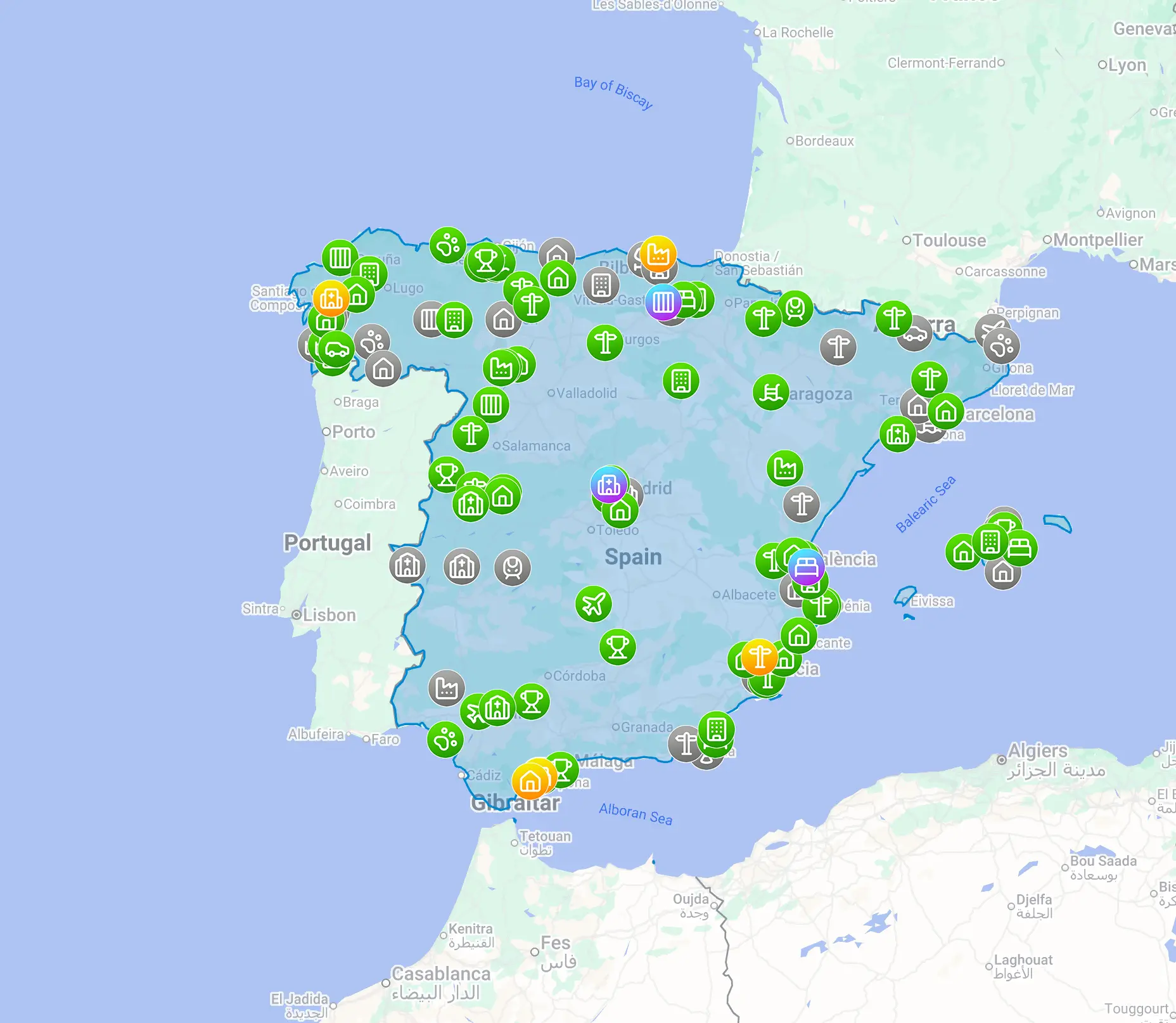
What is the best Spain urbex map?
The best Spain urbex map is a curated map with verified locations, useful regional structure, and practical planning value. A good map of abandoned places in Spain should help you reduce wasted research time, compare areas quickly, and plan responsible trips without relying on random posts or inaccurate pins.
Quick summary
- A Spain urbex map is most useful when locations are verified and organized by region.
- It is more practical than scattered lists because it improves route planning and comparison.
- Spain offers varied abandoned places, from factories and villages to hotels, stations, and institutional sites.
- Responsible urbex in Spain means no forced entry, no trespassing, and no damage.
- MapUrbex focuses on curated data, verified locations, and preservation-first exploration.
Quick facts
| Item | Details |
|---|---|
| Country scope | Spain |
| Main use | Finding verified abandoned places and planning routes |
| Typical users | Urbex photographers, road-trip planners, researchers |
| Key benefit | Less time lost on outdated or false locations |
| Safety baseline | Respect local rules, avoid risky structures, never force access |
| Useful starting points | Browse all urbex maps, Explore abandoned places in Spain |
Why do people search for a Spain urbex map?
People search for a Spain urbex map because ordinary search results rarely produce a workable planning tool. Most searches return fragments: a blog post with ten places, a video with no coordinates, or an old forum thread with uncertain status.
Spain is large enough that geography matters immediately. A place in Galicia is irrelevant if your trip is based around Valencia, and a mountain ruin is not the same kind of destination as a coastal hotel or an industrial complex. A map helps turn isolated ideas into a route-based view.
Verification is the other major reason. Many abandoned places in Spain circulate online for years after demolition, closure, sealing, or redevelopment. A curated map reduces guesswork and helps filter the difference between a real opportunity and a wasted detour.
For a wider regional perspective, Map of Abandoned Places in Europe: The Ultimate Urbex Map with 5,000+ Locations explains how Spain fits into broader European urbex planning.
How is a Spain urbex map better than scattered lists and social posts?
A Spain urbex map is better than scattered lists because it gives structure. Instead of opening multiple tabs and cross-checking names manually, you can compare regions, cluster stops, and decide which places are worth the drive.
Lists and social posts often have recurring weaknesses:
- no clear regional logic
- old or duplicated information
- vague place names
- no way to assess route efficiency
- little distinction between useful spots and overexposed ruins
A map solves those issues by placing locations in geographic context. That matters for weekend trips, long drives, and photography planning. You can prioritize an area instead of chasing random internet references.
MapUrbex also separates discovery from behavior. The map can help you research abandoned places in Spain, but it does not remove your responsibility to assess lawful access and safe conditions on site.
For a country-specific overview, see Spain Urbex Map: Verified Abandoned Places Across Spain.
What kinds of abandoned places can you find in Spain?
Spain has a wide range of abandoned places, which is one reason the Spain urbex map niche is so active. The country includes industrial heritage, rural decay, transport sites, military remains, religious buildings, and abandoned hospitality projects.
Common categories include:
- factories and workshops
- railway infrastructure and depots
- rural houses and farms
- depopulated villages
- hotels and holiday complexes
- hospitals, sanatoriums, and schools
- bunkers and military remnants
- monasteries and other religious sites
Not every category offers the same value. Some places are visually strong but hard to reach safely. Others are easy to find but too damaged, too exposed, or no longer worth the trip. A verified map helps you filter quality, not only quantity.
Spain's landscape also changes the exploration experience. Interior plateaus, mountain zones, industrial belts, resort coastlines, and isolated rural areas all create different building types and different planning constraints.
How should you use a map of abandoned places in Spain responsibly?
You should use a map of abandoned places in Spain as a research tool, not as a promise of legal entry. Responsible urbex means checking local conditions, respecting ownership and restrictions, and refusing any visit that requires forced access or reckless behavior.
A few practical rules matter:
- never force entry
- do not trespass where access is prohibited
- leave no trace
- avoid public oversharing of sensitive spots
- wear proper footwear and basic safety gear
- do not enter unstable structures alone
This is especially important in Spain because site conditions vary sharply. Heat, collapse risk, remote terrain, unsecured drops, and degraded floors are common hazards in some regions.
MapUrbex is preservation-first. The point of a curated urbex map is not to increase damage to abandoned places in Spain. It is to help responsible users research more carefully and travel more efficiently.
Access the free urbex map
Which regions of Spain are most useful for urbex planning?
The most useful regions for urbex planning are the ones that match your travel base, driving tolerance, and preferred site type. There is no single best region for everyone because Spain combines urban, industrial, rural, coastal, and mountain exploration profiles.
A practical way to organize research is to think in clusters:
- major metro areas for shorter trips
- former industrial corridors for factories and depots
- sparsely populated interiors for villages and farm ruins
- transport routes for stations and infrastructure
- coastal development zones for hotels and resorts
This is why transactional searches such as "Spain urbex map" usually signal planning intent rather than curiosity. The user often wants a usable tool, not just a list of famous ruins.
If you want to compare destinations beyond one country, Browse all urbex maps is the simplest entry point.
How does MapUrbex help you plan faster in Spain?
MapUrbex helps you plan faster in Spain by replacing fragmented research with a curated workflow. You can start with a broad view, compare regions, and move toward more focused country coverage when you want better trip density.
The advantage is not only the number of locations. It is the structure:
- country-level coverage
- clearer route logic
- better regional filtering
- less time wasted on dead pins
- stronger emphasis on verified abandoned places
For users who already want Spain-specific coverage, Explore abandoned places in Spain is the direct option. If you want more context first, Spain Urbex Map: Verified Abandoned Places Across Spain gives a broader explanation.
FAQ
Is a Spain urbex map the same as a list of abandoned places?
No. A map adds geography, clustering, and route planning. A plain list may mention sites, but it rarely helps you organize a realistic trip across Spain.
Can a map guarantee legal access to abandoned places in Spain?
No. A map can help you research locations, but legality depends on ownership, local restrictions, and on-site conditions. Always respect access rules and never force entry.
Why do verified locations matter for urbex in Spain?
Verified locations reduce wasted travel and lower the risk of chasing demolished, converted, or duplicated places. They also improve planning efficiency.
Is the MapUrbex Spain map only for experienced explorers?
No. Beginners benefit from clearer structure and planning, while experienced users save research time and compare regions more efficiently.
Should exact abandoned locations be shared publicly after a visit?
Usually no. Public oversharing can accelerate vandalism, theft, and sealing. A preservation-first approach protects places better.
Conclusion
A good Spain urbex map is not just a collection of pins. It is a practical planning tool for finding verified abandoned places in Spain, comparing regions, and reducing wasted research time.
That matters because Spain is large, diverse, and unevenly documented online. A curated map helps turn vague inspiration into usable trip planning while keeping legality, safety, and preservation in focus.
Access the free urbex map
