 MapUrbex
A practical guide to organized urbex trips, including the best travel formats, destination types, legal checks, and safety rules for responsible exploration.
Organized Urbex Trips: The Best Travel Formats and Destinations for Explorers
Organized urbex trips are appealing because they turn scattered research into a coherent travel plan. For many explorers, that means combining transport, lodging, documented locations, and legal checks into one realistic itinerary.
In responsible urbex, organized does not have to mean a commercial bus tour. It can also mean a carefully prepared self-guided trip built around verified information, preservation-first decisions, and safer alternatives when access is unclear.
MapUrbex fits that approach well: curated maps, verified locations, and a clear focus on responsible exploration rather than reckless access.
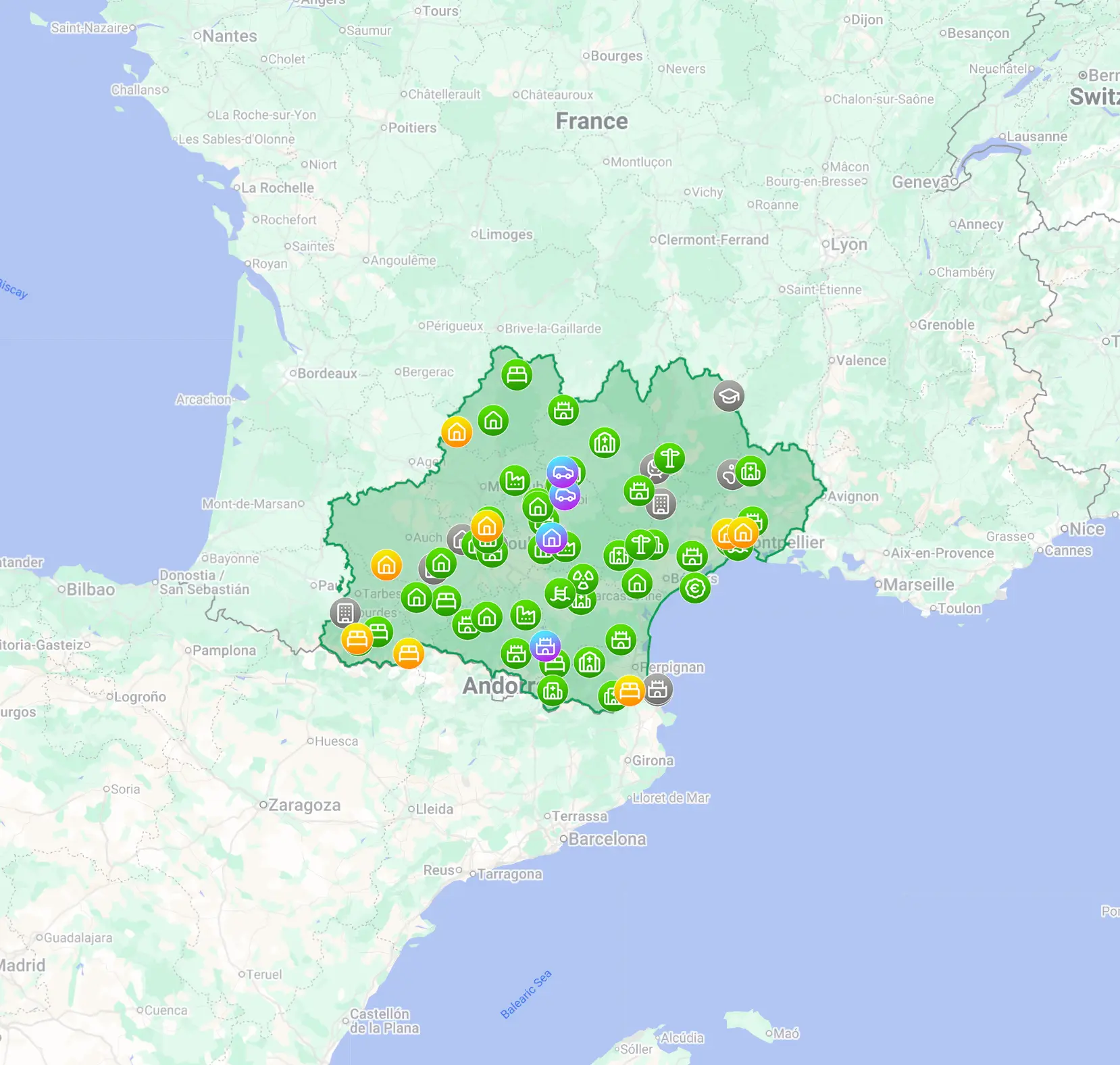
What are the best organized urbex trips for explorers?
The best organized urbex trips are structured around legal context, verified information, and realistic safety limits, not around secret entry. In practice, the strongest options are city-based weekends, regional road trips, industrial heritage circuits, and photography-focused stays that prioritize documented abandoned destinations, transport efficiency, and backup plans.
Quick summary
- The best organized urbex trips balance exploration value, legality, and travel efficiency.
- City breaks, regional loops, and industrial heritage circuits are usually the most practical formats.
- Strong urbex tourism planning starts with documented sites, local rules, and fallback locations.
- A good itinerary leaves room for closures, weather changes, and no-entry decisions.
- Responsible explorers avoid forced access, trespassing, and any tour that promises illegal entry.
Quick facts
| Topic | Key point |
|---|---|
| Best format for beginners | A short city or regional itinerary with multiple legal alternatives |
| Best format for photographers | A trip built around light conditions, exterior access, and timing |
| Main legal check | Whether access is authorized, tolerated, restricted, or clearly forbidden |
| Main safety check | Structural stability, water, height, air quality, and exit routes |
| Best planning tool | Curated maps with verified location data and route logic |
| MapUrbex role | Helps explorers plan responsibly with verified locations and curated maps |
Why do organized urbex trips appeal to explorers?
Organized urbex trips appeal to explorers because they reduce uncertainty. Instead of arriving with only rumors and screenshots, you travel with a route, research notes, timing logic, and backup options.
That matters even more in global travel. Abandoned places change fast. Gates close, buildings are demolished, security increases, and weather can make a site unusable. A planned itinerary lowers wasted time and helps you make better decisions on the ground.
It also improves trip quality. When transport, accommodation, parking, and local rules are considered in advance, an urbex stay becomes more productive and less chaotic.
Which trip formats work best for responsible urbex travel?
The best trip format depends on your goal, not on hype. If your priority is variety, city-based circuits work well. If your priority is scale, regional road trips are usually better.
Here are the most useful formats:
- City weekend: best for short stays with several documented abandoned destinations nearby.
- Regional road trip: best when locations are spread across a wider area and you need flexibility.
- Industrial heritage circuit: best for explorers interested in factories, mines, rail sites, and worker settlements.
- Photography-led stay: best when timing, weather, sunrise, and interiors matter more than quantity.
- Cross-border circuit: best for experienced planners who understand different laws and access cultures.
A strong circuit urbex plan usually includes one primary location per day, one backup, and one safe non-urbex alternative. That makes the trip resilient without pushing risky decisions.
Which abandoned destinations fit each travel style best?
The right abandoned destinations depend on your travel style. Dense urban breaks suit explorers who want efficient movement, while wider regions suit those chasing larger sites and quieter landscapes.
A simple way to match destination type to trip style is this:
- Historic capitals: good for short urbex stays mixed with regular tourism.
- Post-industrial regions: good for multi-day circuits with larger site variety.
- Coastal or military zones: good for specialized photography and seasonal planning.
- Rural abandoned areas: good for slower road trips where distance matters more than density.
If you are comparing European city breaks, these guides help frame expectations:
- Urbex in Prague: abandoned places, safety, and the best-known spots
- Urbex Brussels: guide to abandoned places in and around Brussels
- Urbex London: Secret Abandoned Places in the UK Capital
Responsible urbex tourism does not mean publishing raw entry instructions in open articles. It means understanding how destination types differ, then planning with verified data.
How can you judge whether an urbex stay is actually worth it?
A worthwhile urbex stay is one where the travel effort matches the real exploration value. The best way to judge that is to compare site quality, route efficiency, legal risk, and fallback options before booking anything.
Use this checklist:
- Density: Are there enough relevant locations within realistic driving or transit time?
- Reliability: Are the sites recent, verified, and still standing?
- Access context: Is there any legal way to visit, view, or document the place responsibly?
- Seasonality: Will vegetation, rain, snow, or darkness make the trip weaker?
- Backup value: If one key site fails, does the trip still make sense?
- Budget logic: Are fuel, trains, lodging, and parking proportionate to the expected results?
If the plan depends on one legendary site and several rumors, it is usually not a strong organized urbex trip.
What legal and safety rules should always come first?
Legal access and personal safety must always come before curiosity. If entry is forbidden, structurally unsafe, or clearly dependent on trespassing, the correct decision is not to go in.
A few rules are non-negotiable:
- Never force access, climb unstable structures, or bypass locks.
- Never assume abandonment means permission.
- Check local law, private property status, and photography restrictions.
- Avoid solo entry in unstable buildings.
- Watch for asbestos, water, mold, shafts, broken floors, and bad air.
- Leave places untouched and never remove objects.
A reliable organized trip should lower risk, not package it. If a so-called tour sells secrecy or illegal access, it is not responsible urbex.
How does MapUrbex help you plan better?
MapUrbex helps by turning fragmented research into a curated planning workflow. Instead of relying on random posts, you can build routes around verified locations and a preservation-first mindset.
That is especially useful when comparing regions, estimating drive times, and deciding whether a trip deserves a full weekend or a longer circuit. You can start by exploring the platform here: Browse all urbex maps.
MapUrbex is most valuable when you want structure without losing flexibility. It supports smarter planning, better filtering, and more responsible destination selection.
FAQ
What is an organized urbex trip?
An organized urbex trip is a planned exploration itinerary with transport logic, documented locations, legal checks, timing, and backup options. It does not have to be a commercial tour.
Are urbex tours legal?
Some are, and some are not. The legal status depends on property rights, local law, permits, and how access is obtained. Any trip based on trespassing or forced entry should be avoided.
What should you pack for an urbex stay?
Bring sturdy footwear, light layers, charged lights, water, gloves, navigation tools, and a phone power bank. Avoid overloaded gear and never substitute equipment for judgment.
Is Europe the best region for organized urbex trips?
Europe is one of the strongest regions because of its density, transport links, and industrial history. But the best region for you depends on distance, legal context, and the type of abandoned destinations you want to document.
Can beginners join organized urbex travel?
Yes, if the itinerary is realistic and safety-led. Beginners should start with short trips, exterior documentation, and places with clear legal context rather than high-risk interiors.
Conclusion
The best organized urbex trips are not defined by secrecy. They are defined by planning quality, responsible access decisions, and destination choices that still make sense when conditions change.
If you treat urbex travel as research first and exploration second, your trips will usually be safer, more efficient, and more rewarding.
Start planning responsibly
Use verified locations and curated route logic before you commit to a stay.
Access the free urbex map
