 MapUrbex
Find a reliable map of abandoned places in Europe. Learn what a good Europe urbex map should include, how to plan responsibly, and where to start with MapUrbex.
Map of Abandoned Places in Europe: How to Find a Reliable Urbex Map
A map of abandoned places in Europe helps you plan faster and with less guesswork. Instead of collecting scattered forum posts and outdated pins, you can compare locations, travel routes, and place types in one organized view.
That matters because Europe is not one uniform urbex destination. Access rules, local sensitivities, and site conditions vary by country and by city. A good Europe urbex map should make planning clearer while supporting legal, responsible exploration.
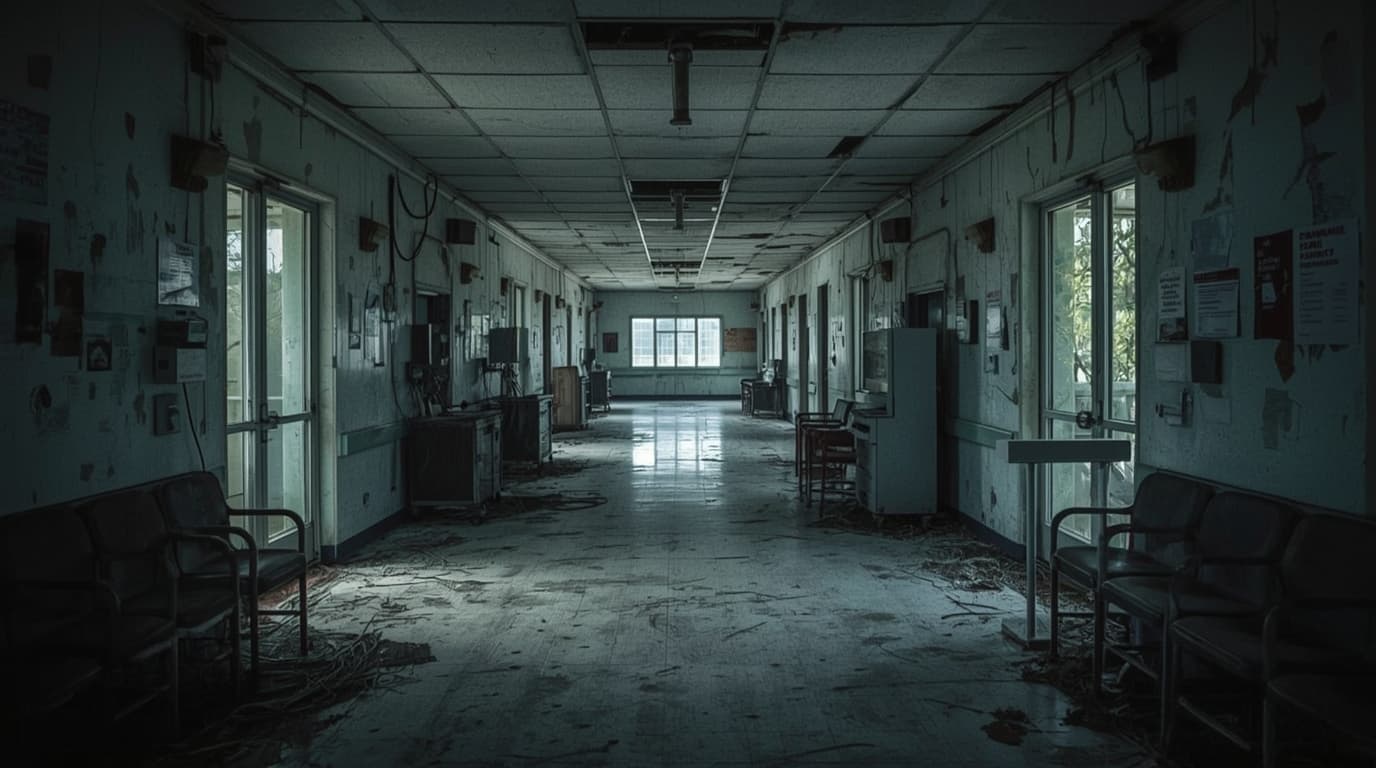
Is there a reliable map of abandoned places in Europe?
Yes. A reliable map of abandoned places in Europe should combine curated listings, practical filters, and clear planning context. The goal is not simply to find more sites. The goal is to identify better-documented abandoned places in Europe while respecting access rules, safety limits, and preservation-first urbex practices.
Quick summary
- A Europe urbex map is most useful when it replaces scattered, unverified location lists.
- Good maps let you filter by country, city, and place type before building a route.
- Responsible urbex starts with access checks, not with coordinates alone.
- Verified and curated data is more useful than raw quantity.
- MapUrbex is designed for preservation-first trip planning across Europe.
Quick facts
- Scope: Europe-wide trip planning
- Best use: Comparing regions, cities, and abandoned place categories
- Useful filters: Country, city, place type, route logic
- Main checks: Legal access, site condition, travel feasibility
- Best users: Responsible explorers, photographers, and road-trip planners
Why use a map of abandoned places in Europe instead of scattered lists?
A map of abandoned places in Europe is better than scattered lists because it turns fragmented information into a planning tool. You can compare locations in context instead of jumping between social posts, old blogs, and incomplete coordinates.
For transactional search intent, that difference is important. People searching for a map des lieux abandonnés Europe or a Europe urbex map usually want a tool they can use now. They do not want to clean messy data by hand.
A structured map also improves route planning. You can spot clusters, estimate drive times, and decide whether a city break or a cross-border road trip makes more sense.
What should a good Europe urbex map include?
A good Europe urbex map should include clear filters, consistent categorization, and enough context to help you decide whether a location is relevant before you travel.
| Feature | Why it matters |
|---|---|
| Country and city filters | Helps narrow results quickly across a large continent |
| Place type categories | Lets you focus on hospitals, factories, mansions, bunkers, or hotels |
| Curated listings | Reduces noise from duplicate, fake, or vague locations |
| Trip-planning context | Helps connect multiple stops into one practical route |
| Safety and legal reminders | Encourages responsible behavior before any visit |
In practice, the strongest carte urbex Europe tools do not only show points on a map. They help answer simple planning questions: Is the place in the right region? Is it worth a detour? Does it fit the theme of your trip?
How can you search a Europe urbex map by country, city, and place type?
The best way to search a Europe urbex map is to start broad and then narrow down. Begin with a country, reduce to a city or region, and only then filter by place type.
For example, a traveler planning one week in Central Europe may first compare Germany, Belgium, and the Czech Republic. After that, the useful question becomes more specific: which city clusters offer several abandoned places Europe travelers can combine in one route?
This method prevents random point collecting. It turns the map into a decision tool rather than a curiosity list.
Which abandoned place categories are most useful for trip planning?
The most useful categories are the ones that match your travel style, time, and risk tolerance. Industrial sites, hospitals, military structures, hotels, mansions, religious buildings, and transport sites all create very different planning needs.
Industrial locations often suit larger route planning because they are common in former manufacturing regions. Hospitals and sanatoriums attract photographers but may require stricter safety judgment. Mansions and villas can fit shorter local trips. Bunkers and military sites often raise stronger legal and ethical questions.
A good map of abandoned places in Europe should help you sort by category so you can avoid wasting time on locations that do not match your goals.
How should you use a carte urbex Europe responsibly?
You should use a carte urbex Europe as a planning reference, not as permission to enter a site. A mapped location does not override property rights, local law, or basic safety limits.
Always verify current access conditions. Never force entry, trespass, vandalize, or put yourself or others at risk. Responsible urbex means preservation first.
This matters even more in Europe because laws differ across borders. A site that seems easy to approach may still be private, monitored, structurally unsafe, or locally sensitive. The best explorers treat good data as a starting point for responsible decisions, not as an excuse to ignore rules.
Which MapUrbex resources should you check next?
The best next step is to compare the available tools and guides before building your route. Start by exploring Browse all urbex maps if you want to see the wider MapUrbex catalog.
If you want a starting point without commitment, use Access the free urbex map. For broader reading, these guides are useful: How to Plan an Urbex Road Trip in Europe, Urbex Map Europe: Find Abandoned Places Across Europe, and Map of Abandoned Places in Europe: The Ultimate Urbex Map with 5,000+ Locations.
Taken together, these resources support a simple workflow: choose a region, filter the most relevant sites, plan a realistic route, and check access and safety before any visit.
FAQ
What is the best map of abandoned places in Europe for trip planning?
The best map is one that offers curated locations, practical filters, and a responsible planning framework. For most users, quality and structure matter more than raw quantity.
Is a Europe urbex map better than social media location lists?
Yes. Social posts are often incomplete, outdated, or designed for attention rather than planning. A structured map is easier to search and compare.
Can you legally visit abandoned places in Europe?
Sometimes, but never assume so. Legal access depends on the country, the property owner, the current condition of the site, and local enforcement. Always verify before you go.
What should you check before adding a place to your route?
Check travel time, legal access, neighborhood context, site condition, and whether the stop actually fits your trip theme. A point on a map is only useful if it is practical and responsible to consider.
Conclusion
A reliable map of abandoned places in Europe is not just a collection of pins. It is a decision tool for finding better locations, building smarter routes, and reducing reliance on outdated or unverified sources.
If you want to explore Europe with a preservation-first mindset, start with curated data, compare regions carefully, and treat every site with caution and respect.
Access the free urbex map
