 MapUrbex
A curated reference list of 50 abandoned factories in the United States, from Detroit auto plants to steel mills, textile complexes, and industrial ruins.
50 Abandoned Factories in the United States: A Curated Top 50
Abandoned factories in the United States tell the story of industrial growth, decline, relocation, and redevelopment. The best-known examples are concentrated in Detroit, the Rust Belt, the Mid-Atlantic, and old textile regions in New England and the South.
This list is informational. It is not an access guide. Many sites are sealed, fenced, dangerous, demolished in part, or on private property, so legal status and physical conditions can change quickly.
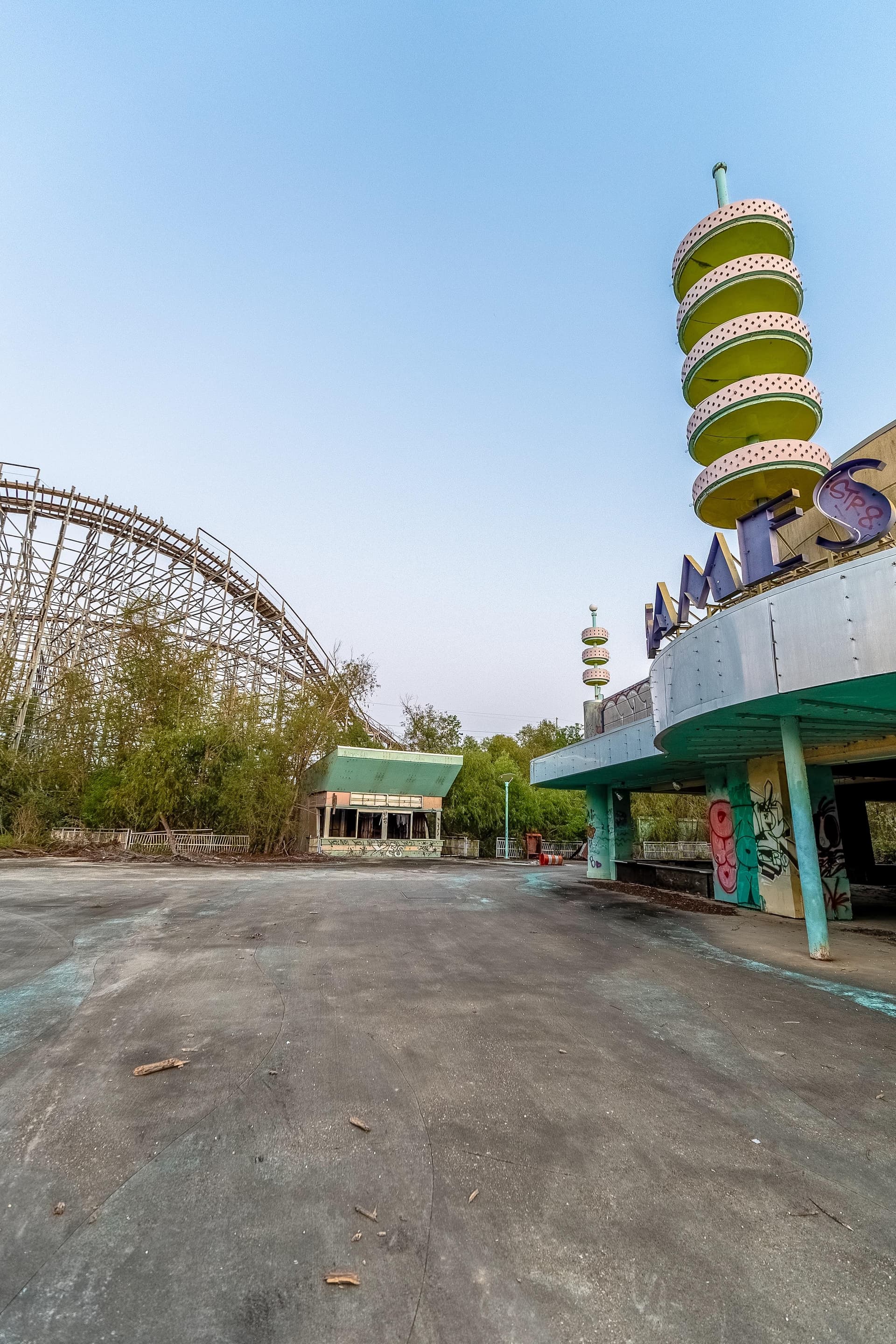
MapUrbex focuses on verified locations, responsible urbex research, and preservation-first mapping. That approach matters even more with abandoned American factories because industrial sites often contain unstable floors, open shafts, chemical residues, and active redevelopment zones.
What are the 50 most notable abandoned factories in the United States?
The most notable abandoned factories in the United States are concentrated in Michigan, Ohio, Pennsylvania, Illinois, New York, Maryland, and former textile corridors in the East and South. The list below brings together 50 of the best-known abandoned American factories, mills, foundries, refineries, and industrial campuses, selected for scale, historical importance, visual impact, and long-term interest among urbex researchers.
Quick summary
- The strongest concentration of abandoned factories in the United States is in the Rust Belt.
- Detroit alone contributes several of the country's most photographed industrial ruins.
- This top 50 includes auto plants, steel works, tanneries, mills, breweries, and refineries.
- Some places are true ruins, while others are partly preserved, fenced, or awaiting redevelopment.
- Responsible research matters because ownership, access rules, and site safety can change fast.
- MapUrbex recommends verification before any trip and a strict preservation-first mindset.
Quick facts
| Item | Detail |
|---|---|
| Scope | United States |
| Format | Curated top 50 list |
| Main regions | Rust Belt, Mid-Atlantic, New England, South, selected Western sites |
| Site types | Auto plants, steel mills, textile mills, refineries, breweries, foundries, industrial campuses |
| Access note | Many locations are restricted, unsafe, or partly demolished |
| MapUrbex approach | Verified locations, responsible urbex, preservation-first |
Which abandoned factories make this top 50 list?
This top 50 prioritizes recognition, industrial scale, architectural atmosphere, and research value. In practice, many searchers use the word "factory" broadly, so this list also includes major mills, foundries, refineries, steel works, and large industrial complexes.
- Packard Automotive Plant, Detroit, Michigan — One of the most iconic abandoned auto factories in the United States.
- Fisher Body Plant 21, Detroit, Michigan — A classic Detroit industrial ruin tied to the city's manufacturing decline.
- Fisher Body Plant 40, Detroit, Michigan — A large former body plant known for long-term abandonment and heavy decay.
- Cadillac Stamping Plant, Detroit, Michigan — A major example of abandoned automotive infrastructure in Detroit.
- Buick City, Flint, Michigan — A vast former General Motors complex associated with the decline of Flint's auto industry.
- Studebaker Manufacturing Complex, South Bend, Indiana — One of the best-known former car manufacturing sites in the Midwest.
- Kingsbury Ordnance Plant, LaPorte County, Indiana — A huge former wartime industrial complex with extensive abandoned remnants.
- Brach's Candy Factory, Chicago, Illinois — A widely recognized abandoned food manufacturing plant in Chicago.
- Joliet Iron Works, Joliet, Illinois — Former ironworks ruins that remain important in industrial heritage research.
- International Harvester Plant, Chicago, Illinois — A major former factory linked to agricultural and heavy equipment production.
- A.O. Smith/Tower Automotive Plant, Milwaukee, Wisconsin — A large abandoned automotive manufacturing site.
- Pfister & Vogel Tannery, Milwaukee, Wisconsin — One of the best-known abandoned tannery complexes in the country.
- Falk Foundry complex, Milwaukee, Wisconsin — A historic heavy-industry site tied to foundry production.
- National Acme Plant, Cleveland, Ohio — A prominent abandoned machine tool factory in Cleveland.
- Warner & Swasey factory complex, Cleveland, Ohio — A major former manufacturing campus with strong industrial heritage value.
- Republic Steel Mill, Youngstown, Ohio — A key symbol of steel decline in the Mahoning Valley.
- Youngstown Sheet and Tube Campbell Works, Campbell, Ohio — Another defining Rust Belt steel site.
- Cambria Iron Works, Johnstown, Pennsylvania — Historic ironworks remains central to Pennsylvania industrial history.
- Huber Breaker, Ashley, Pennsylvania — One of the most famous abandoned coal processing structures in the Northeast.
- St. Nicholas Coal Breaker, Mahanoy City, Pennsylvania — A visually striking anthracite-era industrial ruin.
- Bethlehem Steel Plant, Lackawanna, New York — A major former steel facility near Buffalo with enduring historical importance.
- Bethlehem Steel Sparrows Point, Maryland — One of the largest former steelmaking sites on the East Coast.
- Domino Sugar Refinery, Baltimore, Maryland — A landmark industrial structure tied to refining and port history.
- Roebling Steel Mill, Trenton, New Jersey — A significant former steel and wire manufacturing site.
- American Viscose plant, Marcus Hook, Pennsylvania — A vast former rayon production complex.
- Phoenix Iron Works, Phoenixville, Pennsylvania — A classic Pennsylvania ironworks site with major heritage value.
- Whitin Machine Works, Whitinsville, Massachusetts — A major New England machine-building complex.
- Draper Corporation Factory, Hopedale, Massachusetts — A notable former textile machinery works.
- Lorraine Mills, Pawtucket, Rhode Island — A recognizable abandoned mill complex in a historic textile region.
- Lonsdale Company Mill, Lincoln, Rhode Island — A strong example of New England mill abandonment.
- Graniteville Mill ruins, Graniteville, South Carolina — Former textile industrial remains with historical importance.
- Loray Mill, Gastonia, North Carolina — A well-known Southern textile mill with labor-history significance.
- Dan River Mills complex, Danville, Virginia — A major former textile manufacturing site.
- Avondale Mills site, Sycamore, Alabama — Former mill remains tied to Alabama's industrial past.
- Pullman-Standard plant, Bessemer, Alabama — A significant former railcar manufacturing facility.
- Sloss Furnaces, Birmingham, Alabama — A preserved industrial shell that remains essential in any U.S. factory-ruin overview.
- Lone Star Brewery, San Antonio, Texas — A large former brewing complex often included in abandoned industrial lists.
- Imperial Sugar refinery remains, Sugar Land, Texas — A former refining site with strong historical identity.
- Hughes Tool Company complex, Houston, Texas — A major former industrial campus tied to heavy manufacturing.
- Falstaff Brewery, St. Louis, Missouri — A classic abandoned brewery complex with strong visual appeal.
- Lemp Brewery, St. Louis, Missouri — One of the best-known historic brewery ruins in the country.
- Armour Packing Plant ruins, Kansas City, Kansas — Former meatpacking industrial remains linked to stockyard history.
- Colorado Fuel and Iron plant, Pueblo, Colorado — A landmark Western heavy-industry site.
- Geneva Steel Plant, Vineyard, Utah — A major former steel complex in the American West.
- Kaiser Steel Mill, Fontana, California — One of California's most important former steel sites.
- Mare Island Naval Shipyard workshops, Vallejo, California — Large abandoned industrial workshops with shipbuilding history.
- American Potash plant ruins, Trona, California — Distinctive industrial remains in a desert setting.
- Old Anaconda Smelter site, Anaconda, Montana — A major former smelting landscape tied to copper history.
- ASARCO El Paso Smelter, El Paso, Texas — A recognized former smelting site with strong regional importance.
- Lindale Mill, Lindale, Georgia — A notable Southern mill ruin often cited in textile-abandonment research.
How were these abandoned American factories selected?
These abandoned American factories were selected for historical significance, visual identity, scale, and research value. The goal was not to list every closed plant in the country, but to identify the industrial sites most often cited, photographed, discussed, or referenced in U.S. urbex and industrial heritage research.
The selection used five practical criteria:
- Recognition: the site is widely known among industrial history or urbex researchers.
- Scale: the complex is large enough to matter in regional industrial history.
- Visual impact: the site has a distinctive ruin profile, structure, or atmosphere.
- Industrial relevance: the place represents auto, steel, textile, refining, brewing, or machine production.
- Research interest: the site appears repeatedly in discussions of notable abandoned industrial places.
Which regions have the highest concentration of abandoned industrial sites?
The highest concentration of abandoned industrial sites in the United States is in the Rust Belt and older manufacturing corridors of the Northeast. That pattern reflects deindustrialization, corporate relocation, automation, and changing freight and labor systems over several decades.
- Michigan stands out for abandoned auto plants, especially in Detroit and Flint.
- Ohio and Pennsylvania remain central for steel, machine-tool, and coal-processing ruins.
- Illinois and Wisconsin add major food, foundry, and manufacturing sites.
- New England is defined by former textile mills and machine works.
- The South contributes large mill, railcar, brewing, and refinery sites.
- The West has fewer examples overall, but several major steel, shipyard, and smelter complexes remain well known.
What makes the best abandoned factories historically or visually important?
The best abandoned factories are important because they combine industrial scale with clear historical meaning. A memorable factory ruin usually says something specific about labor history, regional economics, architecture, wartime production, transport, or the collapse of a once-dominant industry.
Common features include:
- very large floorplates or multi-building campuses
- surviving smokestacks, furnaces, conveyors, or water towers
- links to the auto, steel, textile, or refining sectors
- strong photographic geometry such as repetitive windows and long assembly halls
- evidence of transition, such as demolition, stabilization, or partial reuse
How can you research these industrial abandoned places responsibly?
Responsible research starts with verification, not exploration. Many abandoned factories in the United States are on private land, in active redevelopment zones, under environmental restriction, or structurally unsafe.
Use this checklist before any trip planning:
- Verify whether the site still exists in meaningful form.
- Confirm ownership and legal access rules.
- Avoid forced entry, climbing, or entering unstable industrial structures.
- Assume floors, stairs, roofs, pits, and basements may be unsafe.
- Do not remove objects, break seals, or publish sensitive entry details.
- Prioritize preservation and documentation over access.
For broader research, start with Browse all urbex maps. If you want a national overview, compare Urbex Map USA: Verified Abandoned Places Across All 50 States and Abandoned Places in the United States: Full List by State. For current offers, see Urbex Map USA 2026 (Flash Sale).
FAQ
Are all 50 sites still abandoned today?
No. Some sites remain heavily abandoned, some are partly demolished, some are fenced and inaccessible, and some are in slow redevelopment or preservation phases. That is why current verification matters.
Can you legally enter abandoned factories in the United States?
Usually not without permission. Many abandoned factories are private property or controlled sites. Legal entry depends on ownership, site status, and explicit authorization.
Why do so many abandoned factories cluster in the Rust Belt?
The Rust Belt concentrated auto, steel, machining, and heavy manufacturing for decades. When production moved, consolidated, automated, or closed, very large industrial campuses were left behind.
Does MapUrbex provide exact verified locations?
MapUrbex focuses on curated, verified location research and responsible mapping. The platform is built to help users identify real places more reliably while keeping a preservation-first approach.
What is the difference between an abandoned factory and a broader industrial ruin?
In search behavior, the terms overlap. A factory is usually a manufacturing site, while an industrial ruin can also include mills, refineries, foundries, breakers, shipyards, and steel works.
Conclusion
The 50 abandoned factories in the United States that matter most are not limited to one industry or one region. They form a national map of industrial change, from Detroit auto plants and Pennsylvania breakers to Texas refineries and California steel sites. For researchers, the key is accuracy, context, and responsible verification.
Access the free urbex map
