 MapUrbex
A practical guide to urbex Rennes: site types, safety basics, legal reminders, and why a verified urbex map is the best way to plan.
Urbex Rennes: Guide to Abandoned Places and Safe Exploration Tips
Urbex Rennes usually means exploring or photographing abandoned places in Rennes and across nearby parts of Ille-et-Vilaine. Most people searching this topic want reliable site categories, planning advice, and a safer way to find spots.
This guide focuses on responsible urban exploration. It does not promote trespassing or forced entry. Instead, it explains what kinds of locations exist around Rennes, how to prepare, and why a verified map is more useful than random coordinates.
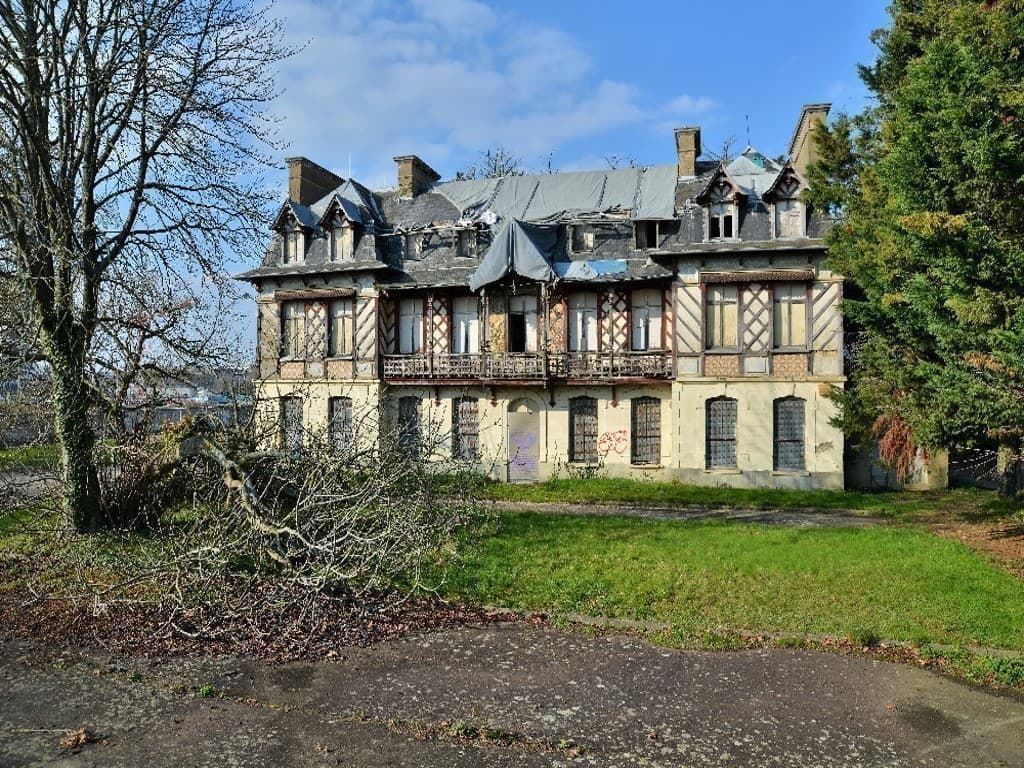
Where should you start with urbex Rennes?
If you want to do urbex Rennes well, start with a verified map, a daylight scouting pass, and a strict no-trespassing rule. Around Rennes, abandoned places can be fragile, partially secured, or on private land. The practical method is to verify the location, assess risks from outside, and avoid publishing or using break-in details.
Quick summary
- Rennes and its outskirts offer varied abandoned places, but many are on private or sensitive land.
- The safest method is to use verified location data instead of old forum posts or random pins.
- Common categories include rural houses, manors, workshops, farms, and unused service buildings.
- Beginners should prioritize daylight scouting, stable weather, and simple exits.
- Responsible urbex means no forced entry, no vandalism, and no removal of objects.
- MapUrbex is most useful when you want curated, preservation-first planning.
Quick facts
| Topic | Practical answer |
|---|---|
| Main search intent | Find reliable abandoned places in Rennes and plan a visit |
| Best starting point | A verified urbex map with updated notes |
| Typical site types | Houses, manor-like properties, workshops, farms, service buildings |
| Legal baseline | Respect ownership, signage, and local restrictions |
| Safety baseline | Scout first, go in daylight, and never force access |
| Wider area | Rennes plus nearby parts of Ille-et-Vilaine |
What kinds of abandoned places can you expect in Rennes?
In Rennes, the urbex landscape is usually more mixed than monumental. You are more likely to encounter former homes, edge-of-city premises, rural outbuildings, small industrial traces, and disused institutional spaces than giant factory complexes.
That matters because site condition varies a lot. A small abandoned house can be more unstable than a larger warehouse. A rural property can also be more exposed to legal and neighbor scrutiny than an urban shell. Good planning depends on type, not just distance.
| Place type | What explorers usually value | What to watch for |
|---|---|---|
| Abandoned houses | Atmosphere, furniture traces, local history | Rotten floors, neighbors, private land |
| Old manors or rural estates | Architecture, decay, photo interest | Structural damage, sealed areas, surveillance |
| Workshops and depots | Industrial details, textures, large rooms | Glass, metal hazards, hidden drops |
| Farms and outbuildings | Wide settings, layered decay | Animal risks, unstable roofs, mud |
| Service or institutional sites | Urban context, easy scouting | Security, asbestos risk, restricted access |
For a broader overview, see Urbex in Rennes: guide to abandoned places in and around the city.
How do you prepare a safe and legal urban exploration trip in Rennes?
The short answer is simple: prepare more than you walk. For urbex Rennes, the real work happens before you leave home.
Start with location verification. A pin without context is not enough. You want recent status notes, access context, and signs that a place still exists in abandoned condition. This is why curated resources are more practical than copied coordinates.
Then do an exterior scouting pass. Check boundaries, visible entry conditions, roof condition, and nearby activity. If the place is fenced, clearly occupied, or actively monitored, stop there.
Pack lightly and conservatively:
- charged phone
- flashlight
- solid shoes
- gloves
- water
- dust mask if conditions justify it
Avoid risky behavior. Do not enter alone if you are inexperienced. Do not climb for photos. Do not touch suspect materials. Leave immediately if the structure feels unstable or if you discover clear legal restrictions.
If you want a planning-first approach, Browse all urbex maps is the best next step.
When is the best time for urban exploration in Rennes?
The best time for urban exploration Rennes is usually during dry weather and with enough daylight for entry and exit. In practical terms, that often means avoiding heavy rain periods and late low-light sessions.
Rennes and Brittany can be wet for long stretches. Moisture changes surfaces quickly. Floors get softer, stairs become slippery, and visibility drops. Even a familiar site can feel completely different after several rainy days.
For beginners, morning or early afternoon is more manageable than sunset sessions. You can inspect hazards better, navigate out more easily, and make clearer legal decisions from the exterior.
Why use a curated map instead of random coordinates?
A curated map reduces uncertainty. That is the main reason people looking for abandoned places in Rennes end up preferring verified sources.
Random coordinates often fail for four reasons:
- the site is gone
- the site is occupied again
- the site was never accurately identified
- the access information encourages unsafe or illegal behavior
MapUrbex is built around verified locations, responsible urbex, and preservation-first use. The goal is not to push people into sensitive sites. The goal is to help them sort real places from outdated noise and plan more carefully.
You can also read Urbex Rennes: Guide to Abandoned Places and Safety Checklist for a complementary planning framework.
How does Rennes compare with the rest of Ille-et-Vilaine?
Rennes is usually the easiest starting hub in Ille-et-Vilaine because it has transport, services, and a broad ring of surrounding terrain. The department as a whole often offers more dispersed rural locations than dense inner-city ruins.
That means expectations should stay realistic. If you are searching for huge abandoned factories, Rennes may feel limited. If you value mixed site types, short travel times, and day-trip planning, it is a practical base.
The keyword "urbex Ille-et-Vilaine" matters because many worthwhile spots are not in the city center. They are in the wider travel radius around Rennes.
FAQ
Is urbex legal in Rennes?
Urban exploration is not a blanket legal activity. In Rennes, as elsewhere in France, property rights, signage, local restrictions, and site status matter. If a place is private, secured, or clearly off-limits, do not enter.
What are the most common risks in abandoned places around Rennes?
The most common risks are unstable floors, broken glass, moisture damage, hidden holes, and changing site status. Rural locations can also bring mud, animals, and poor mobile signal.
Do you need exact coordinates to plan urbex Rennes?
No. Exact coordinates without context are often less useful than verified notes. A reliable map, legal awareness, and current condition updates are better planning tools than a raw pin.
Can beginners do urban exploration in Rennes?
Yes, but only with conservative standards. Beginners should choose easy exterior scouting, daylight visits, simple terrain, and clear exit routes. If anything feels uncertain, stop.
Conclusion
Urbex Rennes is best approached as careful planning, not location chasing. The city and its surroundings offer real variety, but the useful skill is knowing how to verify a place, judge risk, and respect boundaries.
For searchers who want abandoned places in Rennes without the noise of outdated forum data, a verified map is the clearest next step.
Get the free map
Access the free urbex map
