 MapUrbex
A practical guide to urbex in Spain, including common abandoned site types, legal limits, safety basics, and responsible trip planning with MapUrbex.
Urbex in Spain: Responsible Guide to Abandoned Places
Spain is one of Europe's most varied countries for urban exploration research. Its abandoned places range from industrial sites and rural villages to half-finished developments and isolated hotels.
That variety makes urbex in Spain compelling, but it also makes context essential. Ownership, access, condition, and local sensitivity change from one region to another.
MapUrbex approaches the subject with a preservation-first mindset. The goal is to document places responsibly, avoid harm, and prioritize verified information over rumor.
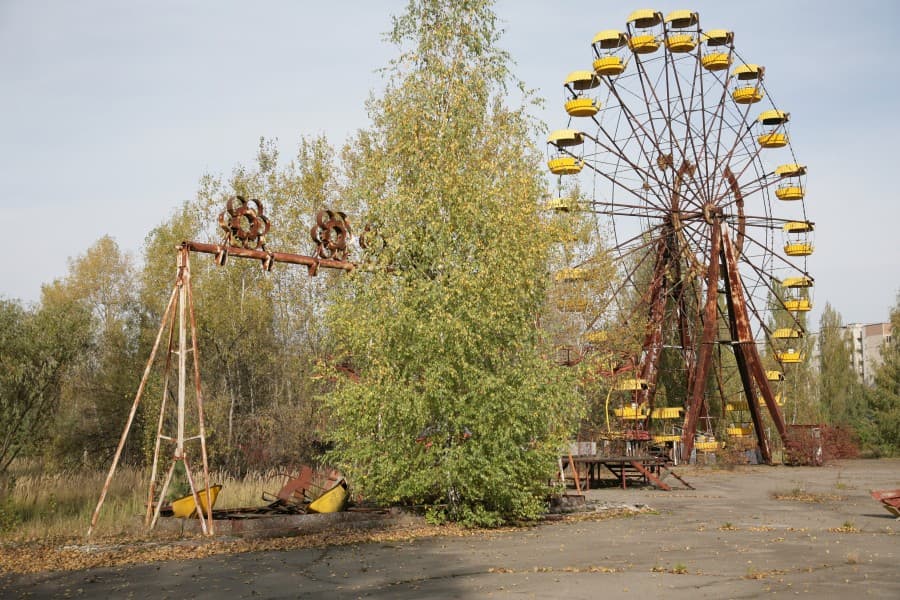
What is urbex in Spain and what should you expect?
Urbex in Spain means researching and documenting abandoned or disused places across the country, from ghost developments to old factories and rural ruins. What you should expect is variety, not easy access: many sites are private, unstable, or monitored, so responsible exploration in Spain starts with legality, safety, and strong preparation.
Quick summary
- Spain offers a wide mix of abandoned places, including industrial sites, unfinished housing projects, hotels, mines, and depopulated villages.
- The best urban exploration in Spain combines historical context, legal caution, and on-the-ground verification.
- Many well-known sites are on private land or in dangerous condition. Public viewpoints are often the safest legal option.
- Regional differences matter. Coastal overdevelopment, inland depopulation, and industrial decline created different site types.
- Responsible urbex in Spain means no forced entry, no vandalism, and no publication of sensitive access details.
- Curated tools such as Browse all urbex maps help organize research more reliably than scattered social posts.
Quick facts
| Topic | Key point |
|---|---|
| Country scope | Spain has highly varied abandoned landscapes across urban, coastal, industrial, and rural regions. |
| Common site types | Factories, railway assets, resorts, villages, military remains, and stalled real-estate projects. |
| Legal baseline | Enter only where you have a legal right to be. Private property and restricted zones remain off-limits. |
| Main risks | Structural collapse, asbestos, broken glass, shafts, fire damage, heat, and isolation. |
| Best approach | Research first, verify location status, use daylight, and prefer observation from public space when access is unclear. |
| MapUrbex role | Curated maps and verified context designed for responsible urbex planning. |
Why does Spain attract urbex photographers and researchers?
Spain attracts urbex researchers because its abandoned places reflect several overlapping historical processes. Industrial restructuring, rural depopulation, speculative construction, tourism booms, and infrastructure change all left visible traces.
The result is not one single urbex landscape. Northern industrial areas, interior villages, Mediterranean coastlines, and tourist zones each tell different stories.
That is why a good guide to abandoned places in Spain should focus less on sensation and more on context. The most useful locations are often the ones that explain a broader economic or social shift.
Which abandoned places are most common in Spain?
The most common abandoned places in Spain are unfinished housing developments, closed factories, rural ruins, railway remnants, isolated hospitality sites, and semi-deserted villages. Exact patterns depend on region and local history.
Along the coast, stalled real-estate projects and empty resort infrastructure are especially visible. Inland, you are more likely to find depopulated settlements, agricultural structures, and disused civic buildings.
Industrial cities and mining zones can add warehouses, workshops, power infrastructure, and workers' housing. These sites may look accessible in photos, but condition changes quickly and many remain legally protected or privately owned.
What legal and safety issues matter for urbex in Spain?
The main legal issue for urbex in Spain is simple: abandonment does not mean permission. A place can be unused for decades and still be private property, fenced, watched, or subject to local restrictions.
The main safety issue is instability. Floors, stairwells, roofs, pits, and contaminated materials can turn a photogenic site into a serious hazard in seconds.
A responsible baseline is clear:
- Never trespass or force entry.
- Never damage locks, barriers, or windows.
- Do not remove objects or disturb archives.
- Avoid publishing precise entry methods.
- Leave immediately if security, owners, or residents object.
- Treat every structure as unsafe unless verified otherwise.
For many abandoned places in Spain, the safest and most ethical option is documentation from public roads, public paths, or official viewpoints.
How can you plan a responsible urbex trip in Spain?
Plan a responsible urbex trip in Spain by separating research from access. Start with historical interest, then verify present-day status, then decide whether the place can be observed legally and safely.
A practical workflow looks like this:
- Define the type of site you want to study: industrial, rural, hotel, military, or ghost development.
- Check whether the site is still active, repurposed, demolished, or sealed.
- Review satellite imagery and recent reports with caution, because old content ages badly.
- Favor daylight visits and avoid solo trips in remote terrain.
- Bring basic safety gear for observation, not for breaching.
- Keep a backup plan in case the site is inaccessible.
If you are building a larger Spain itinerary, Browse all urbex maps is a useful starting point for comparing regions and themes.
Which Spain-related urbex themes are worth researching?
The most useful Spain urbex themes are the ones that connect places to broader patterns. Instead of chasing only isolated ruins, research clusters that explain how abandonment happened.
Three themes stand out:
- Coastal overdevelopment and contested hospitality projects
- Ghost urbanizations linked to the real-estate bubble
- Industrial and transport decline outside major tourist narratives
For example, Abandoned Hotel El Algarrobico in Spain: History, Scandal, and Urbex Context is relevant because it combines architecture, environmental conflict, and legal controversy.
Likewise, Ghost Towns in Spain: What the Housing Bubble Left Behind explains why some Spanish landscapes contain streets, blocks, or developments that never fully became lived places.
If you want a broader overview of notable sites, Urbex in Spain: 10 of the Most Mysterious Abandoned Places offers a thematic starting list.
How does MapUrbex help you explore Spain more responsibly?
MapUrbex helps by reducing guesswork. Instead of relying only on outdated forum posts or vague social media pins, users can work from curated maps, verified location data, and a preservation-first approach.
That matters in Spain because site status changes fast. Demolition, redevelopment, fencing, fire, and security upgrades can make old information misleading.
MapUrbex is designed for people who want better research, not reckless access. The platform prioritizes context, responsible planning, and respect for places.
FAQ
Is urbex legal in Spain?
Urbex is not automatically legal in Spain. The decisive issue is permission and access status, not whether a building looks abandoned. Enter only where you have a legal right to be.
Which regions in Spain have the most abandoned places?
Different regions have different patterns rather than one single hotspot. Coastal areas often show resort and construction abandonment, while inland provinces more often contain rural ruins and depopulated settlements.
Are ghost towns in Spain good urbex targets?
They are important research subjects, but not automatically suitable visit targets. Some are private, partially inhabited, or structurally unsafe. Treat them as sensitive landscapes rather than open playgrounds.
What should you never do during urban exploration in Spain?
Never trespass, force entry, steal objects, tag walls, move artifacts, or publish entry tricks. Responsible urbex protects both the place and the people around it.
Is MapUrbex useful even if I only want legal viewpoints?
Yes. Many users want context, mapping, and route planning for public-space observation rather than interior access. That approach is often the safest and most sustainable one.
Conclusion
Urbex in Spain is compelling because the country's abandoned places reveal real stories about tourism, industry, migration, and speculative growth. The best guide to Spain's abandoned places is therefore not a list of shortcuts, but a method: research carefully, verify constantly, and respect every boundary.
When in doubt, choose the option that preserves the site, protects your safety, and keeps local communities out of harm.
Access the free urbex map
