 MapUrbex
A practical guide to urbex in Italy, with map-based planning, common site types, legal reminders, and responsible exploration advice.
Urbex in Italy: Map of Abandoned Places and Practical Tips
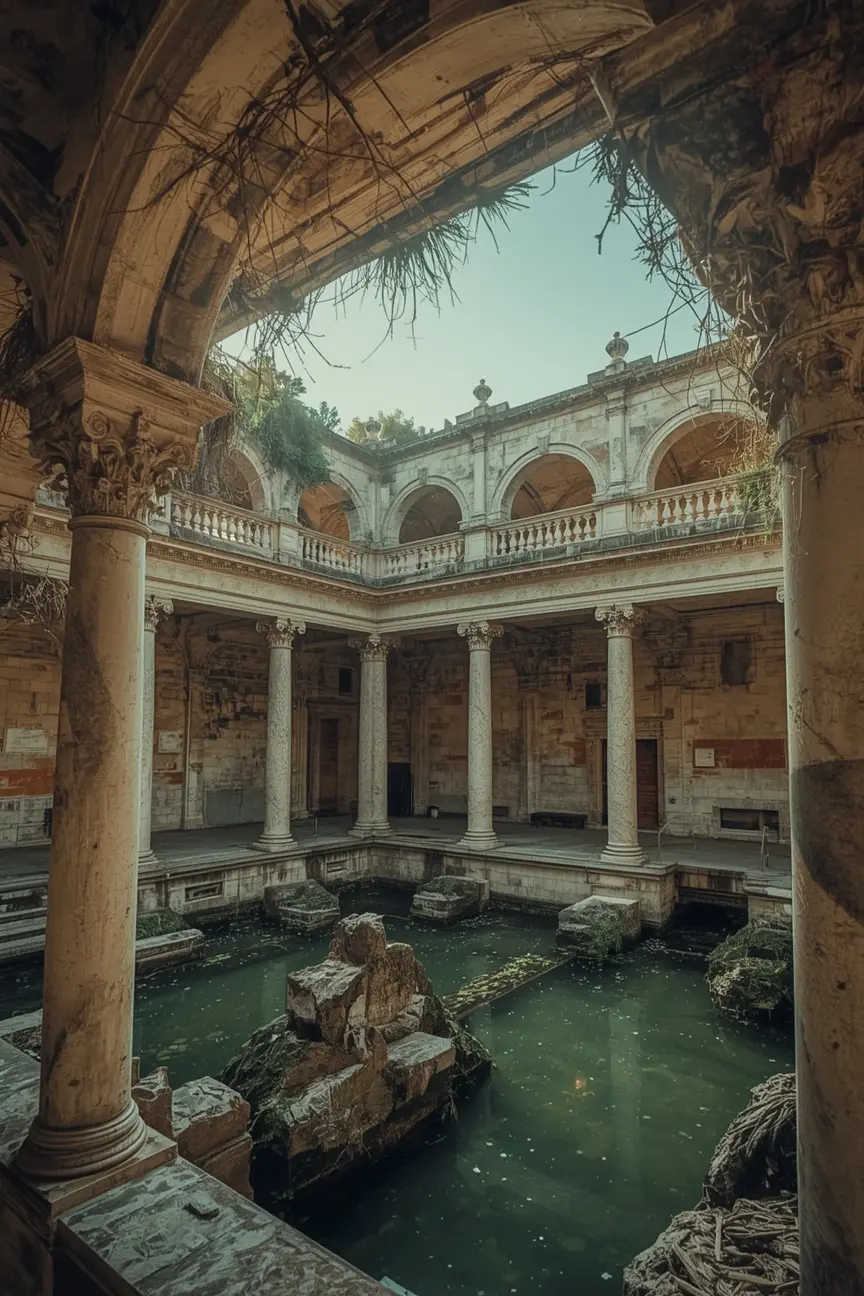
Urbex in Italy attracts photographers, historians, and explorers because the country has a wide mix of abandoned villas, factories, hospitals, hotels, and thermal sites. The challenge is not finding the idea of a place. The challenge is finding reliable, current, and responsibly documented information.
A good urbex approach in Italy starts with a curated map, careful verification, and a clear respect for property, safety, and heritage rules. That is where MapUrbex is useful: verified locations, responsible exploration standards, and preservation-first map curation.
What is the best way to do urbex in Italy?
The best way to do urbex in Italy is to use a verified urbex map, confirm legal access conditions before travel, and prioritize low-impact exploration. In practice, that means checking whether a site is private, protected, or unsafe, avoiding forced entry, and planning around daylight, weather, and structural risk rather than chasing viral locations.
Quick summary
- A curated urbex map of Italy helps you filter outdated, unsafe, or overexposed locations.
- Italy offers many types of abandoned places, from industrial sites to villas and former thermal complexes.
- Legal status varies by owner, municipality, and heritage protection rules.
- Responsible urbex means no trespassing, no forced access, no damage, and no removal of objects.
- North, central, and southern Italy each have different site patterns and travel logistics.
- Map-based planning saves time and reduces unnecessary risk.
Quick facts
- Primary use case: finding abandoned places in Italy with better location context
- Best planning tool: a curated urbex map with verification notes
- Common site types: factories, villas, hospitals, hotels, military remnants, spas
- Main risks: unstable floors, broken glass, asbestos, water damage, exposure, legal issues
- Best practice: visit only where access is lawful or explicitly authorized
- Useful starting points: Browse all urbex maps and Access the free urbex map
Why use an urbex map for Italy?
An urbex map for Italy is useful because raw lists of coordinates quickly become outdated. Abandoned places change ownership, get sealed, collapse, or become actively monitored. A map is only valuable if it is curated and checked.
For a country as large and regionally diverse as Italy, a map also adds travel context. You can compare clusters, road access, distance between sites, and the likely type of location in each area. That helps you plan efficiently without relying on random social posts.
MapUrbex focuses on verified locations and responsible exploration. That matters because visibility alone is not quality. A popular location can still be inaccessible, unsafe, or legally sensitive.
Which abandoned places can you find in Italy?
Italy has a broad range of abandoned places, and the variety is one reason urbex Italy is so popular. The most common categories include industrial buildings, rural houses, aristocratic villas, medical facilities, schools, hotels, and former thermal or leisure complexes.
Some regions are known for industrial decline and large utility buildings. Others are more associated with empty villas, mountain structures, seaside hotels, or agricultural compounds. The architecture also changes strongly by region, which makes the country visually diverse for photography and documentation.
What matters most is not only the type of site, but its current condition. Two abandoned hospitals may look similar online but differ greatly in ownership, access, and structural stability.
How should you plan a responsible urbex trip in Italy?
You should plan a responsible urbex trip in Italy by treating verification as the first step, not the last. Responsible exploration begins before arrival.
Use this sequence:
- Identify a site category and region.
- Check current status on a reliable urbex map.
- Verify whether the place is private, protected, or restricted.
- Review weather, daylight, parking, and walking access.
- Prepare basic safety gear for legal exterior observation or authorized entry.
- Leave immediately if the site appears occupied, sealed, or unstable.
This approach reduces risk and supports preservation. It also makes your trip more efficient, especially if you are covering several areas in one route.
Where are the main urbex areas in Italy?
The main urbex areas in Italy are spread across the north, center, south, and islands, but the site mix changes by region. Northern areas often attract interest for industrial heritage. Central areas combine historic buildings and institutional sites. Southern areas and coastal zones may include hospitality sites, villas, and smaller compounds.
The table below is a planning aid, not a list of entry-ready spots.
| Area of Italy | Common abandoned place types | What to verify first |
|---|---|---|
| North | factories, warehouses, worker housing, clinics | ownership changes, fencing, redevelopment |
| Center | villas, schools, hospitals, rural estates | heritage restrictions, active neighbors, parking |
| South | hotels, villas, agricultural buildings, small industry | road access, weather exposure, local monitoring |
| Islands and coastal areas | resorts, military remnants, service buildings | seasonal traffic, protected zones, erosion |
If you want city-specific context, see Urbex Italy: Guide to Abandoned Places in Rome, Milan, and Naples.
What legal and safety points matter most in Italy?
The most important legal and safety point in Italy is simple: abandoned does not mean free to enter. Many places are still private property, and some are protected heritage sites or actively monitored premises.
A responsible explorer should never force access, bypass locks, damage barriers, remove objects, or publish information that invites vandalism. If permission is required, permission is required.
From a safety perspective, the most common hazards are:
- rotten floors and stairs
- broken glass and sharp metal
- asbestos, mold, and dust
- hidden shafts, basements, and roofs
- water damage and electrical remnants
- poor mobile signal in remote areas
If conditions are unclear, the correct decision is to stop. Preservation-first urbex is not about taking maximum risk. It is about documenting places without adding harm.
Which MapUrbex resources help you prepare?
The most useful MapUrbex resources are the curated maps and practical country guides. They help you understand where abandoned places in Italy are concentrated, what kind of sites you may encounter, and how to prepare responsibly.
Useful starting points:
- Browse all urbex maps
- Access the free urbex map
- Urbex Italy: 5 Best Abandoned Places and How to Access Them Responsibly
- Urbex Italy: Guide to Abandoned Places in Rome, Milan, and Naples
- Urbex Italy: Guide to Abandoned Places and Responsible Exploration
FAQ
Is urbex in Italy legal?
Urbex in Italy is not automatically legal. Legality depends on ownership, access rights, local restrictions, and heritage status. Never assume that an abandoned building is open to the public.
What is the best urbex map for Italy?
The best urbex map for Italy is one that is curated, updated, and built around verification rather than volume. That is the key difference between a useful research tool and a random location dump.
What kinds of abandoned places are common in Italy?
Common abandoned places in Italy include factories, villas, hospitals, hotels, schools, rural estates, and former thermal or leisure sites. The mix varies by region.
How can I reduce risk during urban exploration in Italy?
You can reduce risk by checking current site status, avoiding forced entry, going only where access is lawful, using daylight, monitoring weather, and turning back when a place looks occupied or structurally unsound.
Should I share exact locations publicly?
Not by default. Publicly exposing fragile places can lead to vandalism, theft, and rapid closure. Preservation-first sharing is usually the more responsible choice.
Conclusion
Urbex in Italy is best approached as a research task, not a treasure hunt. A reliable urbex map of Italy helps you save time, avoid outdated leads, and focus on places that fit responsible exploration standards.
If your goal is to find abandoned places in Italy while respecting safety, legality, and preservation, start with curated information instead of improvised coordinates.
Access the free urbex map
