 MapUrbex
A practical guide to urbex in Belgium: where to find abandoned factories, castles and forgotten buildings, how to explore responsibly, and how curated maps help you save time.
Urbex Belgium: Abandoned Factories, Castles and Forgotten Buildings
Belgium is one of the most searched urbex destinations in Europe for a simple reason: it concentrates a high number of abandoned places in a relatively small country. Former factories, old hospitals, neglected chateaux, and forgotten transport sites can often be found within the same trip.
That density makes urbex Belgium attractive, but it also creates noise. Many online tips are outdated, incomplete, or push people toward risky behavior. A better approach is to use verified information, stay within the law, and treat every location as part of a fragile heritage landscape.
If your goal is to save time and focus on responsible urban exploration, this guide explains what you can realistically expect in Belgium and how curated maps help you plan better.
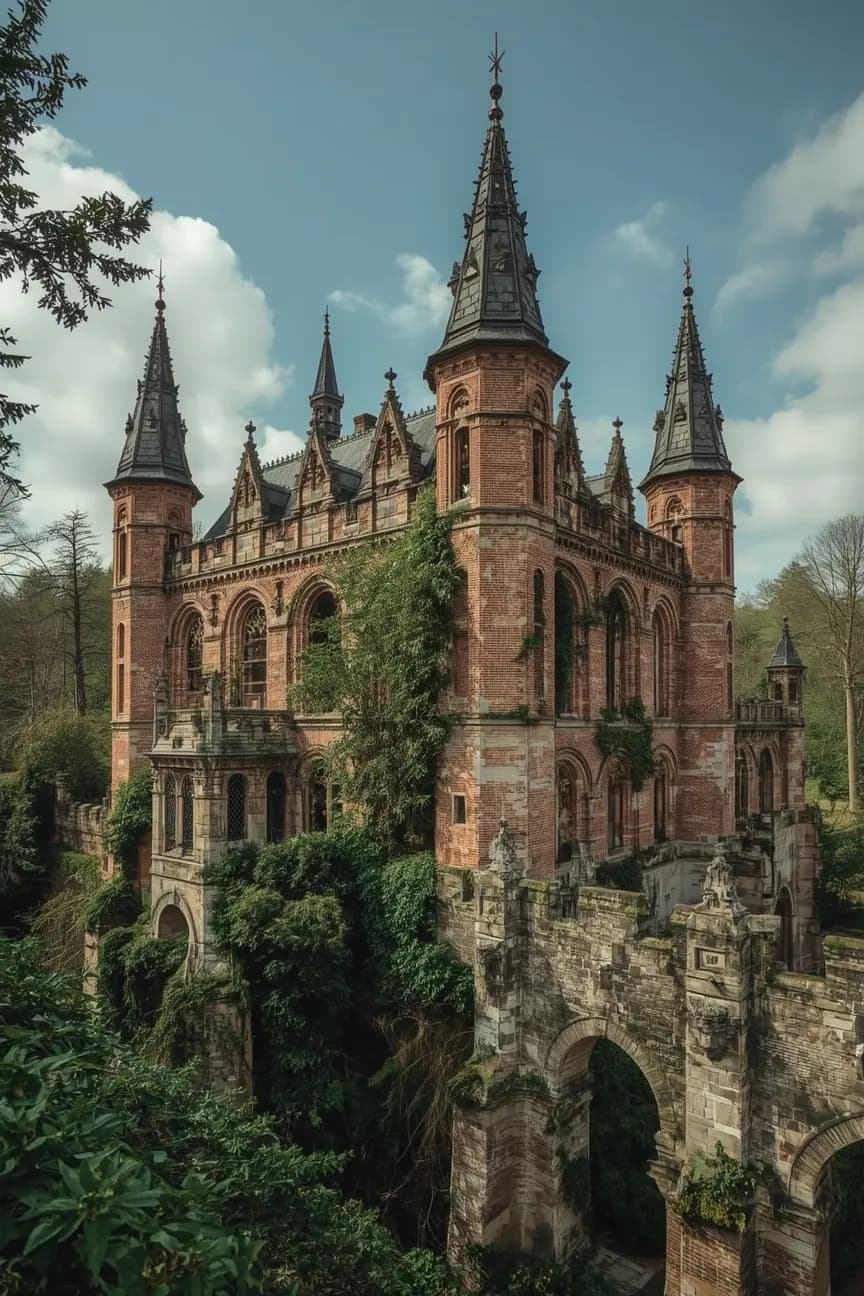
What is the best way to do urbex in Belgium?
The best way to do urbex in Belgium is to use verified, current information, confirm legal status before visiting, prioritize exterior observation or authorized access, and avoid any place that requires trespassing, forced entry, or unsafe movement. Belgium has many abandoned factories, castles, and forgotten buildings, but the most reliable urbex experience comes from careful planning and preservation-first choices.
Quick summary
- Belgium is a major urbex country because industrial, medical, transport, and aristocratic ruins are concentrated in short travel distances.
- The most common site types are abandoned factories, castles, hospitals, farms, schools, and military-related structures.
- Wallonia is especially known for industrial heritage, while other regions offer smaller forgotten buildings and mixed-use sites.
- Many famous locations online are closed, demolished, monitored, or legally sensitive, so current verification matters.
- Responsible urbex means no trespassing, no forced access, no vandalism, and no publication of sensitive details that increase damage.
- A curated map reduces wasted trips by filtering outdated pins and highlighting planning value instead of hype.
Quick facts
| Topic | Key point |
|---|---|
| Country focus | Belgium |
| Main keyword | Urbex Belgium |
| Common site types | Abandoned factories, castles, hospitals, farms, warehouses, forgotten buildings |
| Best planning approach | Verified location data and legal checks |
| Main risk factors | Trespassing, structural decay, surveillance, demolition, asbestos, unstable floors |
| Best fit for travelers | People who want curated, responsible, efficient trip planning |
Why is Belgium so popular for urbex?
Belgium is popular for urbex because it combines industrial history, dense transport networks, and a long record of economic and architectural change. In practice, that means explorers can encounter former steel and mining infrastructure, manor houses, institutional buildings, and disused commercial sites without crossing huge distances.
Another reason is visual variety. A single Belgium urbex route may include brick factories, decaying chapels, Art Deco interiors, concrete workshops, and overgrown estates. That diversity matters for photographers, historians, and travelers looking for more than one style of abandoned place.
Belgium is also highly visible online. Many iconic images from European urban exploration came from Belgian factories, hospitals, or chateaux. The problem is that visibility often outlasts access. A site that appears in galleries or videos may now be sealed, renovated, demolished, or closely monitored.
That is why responsible planning is more useful than chasing viral names.
Which abandoned places can you find in Belgium?
Belgium offers a broad range of abandoned places, but industrial sites and old institutional buildings are the categories people search most. Castles and manor houses are also a strong part of the country's urbex identity.
Common categories include:
- Abandoned factories and workshops
- Former hospitals and care institutions
- Chateaux, manor houses, and abandoned castles
- Empty schools, convents, and administrative buildings
- Disused farms and rural outbuildings
- Forgotten railway, depot, or warehouse structures
Abandoned factories are especially important in Belgium because the country has deep industrial roots. These sites often attract attention for scale, machinery remains, and weathered textures. However, they are also among the most dangerous categories because of unstable flooring, broken roofing, contaminated materials, and active security.
Abandoned castles in Belgium attract a different audience. They are searched for their architecture, furniture remnants, staircases, and symbolism. Yet they are often private property, and many have accelerated decay due to theft, fires, or redevelopment pressure.
Forgotten buildings are the broadest category. The term covers everything from empty civic structures to minor commercial ruins. They may be less famous than headline chateaux, but they often tell a clearer story about local economic change.
Where are the main urbex regions in Belgium?
The main urbex regions in Belgium are usually discussed through historical patterns rather than tourist regions. Wallonia is particularly associated with industrial ruins, while Flanders and Brussels-related areas tend to offer a different mix of smaller sites, transport-linked structures, and scattered institutional buildings.
Wallonia stands out because of its mining and manufacturing past. Former industrial belts created a landscape where large abandoned complexes became more common than in many neighboring countries. This is one reason searches for abandoned factories in Belgium are so frequent.
Flanders often appears less dramatic in urbex mythology, but that does not mean it lacks abandoned places. Instead, the site profile can be more fragmented: farms, schools, detached villas, utility buildings, and smaller industrial remnants.
In and around Brussels, the challenge is different. Density, surveillance, redevelopment, and legal sensitivity are usually higher. That makes reliable pre-trip filtering even more important.
If you want a practical starting point, Browse all urbex maps is the fastest way to compare planning options before building a route.
How do you choose a responsible urbex location in Belgium?
A responsible urbex location in Belgium is one you can assess clearly for legality, condition, and preservation impact before you go. If access depends on trespassing, bypassing barriers, or entering an obviously dangerous structure, it is not a responsible choice.
Use this filter before adding any pin to your trip:
- Check whether the place is private, public, active, or clearly restricted.
- Look for current signs of demolition, renovation, fencing, or surveillance.
- Prefer locations with value from legal viewpoints, exterior photography, or documented access.
- Avoid places known for repeated break-ins or heavy social media exposure.
- Never force doors, windows, gates, or panels.
- Leave the site exactly as found.
This preservation-first method is not only safer. It also improves trip quality. You spend less time on dead leads and more time on locations that still have real documentary value.
For a wider overview, read Belgium Urbex Map: Best Abandoned Places and Responsible Exploration Guide.
What makes castles, industrial sites, and forgotten buildings different to visit?
These categories differ mainly in legal sensitivity, physical risk, and what visitors hope to document. Castles attract attention for architecture, factories for scale, and forgotten buildings for local historical texture.
Abandoned castles
Abandoned castles in Belgium are visually striking, but they are often poor choices for careless visitors. They tend to be private estates, structurally weakened, and heavily exposed online. Even when the shell remains photogenic, interiors may be dangerous or stripped.
Industrial ruins
Industrial ruins are central to urbex Belgium, especially in former production regions. They can be historically rich, but they also present the highest technical risks: drops, metal corrosion, hidden pits, broken glass, and harmful dust.
Forgotten buildings
Forgotten buildings are usually less famous and sometimes more informative. A small station building, empty school, or rural workshop can reveal more about everyday decline than a widely shared mansion. They are often better suited to route-based exploration because they can be combined with legal exterior observation.
If your priority is factories and hospitals, see Urbex Belgium: Top 30 Abandoned Factories and Hospitals to Explore.
How can a curated urbex map save time in Belgium?
A curated urbex map saves time in Belgium by reducing outdated leads and helping you evaluate a location before you drive to it. That matters in a country where many famous abandoned places change status quickly.
A good map is not just a list of pins. It should help answer practical questions:
- Is the location still relevant?
- Is the place known mainly for exterior value or interior hype?
- Does it fit a factory route, castle route, or mixed heritage day trip?
- Is it overexposed or more suitable for careful documentation?
- Does the listing support responsible exploration principles?
MapUrbex is built around verified locations, curated selection, and preservation-first use. The goal is not to send people toward reckless access. The goal is to help travelers and photographers plan smarter and reduce avoidable mistakes.
For the responsibility framework behind that approach, read Urbex Belgium: Responsible Guide to Abandoned Places and Urban Exploration.
What should you remember before planning an urbex trip in Belgium?
The main thing to remember is that abandoned does not mean accessible, legal, or safe. That sentence summarizes most urbex mistakes in Belgium.
Keep these rules in mind:
- Do not trespass.
- Do not force entry.
- Do not remove objects.
- Do not publish sensitive access details.
- Do not assume an online report is still current.
- Do not confuse aesthetic decay with low risk.
Belgium rewards careful preparation. It does not reward improvisation.
FAQ
Is Belgium good for urbex?
Yes, Belgium is one of the strongest European countries for urbex variety. It is especially known for abandoned factories, old hospitals, castles, and forgotten institutional buildings. The key limitation is that access conditions change quickly, so verified planning matters.
Are there many abandoned castles in Belgium?
Yes, abandoned castles and manor houses are a major part of Belgium's urbex image. However, many are private property, deteriorated, or heavily exposed online, so they should be approached with strong legal and safety caution.
What is the best type of urbex site for a first Belgium trip?
For a first trip, lower-risk and better-documented locations are usually the best choice. Exterior viewpoints, legally accessible heritage areas, and carefully filtered map entries are safer than chasing famous interiors.
Why do people use a Belgium urbex map instead of random online lists?
People use a Belgium urbex map because random lists are often outdated or copied from old reports. A curated map helps filter noise, compare site types, and plan more efficient routes.
Is responsible urbex compatible with photography?
Yes. Responsible urbex and photography work well together when the focus is documentation, respect for property, and preservation. The strongest images do not require vandalism, theft, or dangerous access.
Conclusion
Urbex Belgium remains a major reference point for abandoned factories, castles, and forgotten buildings in Europe. Its appeal comes from density, diversity, and strong industrial and architectural history.
But that same popularity makes careful filtering essential. Famous places change fast, legal sensitivity varies, and unsafe advice spreads easily. A responsible, verified, preservation-first method is the most reliable way to plan.
If you want better trip preparation instead of guesswork, curated mapping is the practical next step.
Access the free urbex map
