 MapUrbex
A clear guide to urbex and literature, with 8 major types of novels inspired by abandoned places and the storytelling techniques behind them.
Urbex and Literature: 8 Types of Novels Inspired by Abandoned Places
Urbex and literature meet in the same emotional terrain: silence, memory, decay, and traces of former lives. Writers return to abandoned sites because these places compress history into a visible setting.
For readers, ruins are not just background. They create tension, suggest missing stories, and make architecture behave like a character. That is why novels inspired by abandoned places continue to attract readers across gothic fiction, social realism, dystopia, and psychological fiction.
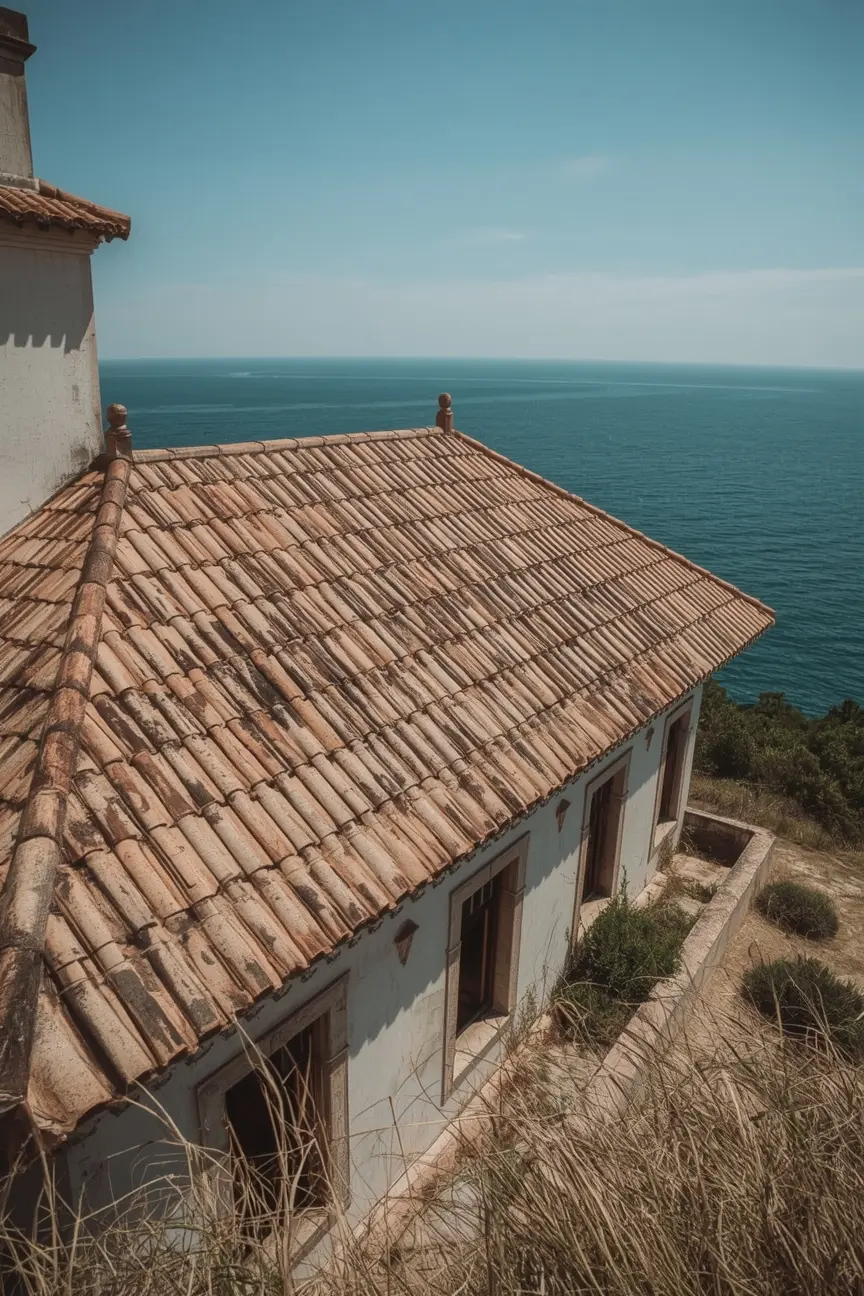
What is the connection between urbex and literature?
Urbex and literature are linked by observation. Explorers read real abandoned places through detail, while novelists turn the same details into mood, conflict, memory, and symbolism. In practice, fiction and abandoned places fit naturally together because ruins stage absence, secrecy, social change, and the visible passage of time.
Quick summary
- Urbex and literature connect through atmosphere, memory, and close attention to space.
- Novels inspired by abandoned places often use ruins to express loss, mystery, decline, or renewal.
- There is no single canon of "urbex fiction," but several literary traditions rely heavily on abandoned settings.
- The strongest books about urbex rarely romanticize decay alone; they connect place to history and human consequences.
- Abandoned factories, hospitals, houses, hotels, and military sites each produce different narrative effects.
- Responsible readers and writers should separate cultural interest from trespassing, damage, or unsafe behavior.
Quick facts
| Topic | Key point |
|---|---|
| Primary theme | Urbex and literature both focus on reading places through traces and absences. |
| Typical genres | Gothic fiction, mystery, post-apocalyptic fiction, social novels, eco-fiction, psychological fiction. |
| Core emotions | Unease, nostalgia, curiosity, grief, wonder, suspense. |
| Common settings | Empty houses, disused factories, abandoned schools, shuttered hotels, derelict infrastructure. |
| Main literary function | Ruins turn setting into evidence: of past lives, broken systems, or hidden events. |
| Ethical reminder | Real abandoned places require permission, caution, and preservation-first behavior. |
Why do abandoned places inspire novelists so strongly?
Abandoned places inspire novelists because they already contain story structure. A ruin implies a before, a rupture, and an after. Few settings deliver so much narrative information so quickly.
First, abandoned spaces are built from visible memory. Peeling paint, empty corridors, broken signage, and leftover objects all suggest lives that are no longer present. A writer does not need to explain everything at once. The place itself raises questions.
Second, these locations create controlled uncertainty. Readers want to know what happened, who left, and what remains hidden. That makes abandoned settings useful for suspense, investigation, and psychological tension.
Third, ruins are social documents. A closed hospital says something different from an empty mansion or a derelict factory. The site often reveals class, labor history, urban decline, environmental stress, or political change.
Finally, literature of abandoned places works because time is visible inside the setting. In many novels, weathering and decay are not decoration. They are the plot made material.
Which kinds of novels are most often inspired by abandoned places?
The most common novels inspired by abandoned places fall into a small number of recurring patterns. Each pattern uses the ruin differently, but all depend on absence, layered time, and spatial tension.
-
Gothic and neo-gothic novels These books use abandoned mansions, convents, estates, and isolated structures to create dread. The ruin becomes a container for secrets, inheritance, repression, and haunted memory.
-
Industrial decline novels Here, abandoned factories, mines, warehouses, and worker housing reflect economic change. The setting is not just atmospheric. It records deindustrialization, unemployment, migration, and broken local identity.
-
Post-apocalyptic fiction This is one of the clearest intersections between fiction and abandoned places. Entire cities become urban exploration landscapes where every object signals survival, collapse, or adaptation.
-
Mystery and investigation novels Ruined hotels, schools, hospitals, and theaters are perfect for plots driven by evidence. An abandoned site can preserve clues, distort memory, or stage a confrontation with buried truth.
-
Psychological novels Some writers use empty buildings as mirrors of the mind. Corridors, sealed rooms, and decaying interiors externalize grief, obsession, trauma, or dissociation.
-
Family memory and return narratives In these novels, a character revisits a deserted house, village, or institution connected to childhood or ancestry. The abandoned place works as an archive of unresolved relationships.
-
Dystopian and warning novels Many books about urbex-like settings use ruins to show what failed systems leave behind. The abandoned landscape becomes a warning about political violence, technological excess, or civic neglect.
-
Eco-fiction and rewilded ruin novels Some contemporary fiction focuses on the return of vegetation, animals, and weather into human-made space. These novels ask not only why humans left, but what comes after human control.
What makes books about urbex and ruined spaces so memorable?
Books about urbex stay memorable when the place does more than look dramatic. The strongest novels give abandoned spaces narrative work to do.
A good ruin setting usually performs at least three functions at once: it creates atmosphere, carries evidence, and tests characters. If the abandoned building could be replaced by any generic location, the setting is underused.
These books also tend to rely on precise sensory detail. Readers remember water stains, echo, dust, cold air, obsolete machines, and faded labels because such details make the fictional world legible and credible.
Another reason this literature lasts is that ruins are ethically unstable spaces. They invite curiosity, but they also raise questions about ownership, memory, and exploitation. That ambiguity gives fiction depth.
In short, novels inspired by abandoned places succeed when they connect aesthetics to history. Decay alone is not enough. Readers want meaning attached to the walls.
How should writers and readers approach urbex and literature responsibly?
Responsible engagement means treating abandoned places as cultural and material realities, not as disposable scenery. That matters for both real exploration and fictional representation.
For real-world context, MapUrbex follows a preservation-first approach. Verified information, respect for property, and risk awareness matter more than thrill-seeking. Never force entry, trespass, remove objects, or publish details that could accelerate damage.
For writers, responsibility means avoiding empty ruin tourism on the page. A convincing abandoned setting should acknowledge community history, labor, displacement, or environmental change when relevant.
For readers who want context beyond fiction, Browse all urbex maps offers curated geographic reference points. Local guides such as Urbex Strasbourg: 10 Abandoned Places to Know in Strasbourg and Nearby, Urbex Toulouse: Best Abandoned Places In and Around Toulouse, and Urbex Brussels: guide to abandoned places in and around Brussels also show how place history shapes ruin imagery.
FAQ
Is there a literary genre officially called urbex fiction?
No. There is no formal genre universally labeled "urbex fiction." Instead, urbex and literature overlap across gothic fiction, thrillers, social novels, post-apocalyptic fiction, and psychological narratives.
Why do abandoned hospitals, factories, and hotels appear so often in novels?
They appear often because each type of site carries immediate symbolic meaning. A hospital suggests care and failure, a factory suggests labor and decline, and a hotel suggests temporary lives, anonymity, and disappearance.
Are books on urbex usually fiction or nonfiction?
Both exist, but they do different work. Nonfiction books on urbex document real sites, ethics, photography, and history. Fiction uses abandoned places to explore character, plot, and symbolism.
Do novels inspired by abandoned places romanticize decay?
Some do, but the strongest literature does not stop at visual beauty. It links decay to social history, human absence, and material consequences.
Can writers use real abandoned places without encouraging trespassing?
Yes. Writers can describe or research real sites responsibly by focusing on history, atmosphere, and public context without sharing access methods, sensitive entry details, or unsafe advice.
Conclusion
Urbex and literature fit together because both ask the same question: what can a place reveal after people leave? The best novels inspired by abandoned places do not use ruins as decoration. They use them as evidence, memory, conflict, and warning.
If you want to connect fictional atmospheres with verified real-world context, start with responsible tools rather than risky improvisation.
Access the free urbex map
