 MapUrbex
A practical guide to lost places in Saxony, with tips on abandoned factories, forgotten buildings, verified maps, and responsible urbex planning.
Lost Places in Saxony: Abandoned Factories and Forgotten Buildings
Saxony is one of the strongest regions in Germany for industrial urbex. Former mills, engineering plants, railway sites, military structures, and empty public buildings still shape the landscape from Leipzig to the Ore Mountains.
For most visitors, the real challenge is not interest but reliability. Many old coordinates are outdated, demolished, sealed, or actively monitored. A verified map saves time and reduces unnecessary risk.
MapUrbex focuses on curated, preservation-first location data. That matters in Saxony, where access conditions can change fast and where responsible behavior is essential.
What are the best lost places in Saxony?
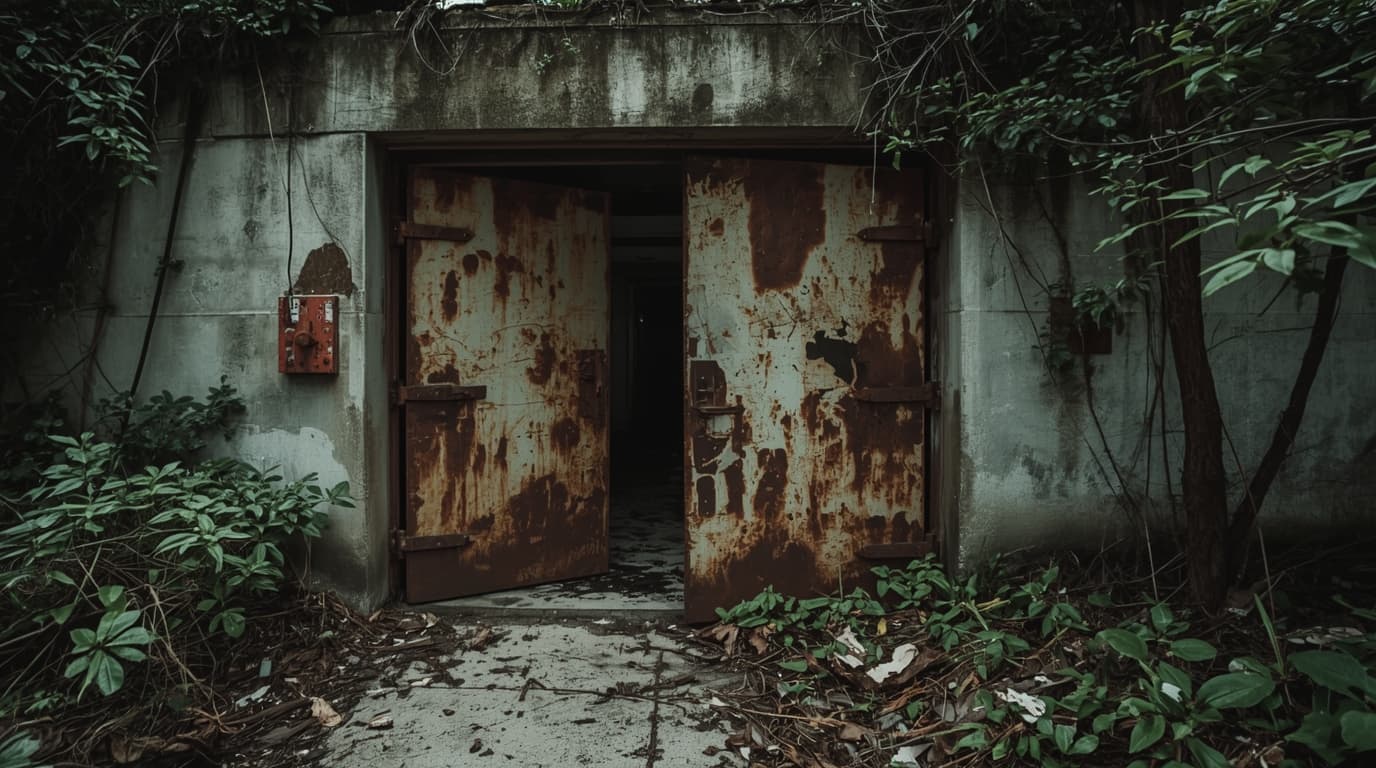
The best lost places in Saxony are usually former textile mills, machine factories, railway depots, breweries, military structures, and empty public buildings around Leipzig, Chemnitz, Dresden, Zwickau, and the Ore Mountains. Exact access changes often, so the most useful method is to rely on verified maps instead of recycled forum coordinates.
Quick summary
- Saxony is one of Germany's most varied regions for industrial urbex.
- Former factories are the main draw, especially around Chemnitz, Zwickau, and Leipzig.
- Forgotten buildings also include stations, schools, barracks, and Cold War structures.
- Access is inconsistent because ownership, demolition, and security change regularly.
- Responsible urbex in Saxony means no forced entry, no trespassing, and no damage.
- Verified maps are the fastest way to filter active, closed, and uncertain locations.
Quick facts
| Topic | Answer |
|---|---|
| Region | Saxony, eastern Germany |
| Best for | Abandoned factories, industrial complexes, railway sites |
| Common site types | Textile mills, machine plants, depots, barracks, empty public buildings |
| Strongest sub-regions | Leipzig area, Chemnitz area, Zwickau, Dresden outskirts, Ore Mountains |
| Main challenge | Old coordinates become obsolete quickly |
| Best planning tool | Curated and verified location maps |
Why is Saxony one of Germany's richest regions for industrial urbex?
Saxony has deep industrial history. Textiles, mining, engineering, rail, and heavy manufacturing left behind a dense layer of built infrastructure. When plants closed or were consolidated, many large sites remained in partial ruin for years.
That history explains why urbex in Saxony is so varied. You do not only find one type of place. You find production halls, boiler rooms, workshops, warehouses, administrative wings, loading yards, and housing tied to former industry.
The region also mixes urban and rural settings. Around large cities, forgotten buildings may sit near redevelopment zones. In smaller valleys or mountain districts, abandoned factories can feel more isolated but may also be more fragile.
Which abandoned factories and forgotten buildings can you expect to find?
In Saxony, the most common lost places fall into a few clear categories. This makes trip planning easier because each category has different access patterns, risks, and photographic value.
Former textile and manufacturing plants
These are among the classic lost places in Saxony. They often include multi-story brick buildings, sawtooth roofs, machine halls, and long window lines that work well for photography.
Railway and transport infrastructure
Disused depots, goods stations, workshops, and signal-related buildings appear in several parts of the state. These sites often have complex layouts and hidden hazards such as pits, unstable flooring, or residual metalwork.
Military and Cold War structures
Barracks, bunkers, and storage facilities exist in parts of Saxony, especially where twentieth-century military use was concentrated. They can be visually striking, but they also tend to have severe structural and legal risks.
Forgotten civic and commercial buildings
Not every site is industrial. Empty schools, administrative blocks, hotels, and public facilities also appear in the region. If luxury decay interests you, Abandoned Hotels and Casinos: The Most Beautiful Luxury Urbex Spots offers another angle.
Where are the main lost place areas in Saxony?
The main lost place areas in Saxony are the industrial belts around Chemnitz and Zwickau, the urban fringe around Leipzig and Dresden, and smaller post-industrial clusters in the Ore Mountains and Lusatia. Each zone has a different site density and a different rate of redevelopment.
A practical way to think about the region is this:
- Leipzig area: mixed urban decay, warehouses, rail-related structures, and reused industrial land.
- Chemnitz area: strong former manufacturing base, often the first place people associate with abandoned factories in Saxony.
- Zwickau and southwest Saxony: older industrial fabric, workshops, and transport-linked buildings.
- Dresden outskirts: fewer clichés, more mixed building types, and changing redevelopment pressure.
- Ore Mountains: smaller remote sites, former production buildings, and mountain-region infrastructure.
Because changes happen fast, broad regional targeting works better than chasing one old pin copied from social media.
How can you find verified lost places in Saxony more efficiently?
The fastest way is to use current, filtered location data. Public lists often stay online long after a place has been demolished, sealed, converted, or placed under tighter surveillance.
MapUrbex is useful here because it focuses on verified locations and practical planning, not just aesthetic inspiration. If you want to compare regions first, Browse all urbex maps is the best starting point. If you want a no-cost entry point, read Free Urbex Map 2026: The Complete Guide to Verified Abandoned Places Maps.
If you are still learning the research process, How to Find Abandoned Places Near You explains how to validate a site before you travel.
What legal and safety issues matter before any visit?
In Saxony, the same core rule applies as everywhere else: abandonment does not mean free access. Many sites are private property, some are temporarily active, and others are monitored even if they look derelict.
Never force entry, bypass locks, cut fences, or trespass. Visit only where access is lawful, permitted, or safely visible from public space.
Industrial sites also carry serious physical risks:
- unstable floors and stairs
- hidden shafts or maintenance pits
- broken glass and exposed metal
- contaminated dust or residue
- weak roofs and water damage
- sudden closure or active demolition work
A verified map helps, but it does not replace judgment on the ground. If a place feels unsafe or clearly restricted, leave.
How can you explore responsibly without damaging the site?
Responsible urbex in Saxony means leaving the place exactly as you found it and avoiding behavior that increases pressure on vulnerable sites. Preservation comes before content.
A simple responsible approach includes:
- do not enter closed or forbidden areas
- do not move objects for photos
- do not publish sensitive access details publicly
- avoid large groups at fragile locations
- respect neighbors, workers, and nearby residents
- leave immediately if a site is active, secured, or unsafe
This is also the best long-term way to protect lost places in Saxony from vandalism, overexposure, and unnecessary closure.
FAQ about lost places in Saxony
Is urbex legal in Saxony?
Urbex is only legal when access is lawful. Many lost places in Saxony are on private property, so permission or public-space viewing is essential.
Are abandoned factories in Saxony especially dangerous?
Yes. Large industrial buildings often contain unstable floors, rotten stairs, pits, broken glazing, and chemical residue. They are usually riskier than small empty houses.
What is the best season for exploring lost places in Saxony?
Autumn and winter are often best for visibility because vegetation is lower. Spring and summer can look better in photos, but overgrowth can hide hazards and block access routes.
Should you share exact coordinates of forgotten buildings in Saxony online?
In most cases, no. Publicly broadcasting exact coordinates can accelerate vandalism, theft, and sealing. Responsible communities prefer controlled sharing and verified research.
Do I need a map, or can I just search manually?
Manual research still works, but it is slow and unreliable on its own. For transactional planning, a curated map is usually the most efficient way to filter live options from dead leads.
Conclusion
Lost places in Saxony stand out because the region combines industrial scale, architectural variety, and a high concentration of forgotten structures. For photographers and responsible explorers, few German states offer the same range of abandoned factories and buildings.
The important point is reliability. Conditions change fast, and safe, legal planning matters more than old coordinates. Verified maps make the search more efficient and more responsible.
If you want to start with current data instead of outdated forum lists, use the MapUrbex free entry point below.
Access the free urbex map
