 MapUrbex
A clear 2026 guide to the legality of urbex in France: private property, abandoned buildings, legal risks, restricted sites, and responsible exploration rules.
Is Urbex Legal in France? Full 2026 Guide
The legality of urbex in France is often misunderstood. Many people assume that an abandoned place is automatically free to enter. In practice, French law does not work that way.
There is no single law called an "urbex law" in France. The real question is whether you have permission, whether the place is private or protected, and whether your entry involves barriers, locks, signs, or restricted zones.
This guide explains the main legal points in plain English. It is general information, not individual legal advice, and it reflects a preservation-first approach consistent with responsible exploration.
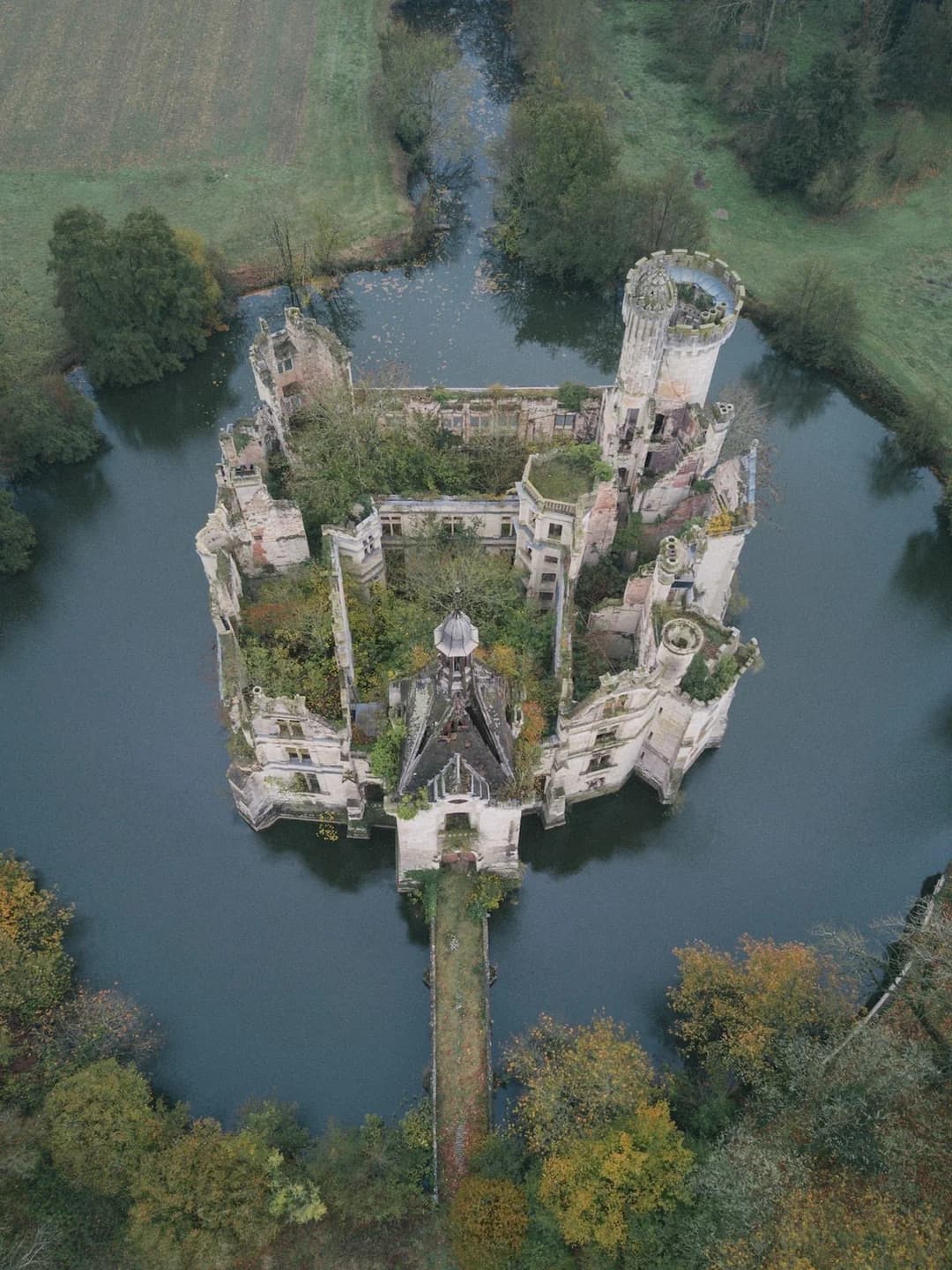
Is urbex legal in France?
Urbex is not illegal as a named activity in France, but entering an abandoned place can still be unlawful. The key issue is not the word urbex itself. The legal risk depends on property rights, permission, the way you enter, and whether the site is protected, occupied, or clearly closed to the public.
Quick summary
- France does not have one specific law that says "urbex is legal" or "urbex is illegal."
- An abandoned building can still be private property, protected property, or a restricted site.
- Entering without permission can create civil or criminal problems, especially if there is forced entry, a lock, a fence, a posted ban, or an occupied area.
- Sensitive places such as military, rail, utility, and active industrial sites carry much higher legal and safety risk.
- The safest rule is simple: no permission, no entry.
- MapUrbex supports responsible urbex, verified locations, and preservation-first research.
Quick facts
| Point | What it means in practice |
|---|---|
| Specific "urbex law" | There is no single French statute dedicated only to urbex. |
| Abandoned status | "Abandoned" does not mean public access is allowed. |
| Private property | Owners can refuse access, call police, and seek damages. |
| Forced entry | Breaking locks, climbing barriers, or defeating closures sharply increases legal risk. |
| Protected or sensitive sites | Military, rail, utilities, and some heritage sites may have separate restrictions. |
| Best practice | Only visit with clear permission and leave immediately if asked. |
What does French law actually regulate?
French law mainly regulates entry, occupation, damage, and site status. In other words, the legal question is usually not "Is urbex legal in France?" but "What kind of place is this, and how was it entered?"
A building may be abandoned in appearance while still belonging to a company, a municipality, a private family, or a public body. If the owner did not authorize access, the fact that a place looks empty does not create a right to enter.
Several legal issues can arise depending on the situation:
- unlawful presence on private property
- forced entry or bypassing security devices
- damage, graffiti, theft, or removal of objects
- entry into occupied or residential areas
- access to specially regulated sites
- refusal to leave after being told to do so
In France, people sometimes compare the issue to Anglo-American "trespassing" rules. That comparison can be misleading. French law uses different categories, so the analysis depends on the precise facts.
Can you enter an abandoned place in France if it looks open?
No. An open door or broken window does not mean that entry is lawful. The absence of a lock at the moment you arrive is not the same as consent from the owner.
This is one of the most important points for anyone asking about entering an abandoned place in France. A site can be visibly neglected and still remain closed to the public. If there are signs, fencing, surveillance, caretaker activity, or evidence of occasional use, legal risk rises quickly.
A good practical test is this: if you cannot show a legitimate authorization, you should assume access is not allowed.
That matters even more in locations that attract repeat visits. Once a site becomes known online, owners often add signs, barriers, cameras, or complaints. Legal status can change faster than old blog posts or social media captions suggest.
What legal risks matter most for urbex in France?
The main legal risks for urbex in France are unauthorized entry, violation of protected or occupied spaces, property damage, theft, and access to restricted infrastructure. Safety failures can also produce legal consequences after an accident.
Here is a simple breakdown:
| Risk area | Why it matters |
|---|---|
| Private property | The owner can object, report the entry, or seek compensation. |
| Occupied premises or residential areas | Legal exposure is much higher than in a long-empty warehouse. |
| Forced access | Cutting chains, breaking locks, or climbing sealed barriers is especially risky. |
| Damage or removal | Even minor damage, souvenirs, or graffiti can trigger complaints. |
| Restricted infrastructure | Rail, energy, military, water, and telecom sites may be separately regulated. |
| Accident and rescue | Injury can create insurance, liability, and emergency response issues. |
For most explorers, the biggest mistake is to focus only on whether the site is abandoned. The more relevant question is whether the entry is authorized and whether the site belongs to a sensitive category.
Which places are especially sensitive or clearly off-limits?
Some categories of places are much more legally sensitive than others. Even experienced explorers should treat them as high-risk or off-limits.
These usually include:
- military land or former defense installations with continuing restrictions
- rail property, tracks, depots, tunnels, and technical areas
- electrical, gas, water, telecom, and utility infrastructure
- active industrial sites, even if one section appears unused
- underground networks, quarries, and prohibited subterranean areas
- occupied houses, farm buildings, or places with a caretaker
- heritage sites under active restoration or formal protection rules
Why does this matter? Because separate regulations may apply beyond ordinary property issues. In plain terms, the legal risk is not the same at a derelict barn and at a rail tunnel or power facility.
If the site is marked as dangerous, monitored, or prohibited, the responsible decision is to stay out.
How can you reduce legal and safety risks before any visit?
The safest way to practice legal urbex in France is to get permission first. If you do not have permission, the next best decision is not to enter.
A responsible checklist looks like this:
- verify whether the place is private, public, active, protected, or restricted
- look for posted bans, fencing, alarms, cameras, or recent closure measures
- never force entry and never carry tools intended to defeat locks or barriers
- avoid night entry, concealment, or behavior that suggests intentional intrusion
- leave immediately if an owner, guard, police officer, or caretaker asks you to leave
- do not take objects and do not publish details that increase vandalism risk
- assess structural hazards, asbestos, shafts, roofs, and floors before any approach
MapUrbex is built around verified locations and responsible decision-making. If you are researching places, start with curated resources rather than random coordinates shared for clicks. You can Browse all urbex maps, read the regional overview in 100 Abandoned Places in France by Region: Complete Urbex Guide, or compare place types in Top 20 Abandoned Factories in France for Urban Exploration and 20 Creepiest Abandoned Places in France.
Does permission make urbex legal in France?
In many cases, yes. Clear permission from the owner or lawful controller is the strongest basis for legal access. But permission should be real, specific, and current.
A few practical cautions matter:
- permission from a friend is not enough if that person is not the owner or authorized manager
- old permission may no longer be valid after a sale, new tenant, or safety order
- permission to photograph outside does not automatically include access inside
- a site can still be unsafe or subject to other restrictions even with owner consent
This is why responsible explorers separate three questions: is it authorized, is it safe, and is it wise to publish?
Where can you find verified places more responsibly?
If your goal is to find abandoned places in France without relying on unreliable social posts, use curated tools that prioritize verification and preservation. The point is not just to find a location. The point is to filter out places that are active, demolished, highly sensitive, or likely to create avoidable problems.
MapUrbex focuses on verified locations, curated maps, and a preservation-first approach. For a starting point, Access the free urbex map or Browse all urbex maps.
FAQ
Is it legal to photograph an abandoned building in France from public space?
Generally, photographing a building from a lawful public place is less risky than entering it. The legal issue changes once you cross onto private property or into a restricted area.
Does "no fence" mean entry is legal?
No. A missing fence does not equal permission. Ownership and access rules still apply even when a site looks open.
Can police or gendarmerie stop you at an abandoned site?
Yes. If the site is private, restricted, dangerous, or the situation appears suspicious, law enforcement can intervene, verify identity, and respond to complaints from owners or neighbors.
Are abandoned castles, factories, and hospitals treated the same way?
No. The legal analysis depends on ownership, occupancy, protection status, local orders, and whether the site falls into a sensitive category. A disused factory and a protected heritage property do not present the same legal issues.
If nothing is damaged, is urbex automatically legal?
No. Avoiding damage is essential, but it does not by itself create a right to enter. Permission and site status still matter.
Conclusion
So, is urbex legal in France? The most accurate answer is: not as a category, but the way it is practiced can easily become unlawful. An abandoned place is not automatically open, and legal risk rises sharply when there is no permission, when barriers are bypassed, or when the site is sensitive or occupied.
The safest and most responsible approach is simple: verify the place, respect ownership, never force access, and prioritize preservation over adrenaline.
Access the free urbex map
