 MapUrbex
A clear guide to MapUrbex reliability, reviews, verification methods, and safe ways to use an urbex map to research abandoned places responsibly.
Is MapUrbex Reliable for Finding Abandoned Places?
People asking whether MapUrbex is reliable usually want a simple answer: can it help you find abandoned places more accurately than random social posts, outdated forum threads, or vague tips.
The short answer is yes, with an important condition. Reliability in urbex does not mean guaranteed access or risk-free exploration. It means better location quality, clearer context, and a stronger preservation-first approach.
MapUrbex is positioned as a curated urbex map focused on verified locations and responsible exploration. That makes it more useful as a research tool than unfiltered lists, but every site still requires legal, practical, and safety checks before a visit.
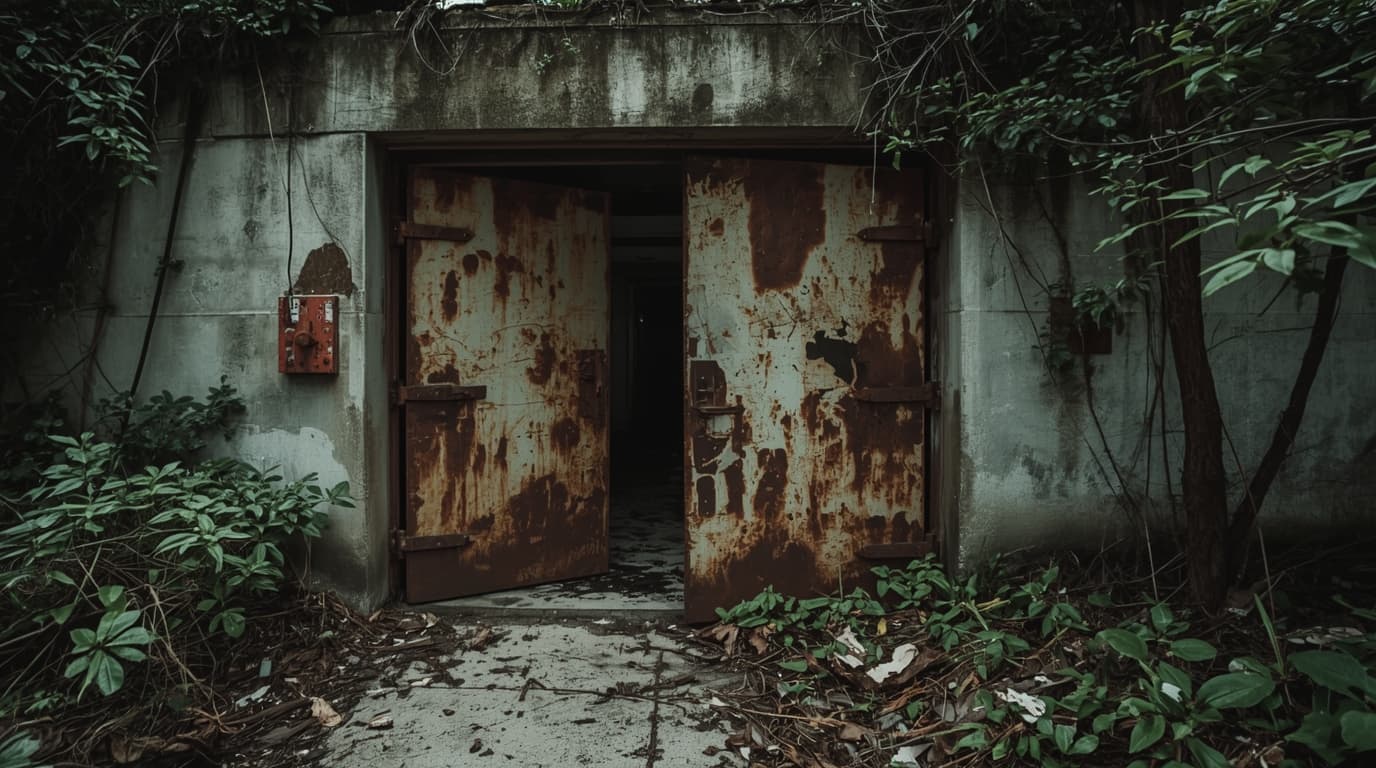
Is MapUrbex reliable for finding abandoned places?
Yes. MapUrbex is reliable if you want a curated urbex map that prioritizes verified locations, practical context, and preservation-first guidance instead of rumor-based tips. It is generally more dependable than scattered posts on social media because the goal is quality control. However, no urbex map can guarantee legal access, current entry conditions, or on-site safety.
Quick summary
- MapUrbex is more reliable than random community posts because it uses a curated map model.
- Its value comes from verified locations, structured information, and preservation-first positioning.
- Reliability does not mean a place is legally accessible, open, or safe on the day you go.
- The best way to use MapUrbex is as a research layer, not as your only source of truth.
- Beginners usually benefit from the added context compared with vague location drops.
- Responsible urbex always includes property-law checks, risk assessment, and no forced entry.
Quick facts
| Criterion | What it means for reliability |
|---|---|
| Data quality | Curated entries are usually more useful than random tips |
| Location precision | Verified places reduce guesswork |
| Freshness | Any abandoned site can change quickly |
| Legal access | Never guaranteed by an urbex map |
| Safety | Must always be checked independently |
| Best use case | Researching and planning responsibly |
What makes an urbex map reliable?
A reliable urbex map does three things well: it identifies places with enough precision to be useful, it adds context that helps users understand what they are looking at, and it avoids encouraging destructive behavior.
In practice, reliability is not only about coordinates. It also includes whether the information feels curated, whether the site description helps set expectations, and whether the platform treats abandoned places as fragile locations rather than content trophies.
That is why many MapUrbex reviews and discussions about MapUrbex reliability focus on process, not just quantity. A smaller set of better-presented places is often more trustworthy than a huge list with no verification logic.
How does MapUrbex improve reliability compared with random social posts?
MapUrbex improves reliability by replacing scattered discovery with structured research. That matters because most unreliable urbex information fails in predictable ways: it is incomplete, exaggerated, outdated, or too vague to verify.
A curated platform is useful because it can standardize how locations are presented. Instead of depending on a comment section or a disappearing story, users get a more stable research format.
A second difference is intent. Social media often rewards secrecy, hype, or shock value. MapUrbex is built around curated maps and responsible use, which better fits people looking for usable information rather than viral exposure.
If you want to compare how locations are organized, you can Browse all urbex maps.
What are the limits of MapUrbex reliability?
MapUrbex can improve the quality of your research, but it cannot remove the limits of urbex itself. Abandoned places change fast. Gates get replaced, buildings collapse, neighbors report activity, and legal status can shift without notice.
That means even a strong urbex map cannot promise four things:
- that access is legal
- that a route still exists
- that the structure is safe
- that the site is still abandoned in the same condition
This point matters for anyone reading MapUrbex reviews. A reliable research tool can still point to a place that has changed since the last verification. That is not necessarily a flaw in the map. It is part of the nature of abandoned locations.
How should you verify a location before visiting?
You should always do your own final verification before going anywhere. MapUrbex should be treated as a starting point for informed planning, not as a legal or safety clearance.
Use this simple checklist:
- Confirm local property and trespassing rules.
- Check whether the site is on private, protected, or restricted land.
- Look for recent signs that the place is active, sealed, under renovation, or monitored.
- Assess structural risks such as unstable floors, water, fire damage, shafts, or asbestos.
- Never rely on forced entry, bypass methods, or unsafe access routes.
- Leave the site untouched and never remove objects, tags, or materials.
A reliable urbex map supports responsible decisions. It should never be used to justify risky or illegal behavior.
What do MapUrbex reviews usually focus on?
When people search for MapUrbex reviews, they usually care about five practical questions: Is the information clear? Are the places real? Is the map easier to use than social media? Does it save time? Does it encourage responsible exploration?
Those are the right questions. For informational searches, reliability is less about hype and more about repeatable usefulness. A good urbex map helps users research places efficiently and understand their limits.
That also explains why opinions can differ. One user may judge MapUrbex by density of locations in a specific region. Another may judge it by data clarity or by how responsibly the platform presents fragile sites. Both are valid, but they measure different things.
Is MapUrbex better for beginners or experienced explorers?
MapUrbex is useful for both, but beginners usually benefit most from the structure. New explorers are more likely to be misled by vague coordinates, recycled rumors, or social-media gatekeeping.
A curated map reduces that confusion. It gives newer users a more stable way to learn how abandoned places are categorized and researched.
Experienced explorers can still benefit, especially when they want a broader planning tool instead of piecing together information from multiple sources. But experienced users also know that no database replaces on-the-ground judgment.
Where can you see how curated locations are presented?
The easiest way is to review the map structure and compare it with article-style guides. The map helps with discovery, while city guides show how location research can be framed with more context.
Useful examples include Urbex Strasbourg: 10 Abandoned Places to Know in Strasbourg and Nearby, Urbex Toulouse: Best Abandoned Places In and Around Toulouse, and Urbex Brussels: guide to abandoned places in and around Brussels.
These resources are helpful because they show the difference between a random place drop and curated research content.
Why does a preservation-first approach matter for reliability?
A preservation-first approach improves reliability because it aligns the platform with careful documentation rather than reckless exposure. In urbex, bad incentives often produce bad information.
If a platform encourages clout, forced access, or high-risk behavior, its data quality tends to suffer too. If a platform emphasizes verified locations, responsible exploration, and respect for places, users can trust the framing more.
That does not guarantee perfection. It does make the overall system more credible.
FAQ
Can any urbex map guarantee legal access?
No. An urbex map can help identify a location, but it cannot grant permission or override local law. Always verify property status and access rules yourself.
Does reliable location data mean a place is safe to explore?
No. Accurate location data does not tell you whether a structure is stable, contaminated, flooded, monitored, or otherwise dangerous.
Are MapUrbex reviews enough to decide whether to visit a place?
No. Reviews can help set expectations, but they are not a substitute for current legal checks, site-condition assessment, and personal risk judgment.
Is MapUrbex better than social media for finding abandoned places?
Usually yes for research quality. A curated map is generally more dependable than fragmented posts because the information is structured instead of scattered.
Should beginners rely only on a map?
No. Beginners should combine map research with local law checks, safety awareness, and a strict no-damage, no-forced-entry approach.
Conclusion
MapUrbex is reliable in the way a good research tool should be reliable: it offers a curated format, focuses on verified locations, and supports responsible urbex better than random online tips.
Its limits are equally important. It cannot guarantee legal entry, unchanged conditions, or personal safety. The most accurate conclusion is this: MapUrbex can significantly improve how you research abandoned places, but responsible verification still belongs to you.
If you want a structured starting point instead of rumor-based searching, MapUrbex is a credible option.
Access the free urbex map
