 MapUrbex
A practical guide to using a free urbex map in France to find abandoned places, assess risk, and explore responsibly with MapUrbex.
Free Urbex Map France: How to Find Abandoned Places Responsibly
A free urbex map for France can help you find abandoned places faster, but the real value is not speed. The real value is better filtering: region, building type, access context, and basic safety signals.
MapUrbex approaches this with a preservation-first mindset. The goal is to document places responsibly, avoid reckless behavior, and help explorers focus on curated, useful information instead of random coordinates shared without context.
What is the best way to use a free urbex map in France?
The best way to use a free urbex map in France is to treat it as a research tool, not an invitation to enter every site. Start by filtering locations by region and place type, then verify current conditions, ownership, and visible risks. A good map helps you find abandoned places more efficiently while keeping legality, safety, and preservation in view.
Quick summary
- A free urbex map in France is most useful when it helps you sort places by region, type, and reliability.
- Not every abandoned-looking site is legally or physically accessible.
- The safest approach is to research first, observe from public space, and never force entry.
- France has a wide mix of abandoned factories, castles, hospitals, military sites, and rural houses.
- Curated maps save time because they reduce duplicate listings and low-quality tips.
- Responsible urbex means leaving no trace and avoiding public sharing of sensitive access details.
Quick facts
| Topic | Key point |
|---|---|
| Main use | Find and organize abandoned places in France by area and category |
| Best for | Research, route planning, and comparing locations |
| Legal baseline | Abandonment does not cancel private property rights |
| Common site types | Factories, châteaux, hospitals, rail sites, farms, bunkers |
| Main risk | Unstable floors, asbestos, glass, water damage, security changes |
| Best practice | Verify recent status and avoid publishing exact access methods |
Why use a free urbex map in France?
A free urbex map in France helps because it turns scattered information into a structured starting point. Instead of searching social media, old forums, and incomplete lists, you can compare areas and site types in one place.
This matters in France because the country has a high density of industrial heritage, abandoned rural properties, former medical buildings, and historic estates. Without a map, finding relevant places often takes more time than the field visit itself.
A good map of abandoned places also helps you avoid weak leads. Many locations shared online are demolished, renovated, occupied, or heavily secured. Curated listings reduce noise.
If you want a broad overview first, you can Browse all urbex maps. If you want the France entry point directly, you can Access the free urbex map.
How can you find abandoned places in France without taking legal risks?
You reduce legal risk by separating research from access. Finding abandoned places is legal in itself. Entering land or buildings without permission may not be.
That distinction is essential. In France, a building can look deserted and still be privately owned, monitored, or occasionally used. "Abandoned" is a visual condition, not a legal status.
Use this process:
- Identify the location on a curated map.
- Check whether the place still appears standing in recent satellite or street-level imagery when available.
- Look for signs of redevelopment, fencing, active roads, vehicles, or maintenance.
- Observe only from public space if ownership or access is unclear.
- Never climb fences, break locks, or use hidden entry points.
MapUrbex is built around responsible urbex. That means preservation first, no forced access, and no encouragement of trespassing or vandalism.
Which abandoned places are most common on a map of abandoned places in France?
The most common entries on a map of abandoned places in France are industrial sites, rural properties, and historic buildings. These categories appear often because they are numerous, visually distinctive, and frequently discussed by the urbex community.
Typical categories include:
- Abandoned factories and workshops
- Empty farmhouses and rural homes
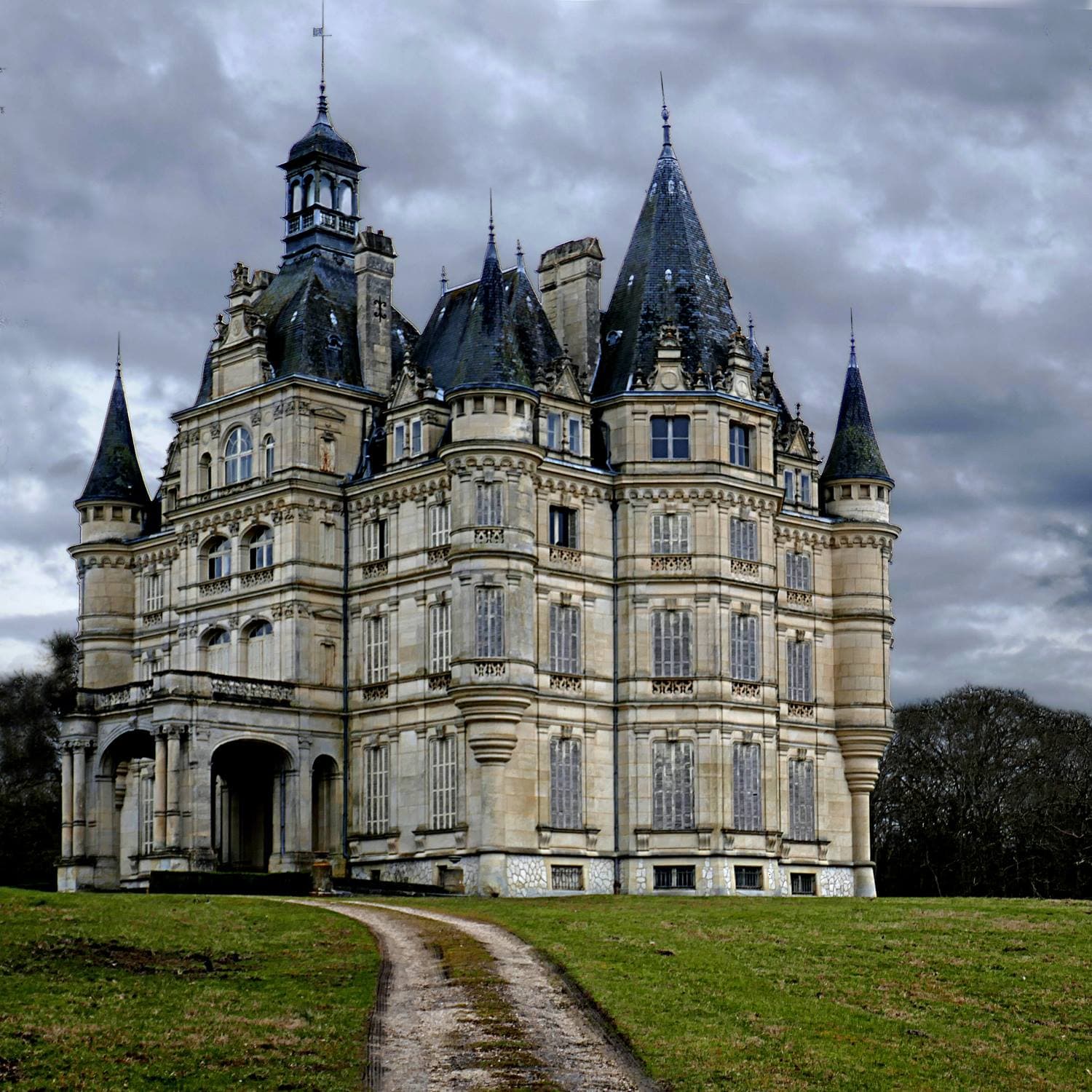
- Châteaux and manor houses
- Closed hospitals and sanatoriums
- Railway depots and stations
- Military remnants and bunkers
- Hotels, schools, and leisure venues
Industrial locations are especially common in older manufacturing regions. If that category interests you, see Top 20 Abandoned Factories in France for Urban Exploration.
For a broader geographic view, 100 Abandoned Places in France by Region: Complete Urbex Guide is useful. If you prefer atmospheric locations, 20 Creepiest Abandoned Places in France offers another angle.
How should you evaluate a location before visiting?
You should evaluate an urbex location in France by checking three things first: legal context, structural risk, and current activity. If any of those is unclear, the site should be treated as unsuitable.
A practical pre-visit checklist looks like this:
| Check | What to look for | Why it matters |
|---|---|---|
| Ownership context | Fences, signage, active tracks, maintained roads | Indicates possible active use or controlled access |
| Building condition | Roof collapse, missing floors, visible water damage | Signals serious injury risk |
| Environmental hazards | Asbestos debris, chemical residue, standing water | Affects health and safety |
| Local activity | Neighbors, workers, vehicles, cameras | Suggests the site is not dormant |
| Recent reports | New photos, recent comments, demolition updates | Helps confirm whether the place still exists |
The most common mistake is assuming old photos are still accurate. In France, a site can change quickly due to redevelopment, temporary security, squatting, or demolition.
What are the limits of a free map of abandoned places?
A free map is useful, but it is not complete and it is never a guarantee. Conditions change faster than databases do.
Three limits matter most:
- A listed place may no longer be abandoned.
- A real abandoned site may still be unsafe or legally sensitive.
- A free listing may provide orientation, not exact operational detail.
That is not a flaw. It is often the responsible way to publish information. Overly detailed access instructions can increase damage, theft, and closures.
The best free urbex map for France is not the one with the most dots. It is the one that helps you judge quality, avoid dead leads, and respect places that are fragile.
Which MapUrbex resources help you explore France more efficiently?
The most useful MapUrbex resources for France are the main map hub, the free map entry page, and curated country guides. Together they give you overview, filtering, and context.
Start with Browse all urbex maps if you want to compare available coverage. Then Access the free urbex map to focus on the France map.
After that, country-specific reading helps you narrow your interests. Factory explorers, region-based planners, and photographers looking for mood-heavy sites all benefit from different lists.
That is why curated supporting articles matter. They add context that raw pin maps usually lack.
FAQ
Is urbex legal in France?
Researching and photographing from public space can be legal, but entering private property without permission can be illegal. The fact that a place looks abandoned does not remove ownership rights.
How can I tell whether a place is really abandoned?
You usually cannot know with certainty from one photo alone. Look for repeated signs such as no maintenance, broken weatherproofing, empty surroundings, and recent independent reports. Even then, assume conditions may have changed.
Should I publish exact coordinates of abandoned places online?
In most cases, no. Publicly sharing precise coordinates or access methods can accelerate vandalism, theft, fires, and closures. Responsible urbex favors documentation over exposure.
What equipment is useful for a first urbex trip in France?
A charged phone, flashlight, backup light, sturdy boots, gloves, water, and a basic first-aid kit are sensible. Avoid entering hazardous sites just because you have gear. Equipment reduces some risk; it does not remove structural danger.
Are castles and factories in France easier to explore than smaller sites?
Not necessarily. Large sites may look open, but they often have more collapse zones, more security changes, and more hidden hazards. Smaller rural sites can also be unstable or occupied.
Conclusion
A free urbex map for France is most valuable when it helps you research better, not when it pushes you toward reckless visits. The right approach is simple: use curated information, verify the current situation, respect property and local communities, and leave places untouched.
MapUrbex is built for that approach. It prioritizes usable location research, responsible exploration, and preservation-first decisions.
Access the free urbex map
