 MapUrbex
Use an abandoned places map for Germany to find urbex locations with better verification, safer planning, and a responsible legal approach.
Abandoned Places Map Germany: Find Urbex Locations Safely and Legally
Germany has one of Europe's deepest pools of industrial, military, rail, and institutional heritage. That makes it a major destination for people looking for abandoned places, but it also makes research more complex.
Many sites are private, monitored, unsafe, or historically sensitive. A good abandoned places map for Germany helps you filter noise and focus on locations that are more likely to be worth checking responsibly.
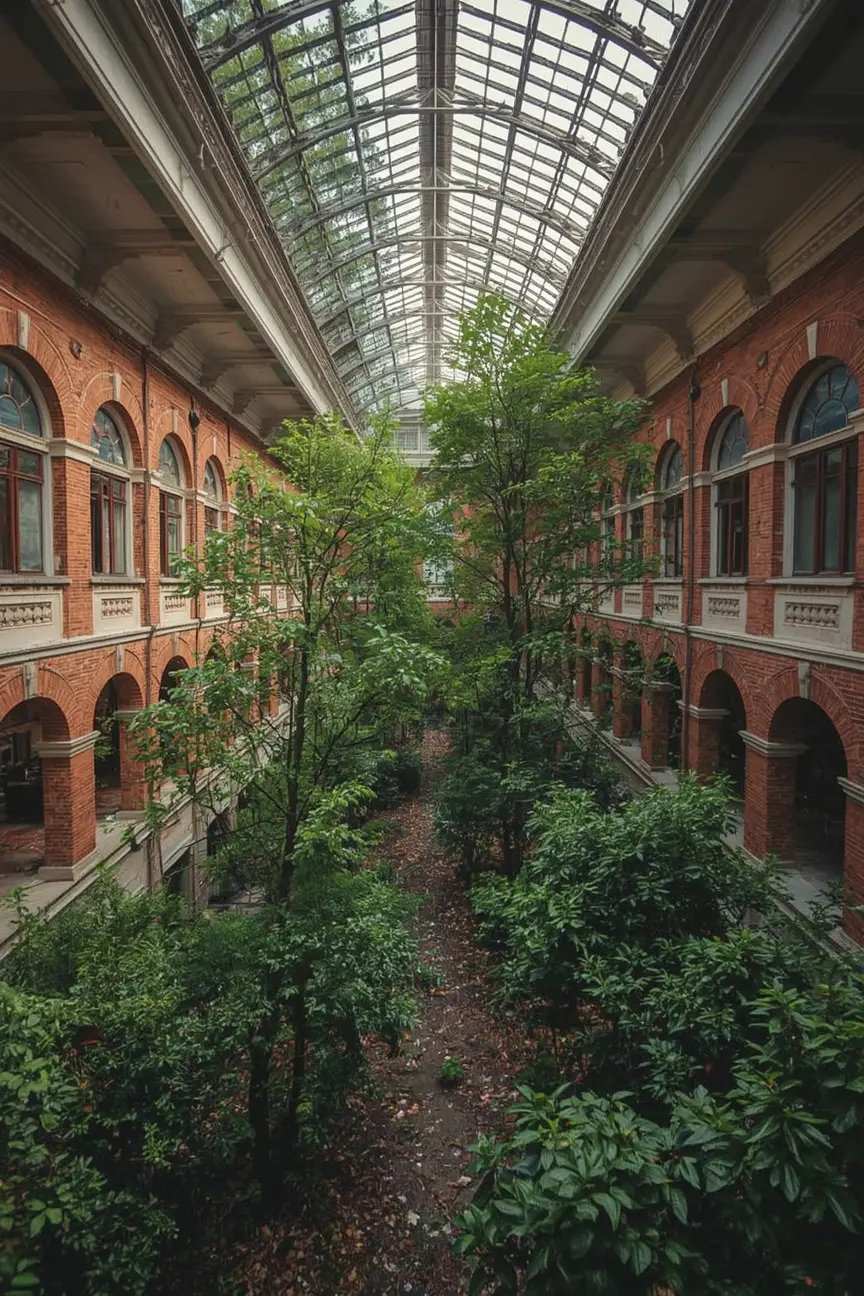
How can you find abandoned places in Germany safely and legally?
The best way to find abandoned places in Germany is to start with a curated Germany urbex map, then verify access, ownership, and current condition before any visit. Public-road observation, local history research, and permission-based access are safer than chasing unverified pins. Abandoned never means open access, so legal entry and site preservation must come first.
Quick summary
- A curated abandoned places map for Germany is the fastest way to screen real sites.
- Verification matters because closures, redevelopment, and security changes happen often.
- The safest workflow combines a map, public-source research, and on-site checks from public space.
- In Germany, abandoned does not mean legal to enter; permission is often required.
- Responsible urbex protects buildings, avoids sensitive sites, and never encourages forced access.
- MapUrbex focuses on verified locations, responsible exploration, and preservation-first maps.
Quick facts
| Item | What to know |
|---|---|
| Best starting tool | A curated urbex map with updated notes |
| Main goal | Find sites more efficiently while reducing legal and safety mistakes |
| Best verification steps | Ownership check, recent activity check, public-road observation |
| Common site types | Factories, hospitals, rail assets, hotels, military remnants |
| Main risks | Trespassing, structural instability, security, hazardous materials |
| Responsible approach | Permission, no damage, no entry if access is unclear |
Why use an abandoned places map for Germany?
An abandoned places map for Germany saves time because it narrows your search to locations that are more likely to be real, relevant, and worth checking. It also helps you compare regions, site types, and access context without relying only on outdated forum posts.
Germany is large, and abandoned sites are unevenly distributed. Former industrial regions, smaller towns, transport corridors, and rural institutional sites often produce more opportunities than city-center searches alone.
A strong map is not just a list of coordinates. It should help you sort by category, understand whether a location is active or derelict, and decide whether a visit is realistic within a legal and preservation-first framework.
If you want a broader starting point, Browse all urbex maps.
What makes a Germany urbex map reliable?
A reliable Germany urbex map is built on verification, not rumor. The most useful maps reduce false positives and give enough context to plan responsibly.
Look for these signals:
- Recent checks or status notes
- Clear site categories
- Useful regional coverage
- Notes about visibility, restrictions, or likely closure
- A preservation-first stance rather than sensational promotion
A weak map usually has the opposite pattern: old coordinates, duplicated entries, no context, and no warning about access restrictions.
For a deeper country overview, read Germany Urbex Map: Find Abandoned Places Safely and Legally.
Which methods help you find abandoned places in Germany?
The most effective method is to combine a curated map with open-source verification and careful observation from public space. No single method is enough on its own because site status can change quickly.
| Method | Best use | Main limit |
|---|---|---|
| Curated urbex map | Fast discovery and regional filtering | Still needs current verification |
| Local history research | Finding closed hospitals, factories, hotels, or schools | Can be time-consuming |
| News and redevelopment reports | Checking closures, demolition, or reuse | Coverage varies by area |
| Public-road observation | Confirming visible abandonment signs without trespassing | Limited line of sight |
| Permission request | Legal access to some sites | Not always possible |
A practical workflow is simple. Start with a map. Cross-check recent public information. Then assess the area from lawful public access points only. If ownership or use remains unclear, do not enter.
You can also compare this guide with Urbex Germany: How to Find Abandoned Places Safely and Legally.
What legal and safety rules matter in Germany?
In Germany, the key rule is straightforward: an abandoned building is not automatically legal to enter. Many sites remain private property, restricted infrastructure, or controlled land even when they look empty.
Important reminders:
- Do not climb fences, break locks, or force entry.
- Leave immediately if signage, barriers, or staff indicate no access.
- Never assume a ruined site is ownerless.
- Avoid roofs, basements, shafts, and fire-damaged structures.
- Be alert for asbestos, broken flooring, exposed wiring, and unstable stairs.
- Do not remove objects or publish sensitive details that could accelerate vandalism.
Responsible urbex starts with preservation. If legal access is unclear, the correct decision is to stay outside.
How should you plan a responsible urbex visit in Germany?
A responsible urbex plan reduces both risk and site impact. Good planning is part of safety, not an extra step.
Use this checklist:
- Prefer daylight over night visits
- Wear sturdy footwear and simple protective gear
- Tell someone your route and return time
- Bring a charged phone and offline navigation
- Stay with your group if you are not alone
- Keep to stable, obvious paths
- Leave no trace and take nothing
- Do not geotag fragile places publicly
If you are still building your shortlist, Browse all urbex maps can help you compare curated options.
FAQ
Is it legal to enter abandoned buildings in Germany?
Usually not without permission. Many abandoned places in Germany are still privately owned or otherwise restricted. Legal access depends on the specific site, current use, and owner rules.
What is the safest way to find abandoned places in Germany?
The safest method is to start with a curated Germany urbex map, verify recent public information, and inspect only from public space unless you have lawful access. This reduces the chance of trespassing or arriving at a dangerous site.
Are abandoned factories and former military sites treated differently?
They can be. Former military or rail sites may have extra restrictions, contamination risks, surveillance, or unclear jurisdiction. Treat them as higher-risk locations unless you have reliable, current information and legal access.
Should exact coordinates be shared publicly?
Usually no, especially for fragile or high-risk sites. Broad guidance is more responsible than posting precise pins that can trigger theft, vandalism, or unsafe visits.
Conclusion
The best abandoned places map for Germany is not the one with the most pins. It is the one that helps you find real places with better context, safer planning, and fewer legal mistakes.
MapUrbex is built for that approach: verified locations, curated maps, and preservation-first exploration. Use a map as a research tool, not as permission to enter.
Access the free urbex map
