 MapUrbex
Discover the top 20 abandoned farms and estates for urbex in France, with regions, risks, legal rules, and a responsible MapUrbex planning approach.
Urbex in Abandoned Farms and Estates in France: Top 20
France has one of the richest stocks of abandoned rural architecture in Europe. For urbex, that means stone farmhouses, manor farms, wine estates, mountain holdings, and isolated domains that mix decay with landscape.
The hard part is not finding ruins in theory. The hard part is finding places that are still standing, still interesting, and worth the drive without relying on recycled coordinates from old forums.
This guide explains where abandoned farms and estates in France are most promising, which 20 rural site profiles stand out, and how to search with a preservation-first method.
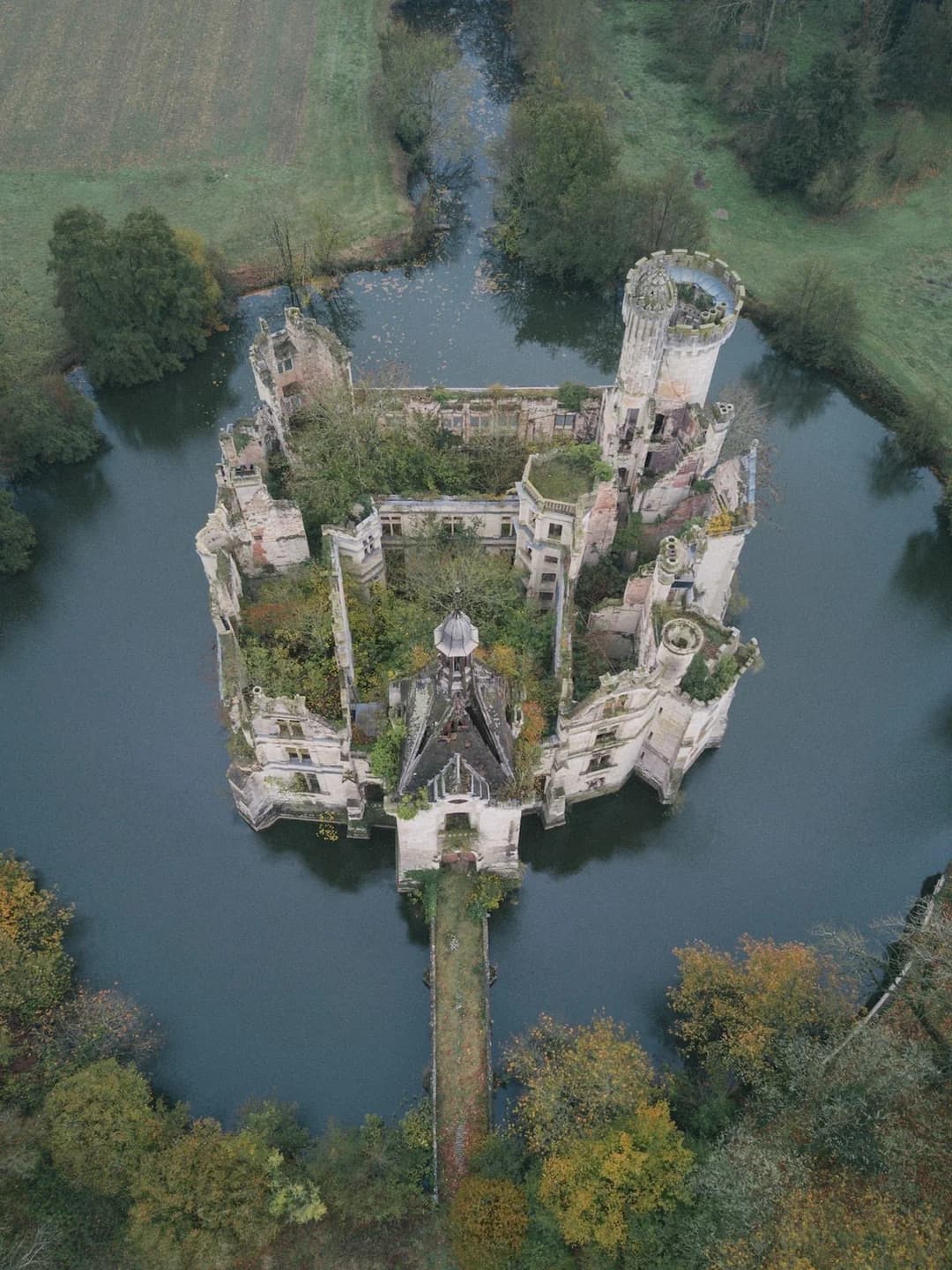
What are the best abandoned farms and estates for urbex in France?
The best abandoned farms and estates for urbex in France are usually found in regions with strong historic rural architecture and limited redevelopment pressure, especially Normandy, Brittany, the Loire Valley, Burgundy, Occitanie, Provence, and the Alps. The most rewarding sites combine original materials, multiple outbuildings, and safe, legal access planning through verified mapping rather than public coordinate sharing.
Quick summary
- France is one of the best countries in Europe for abandoned rural architecture.
- The strongest site types are manor farms, vineyard estates, mas, bastides, and mountain farmsteads.
- Normandy, Burgundy, the Loire, Provence, and Occitanie are the most consistent regions for this niche.
- Public coordinates age badly and often increase damage, stripping, or security issues.
- Responsible urbex means no trespassing, no forced entry, and no location dumping.
- MapUrbex focuses on verified locations, curated maps, and preservation-first route planning.
Quick facts
| Aspect | Key point |
|---|---|
| Country scope | France |
| Best building types | Farmhouses, manor farms, vineyard estates, mas, bastides, dairy farms |
| Strong regions | Normandy, Brittany, Loire Valley, Burgundy, Grand Est, Occitanie, Provence, Alps |
| Main visual appeal | Stonework, outbuildings, courtyards, barns, chapels, cellars, landscape setting |
| Main risks | Collapse, wells, rotten floors, asbestos cement, farm chemicals, remote access |
| Best search method | Verified maps and current condition notes |
| Public coordinates in this guide | No, to reduce harm and protect fragile places |
Why are abandoned farms and estates among the best urbex locations in France?
They are strong urbex locations because they combine architecture, atmosphere, and land use history in one place. A rural domain often includes a main house, barns, stables, workshops, walls, gardens, and service buildings, which creates more variety than a single abandoned structure.
France is especially good for this niche because rural buildings were built with durable local materials. Granite in Brittany, limestone in the Loire, brick in the north, timber framing in Alsace, and stone mas in the south all produce very different exploration experiences.
Another advantage is visual coherence. Many abandoned farms and domains still sit inside fields, woods, or vineyard landscapes. That setting often makes them more photogenic than heavily stripped industrial sites.
Which 20 abandoned farm and estate profiles stand out in France?
The best top 20 list for this topic is not a dump of public coordinates. It is a ranking of the rural site profiles that most often produce worthwhile urbex in France when checked through a curated map and approached responsibly.
- Norman courtyard farms in Normandy - These classic enclosed farms often keep brick, flint, timber, and long agricultural ranges around a central yard. They are among the most recognizable abandoned farm forms in France.
- Granite farmsteads in Brittany - Breton sites are valued for heavy stone walls, slate roofs, and weathered textures. Even small properties can feel dramatic because the materials age well.
- Brick manor farms in Picardy - Northern manor farms often mix agricultural buildings with a more noble main residence. They are attractive for explorers who like symmetry, gates, and large service courtyards.
- Winegrower estates in Champagne - These properties add cellars, presses, storage buildings, and vineyard-related infrastructure. Their interest is often architectural as much as agricultural.
- Cereal farm domains in Beauce - Beauce offers larger-scale farming complexes with silos, barns, and long service buildings. These sites feel more open and infrastructural than romantic.
- Manor estates in the Loire Valley - Loire rural estates often blur the line between farm and small château domain. That makes them a major target for people searching abandoned estates in France.
- Walled farm domains in Poitou - These sites often preserve perimeter walls, internal courtyards, and a strong sense of enclosure. They can be visually rich even when partially ruined.
- Vineyard estates in Burgundy - Burgundy stands out for stone houses, vaulted spaces, and wine architecture. For many people, this is one of the best regions for estate-style urbex in France.
- Dairy farms in the Jura - Jura farm buildings are usually practical, robust, and climate-adapted. They are less ornate but often very authentic.
- Half-timbered farmsteads in Alsace - Alsatian sites offer a distinct style with timber frames, painted facades, and large roof volumes. They are architecturally unique within France.
- Mountain farms in the Vosges - Remote settings and weathered timber-stone combinations define these sites. They require more careful access planning because terrain and isolation matter.
- Stone rural domains in Limousin - Limousin has many understated but atmospheric agricultural properties. Moss, granite, and long abandonment periods often create a strong sense of stillness.
- Walnut and mixed farms in Dordogne - Dordogne properties are often sought for their warm stonework and layered outbuildings. They tend to appeal to photographers.
- Manor farms in Gers - Gers combines agricultural estates with southwest domestic architecture. These places often feel spacious and lightly monumental.
- Wine estates in Occitanie - Southern wine domains can include courtyards, vats, workers' housing, and chapels. They are among the most varied abandoned rural sites in the country.
- Terraced farms in the Cévennes - Cévenol properties are interesting because of topography as much as buildings. Dry stone, steep ground, and isolation define the experience.
- Mas and bastides in Provence - Provence is a major reference point for abandoned rural estates in France. Mas and bastides combine strong light, stone textures, and distinctive southern layouts.
- Ranch-style domains in the Camargue - Camargue estates are different from inland farm sites because they reflect marshland, livestock, and a flatter landscape system. Their atmosphere is very specific.
- High-altitude farmsteads in the Alps - Alpine sites are visually striking but highly seasonal. Snow, access roads, and rapid weather changes make planning essential.
- Rural domains in Corsica - Corsican properties can be very isolated and highly fragile. They are visually strong, but they demand extra restraint and careful legal checks.
How should you plan an exploration of abandoned farms in France?
Plan rural urbex like a remote site visit, not like a quick urban stop. The priorities are legal access, current condition, weather, distance from help, and whether the site is still connected to active agricultural land.
A practical checklist is simple:
- Confirm that the location is genuinely abandoned and not seasonally used.
- Never enter without permission when access is restricted.
- Avoid harvest periods, hunting periods, and poor weather.
- Assume barns, lofts, and staircases are less stable than they look.
- Watch for wells, pits, slurry zones, chemicals, fuel tanks, and asbestos roofing.
- Go in daylight, tell someone your route, and keep your visit short and discreet.
For broader route planning, start with Browse all urbex maps. If you want a first entry point, Access the free urbex map.
If you also explore other rural or transport ruins in the country, these guides may help: Ghost Villages in France: 8 Places Frozen in Time, Abandoned Trains, Railway Stations and Metro Stations in France: A Responsible Urbex Guide, and Abandoned Bunkers and Military Sites to Explore in France.
What legal and safety rules matter most for farm and estate urbex?
The core rule is simple: no trespassing, no forced entry, no theft, and no damage. Abandoned does not mean public, ownerless, or safe.
Safety reminder: wells, pits, rotten haylofts, unstable stone stairs, asbestos cement sheets, agricultural chemicals, and hidden metal hazards are common on abandoned farm sites in France.
Three legal points matter most:
- Ownership still exists. Even derelict farms usually belong to a private owner, heir group, company, or municipality.
- Rural sites are not empty by default. A place may look dead but still be used for storage, hunting, grazing, or seasonal work.
- Fragile places deteriorate faster after publicity. Publishing exact coordinates can lead to stripping, vandalism, and closure.
Three safety points matter most:
- Roofs and lofts fail without warning. Agricultural buildings often hide severe timber rot.
- Ground hazards are everywhere. Wells, cellars, manure pits, and broken concrete are common.
- Help is farther away. Remote settings increase the cost of bad decisions.
How does MapUrbex help you find better abandoned farms and estates in France?
MapUrbex helps by removing noise from the search process. Instead of chasing outdated posts, you use curated maps built around verified locations, practical notes, and a responsible filtering method.
That matters for transactional search intent. People looking for abandoned farms in France usually do not need another vague inspiration article. They need a way to identify real places, compare regions, and build a route that is efficient and respectful.
A good workflow is to use Browse all urbex maps for the wider landscape, then test the platform through Access the free urbex map. The result is better trip planning and less pressure on fragile places.
FAQ
Are abandoned farms more dangerous than factories?
They are often dangerous in a different way. Farms may look calmer than industrial sites, but hidden wells, rotten lofts, unstable barns, chemicals, and remote access can make them just as risky.
Can you legally visit abandoned estates in France?
Sometimes, but only if access is legal. Many abandoned estates are private property, and some are protected heritage sites or monitored land. Always assume permission is required unless clear lawful access exists.
What equipment is most useful for exploring abandoned farms?
Good boots, gloves, a charged phone, offline maps, water, and a reliable flashlight are the minimum. For rural sites, weather protection and basic first-aid supplies matter more than carrying extra camera gear.
What is the best season for exploring abandoned farms in France?
Late autumn, winter, and early spring are often best because vegetation is lighter and visibility is better. Avoid storms, heavy rain, harvest activity, and periods when fields or tracks are difficult to cross safely.
Does MapUrbex publish exact public coordinates for fragile places?
MapUrbex is preservation-first. The goal is verified discovery through curated mapping, not careless mass exposure of vulnerable sites.
Conclusion
For urbex, abandoned farms and estates in France are among the richest categories in the country. They offer architectural variety, strong atmosphere, and a deeper connection to regional history than many one-building ruins.
The smartest way to approach this niche is not to chase random coordinates. It is to use verified locations, respect access rules, and treat each rural site as a fragile place that can be lost quickly.
Access the free urbex map
