 MapUrbex
A clear guide to whether urbex is legal in the United States, including trespassing law, owner permission, public property rules, and the main legal risks explorers should understand.
Is Urbex Legal in the United States? Laws, Trespassing Rules, and Risks
Urbex attracts people who want to document abandoned factories, hospitals, schools, theaters, and other forgotten places. In the United States, the legal question is not answered by the word abandoned. A building can be empty for years and still remain private property.
The short version is simple: legality depends on where you are, who owns the site, and whether you have permission to be there. Federal, state, county, and city rules can all matter.
If you want a preservation-first approach, MapUrbex focuses on verified locations, responsible research, and clear boundaries. That matters because legal risk in urbex usually starts before the first photo is taken.
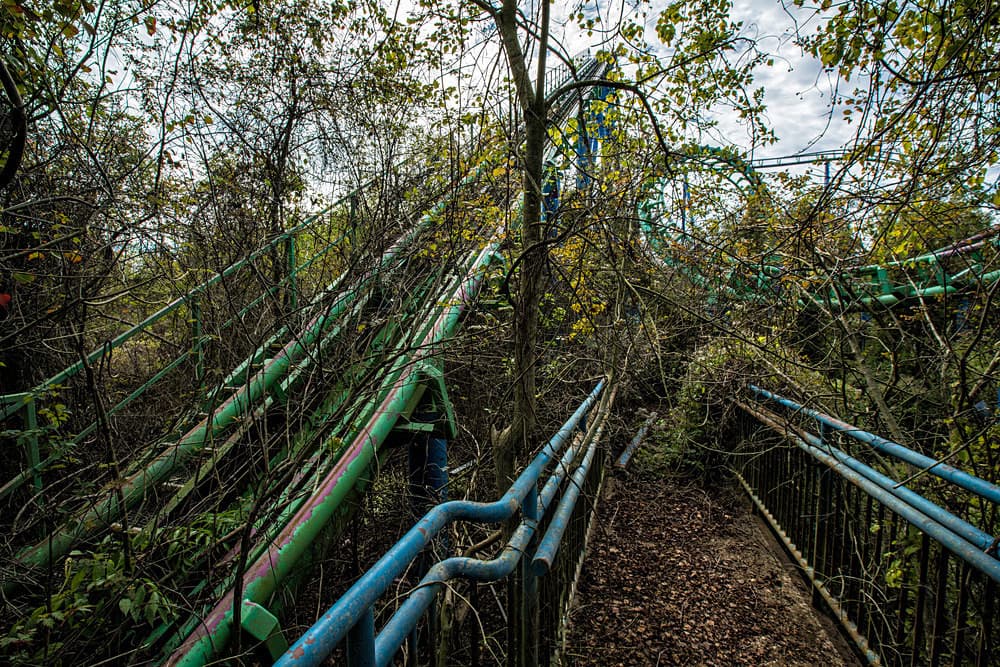
Is urbex legal in the United States?
Urbex is not automatically legal or illegal in the United States. In most cases, exploring an abandoned place without the owner's permission can be treated as trespassing, even if the building appears unused. Some locations may also trigger extra rules involving railroads, utilities, schools, military land, or hazardous sites. Permission and local law are what matter most.
Quick summary
- Abandoned does not mean ownerless or open to the public.
- In the United States, most urbex legal problems come from trespassing law.
- Owner permission is the clearest way to reduce legal risk, but it does not remove every safety or access rule.
- Public property is not always open for entry; closures, restricted areas, and posted notices still apply.
- Rail yards, tunnels, utilities, and critical infrastructure can carry much higher legal and safety consequences.
- Responsible urbex means no forced entry, no vandalism, no theft, and no sharing access methods.
Quick facts
- Country scope: United States
- Main legal issue: Criminal trespass on private or restricted property
- Key rule: Lack of occupancy does not cancel ownership rights
- Higher-risk sites: Active infrastructure, rail property, utilities, military areas, schools, and contaminated properties
- Safer research method: Verify ownership, access status, and local restrictions before visiting
- Practical reminder: This guide is informational, not legal advice
Why is urbex often a trespassing issue in the United States?
In the United States, abandoned places are usually still owned by a private person, company, bank, city, or public agency. If you enter without permission, the legal problem is usually not "urbex" as a special category. The problem is trespassing.
Trespass rules vary by state, but the common principle is stable: if a person enters or remains on property without authorization, that can lead to criminal penalties. A fence, locked door, posted sign, or verbal warning makes the issue clearer, but even an apparently open site can still be off-limits.
That is why the phrase abandoned building can be misleading. From a legal standpoint, the more useful question is: who controls access?
What do trespassing laws in the United States usually prohibit?
Most trespassing laws in the United States prohibit entering private land or buildings without consent, or staying after being told to leave. Some states distinguish between open land and structures. Others increase penalties when someone enters a building, crosses barriers, or ignores posted notices.
Common factors that make the situation worse include:
- No Trespassing signs
- Fences, chains, or locked gates
- Forced entry through doors, windows, or openings
- Prior warnings from owners, neighbors, employees, or police
- Entry into hazardous or security-sensitive areas
Courts and police do not need a site to be actively used every day for trespass law to apply. An unused mill, hospital, or amusement park can still be fully protected by property law.
Does owner permission make urbex legal?
Owner permission is usually the strongest legal basis for entry. If the owner or lawful manager clearly authorizes access, the main trespassing issue is reduced or removed.
However, permission is not a universal shield. Other rules may still apply. For example, a site can contain asbestos, unstable floors, environmental hazards, insurance restrictions, or local orders that limit access. If a property is under active redevelopment, bankruptcy control, or municipal enforcement, the person giving permission must actually have authority to grant it.
A useful standard is simple: written permission is better than assumed permission.
Are abandoned places on public property automatically legal to enter?
No. Public ownership does not mean open access.
Many abandoned schools, hospitals, military sites, public housing complexes, or municipal buildings are owned by a city, county, state, or federal agency. Those entities can close a site, post restrictions, fence it, or require permits. Entering a restricted public building can still lead to charges, citations, or detention.
Photography from public sidewalks or other clearly public areas is often legal, but crossing into a closed structure or restricted grounds is a different question. Public land also includes areas with special rules, such as parks, historic sites, government facilities, and infrastructure corridors.
Which places create the highest legal risk for urbex in the United States?
The highest legal risk usually comes from places that combine trespassing with security, safety, or transportation rules. These are not ordinary abandoned buildings in the eyes of the law.
High-risk categories include:
- Railroads and rail yards
- Subway tunnels and transit infrastructure
- Utility sites such as power plants, substations, water facilities, and telecom compounds
- Airports and port areas
- Military property and former defense facilities
- Active industrial sites that only appear abandoned from the outside
- Schools and campuses with controlled access
At some of these locations, consequences can go beyond simple trespassing. You may encounter federal rules, anti-sabotage laws, transportation security rules, or serious public safety enforcement.
What are the main legal risks of urbex in the United States?
The main legal risks of urbex in the United States are criminal trespass charges, civil liability, and additional charges if there is damage, theft, or forced entry. The exact outcome depends on state law and the specific facts.
Here is a simple comparison:
| Situation | Usual legal outlook | Why it matters |
|---|---|---|
| Entering with valid owner permission | Often lower risk | Permission addresses the core trespass issue |
| Entering private abandoned property without permission | Usually illegal | Ownership still exists even if the site is empty |
| Crossing fences or ignoring posted signs | Higher risk | Clear evidence that access was restricted |
| Forcing a door or window | Serious risk | Can add burglary, criminal mischief, or property damage issues |
| Entering rail, utility, or security-sensitive property | Very high risk | Extra safety and security laws may apply |
| Photographing from a public sidewalk | Often lawful | You remain outside the restricted property boundary |
Civil liability also matters. If someone is injured, damages property, triggers an emergency response, or interferes with redevelopment, the financial consequences can be significant.
Do state laws on urbex in the United States differ a lot?
Yes. State laws differ on definitions, notice requirements, degrees of trespass, and available defenses. Some states require posted notice in specific situations. Others treat entry into buildings more severely than entry onto land. Local ordinances can add another layer.
That means there is no single national urbex rulebook. Two explorers could face different legal outcomes in different states for similar conduct.
For practical planning, check at least four things before any visit:
- Who owns the property
- Whether the site is posted or fenced
- Whether the area is public, restricted, or under redevelopment
- Whether local law treats building entry as a separate offense
Can photographing an abandoned place from outside still be legal?
Often, yes. In many situations, you can lawfully photograph a site from a public sidewalk, public road shoulder where stopping is allowed, or another clearly public vantage point.
That does not give the right to cross barriers, climb onto structures, use drones where prohibited, or obstruct traffic. Local photography rules, drone restrictions, and security zones may still apply.
For many people, exterior documentation is the lowest-risk way to record a place responsibly.
How can you research responsibly before visiting a site?
The best way to reduce legal risk is to verify the location before you go. Responsible research means checking ownership, present use, access controls, and whether the place is actually abandoned.
A preservation-first checklist includes:
- Confirm the site is what it appears to be
- Check whether it is private, public, or actively monitored
- Look for posted restrictions and redevelopment activity
- Never assume that a broken fence or open door is permission
- Avoid sites linked to transport, utilities, or critical infrastructure
- Leave immediately if asked to leave by an authorized person
If you are researching places across the country, start with United States Urbex Map: Find Abandoned Places in All 50 States, then compare categories like 20 Abandoned Hospitals in the United States: A Responsible Urbex Reference and 20 Abandoned Theme Parks in the United States Worth Knowing. You can also Browse all urbex maps for broader planning.
What does responsible urbex look like in practice?
Responsible urbex means documentation without damage, theft, exposure of access points, or pressure to enter illegally. MapUrbex takes a preservation-first position because abandoned places are often fragile, owned, hazardous, or historically important.
A responsible standard includes:
- No trespassing
- No forced entry
- No vandalism, graffiti, or souvenir taking
- No doxxing owners or sharing break-in methods
- No risky entry into unstable or contaminated sites
- Respect for community concerns and site preservation
That approach protects you, protects the location, and keeps documentation credible.
FAQ
Is urbex legal in the United States if the building is clearly abandoned?
Not necessarily. A building can be visibly abandoned and still be private or restricted property. Legal access depends on permission and local law, not on appearance alone.
Can police stop you for photographing an abandoned building in the United States?
They can question you depending on the location and circumstances. Photographing from a public place is often lawful, but entering restricted property, blocking roads, or being near sensitive infrastructure changes the situation.
Is it legal to enter an abandoned house in the United States if there is no sign?
Usually, you should not assume it is legal. A missing sign does not automatically create permission. Ownership rights still exist, and state trespass law may still apply.
What is the biggest legal risk of urbex in the United States?
For most explorers, the biggest legal risk is criminal trespass. The risk becomes much more serious if there is forced entry, damage, theft, or entry into rail, utility, or other security-sensitive property.
Does written permission matter for urbex in the United States?
Yes. Written permission is often the clearest evidence that access was authorized. It is generally much stronger than relying on assumptions, rumors, or an open gate.
Conclusion
So, is urbex legal in the United States? Sometimes, but only under the right conditions. The key legal point is simple: abandoned does not mean free to enter. In most cases, entering without permission can create trespassing risk, and some sites carry much higher consequences because of safety or security rules.
The most reliable approach is careful research, respect for property boundaries, and preservation-first documentation. If access is unclear, do not treat uncertainty as permission.
Access the free urbex map
