 MapUrbex
A responsible guide to the top 10 urbex places in Ontario, with tunnels, silos, mines, ruins, safety notes, and verified-map planning tips.
Top 10 Urbex Places in Ontario, Canada
Ontario has some of Canada's most discussed abandoned tunnels, silos, power plants, ghost towns, and mining ruins. The challenge is not finding names. The challenge is knowing which places are real, which are still standing, and which can be researched without unsafe or illegal entry.
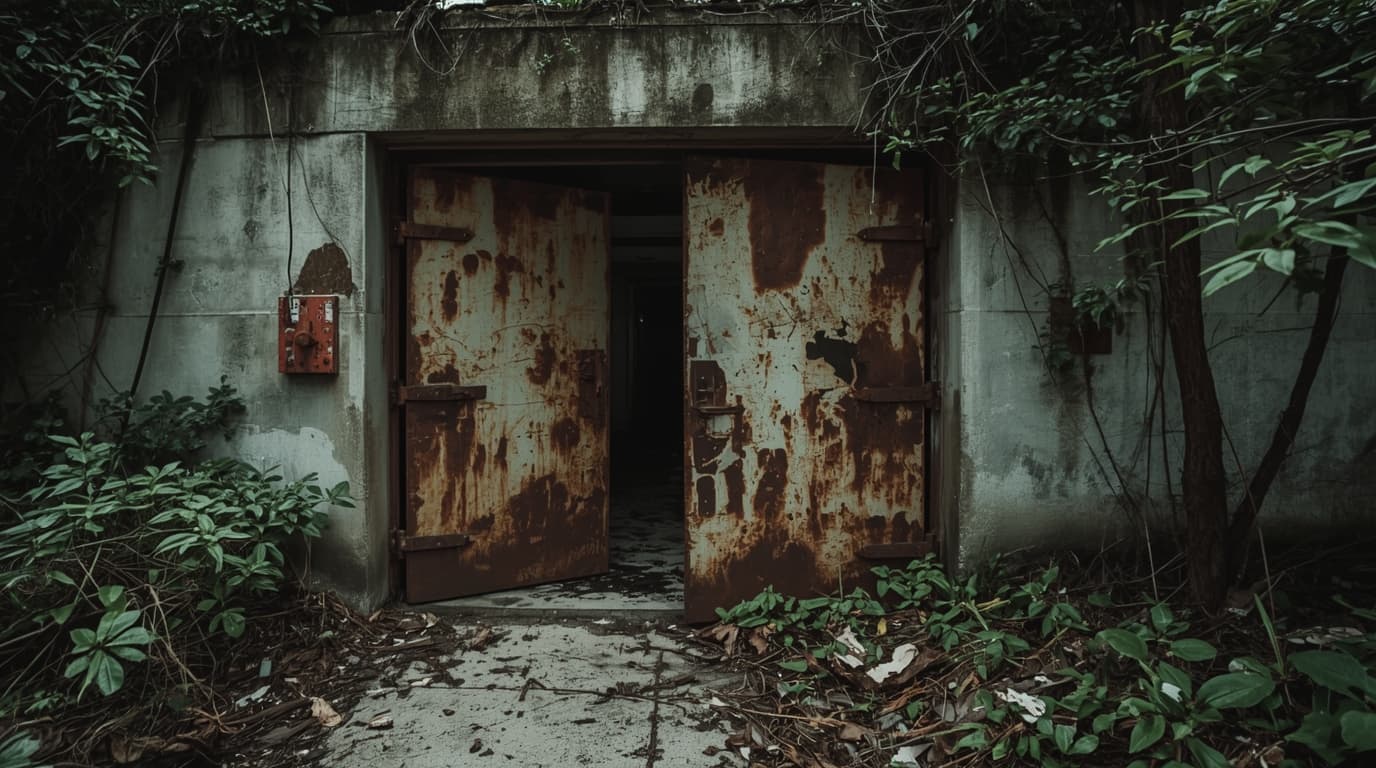
This guide lists 10 of the best-known urbex places in Ontario for history, scale, and visual impact. It is written for responsible explorers, photographers, and researchers who want context first and exact access only when it is legal and verified.
MapUrbex focuses on verified locations, curated maps, and preservation-first exploration. Status changes quickly in Ontario, so always confirm ownership, closures, and hazards before planning a trip.
What are the top 10 urbex places in Ontario?
The top 10 urbex places in Ontario commonly discussed by experienced explorers are Hearn Generating Station, Canada Malting Silos, Blue Ghost Tunnel, Merritton Tunnel, Marmoraton Mine, Burwash Correctional Centre, Camp 30, Balaclava Ghost Town, St. Raphael's Ruins, and the Historic Cobalt Mining District. They stand out for industrial scale, regional history, and strong photographic character, but legal access varies widely.
- Hearn Generating Station, Toronto - One of Ontario's most iconic decommissioned industrial sites, known for massive interiors and a landmark waterfront silhouette.
- Canada Malting Silos, Toronto - A famous industrial ruin on the harbourfront, valued more for architectural presence and history than for any legal interior access.
- Blue Ghost Tunnel, Thorold - Probably the province's most famous abandoned tunnel, associated with railway and canal history in Niagara.
- Merritton Tunnel, St. Catharines - Another classic tunnel site with brickwork, damp conditions, and strong appeal for photographers.
- Marmoraton Mine, Marmora - A dramatic former iron mine with a huge open pit and powerful post-industrial landscape.
- Burwash Correctional Centre, Burwash - A large former correctional and farm complex often mentioned in Ontario urbex discussions.
- Camp 30, Bowmanville - A historically important former prisoner-of-war camp, known more for heritage significance than reliable access.
- Balaclava Ghost Town, Renfrew County - A smaller but atmospheric site that represents Ontario's village-scale abandonment history.
- St. Raphael's Ruins, South Glengarry - Burned church ruins that are visually striking and better understood as a heritage site than a conventional urbex building.
- Historic Cobalt Mining District, Cobalt - A cluster of mining relics, headframes, and industrial remnants that show Ontario's resource-extraction past.
Quick summary
- Ontario's best-known urbex sites are a mix of tunnels, industrial ruins, ghost towns, mines, and heritage remains.
- The most famous names are not always the easiest or safest places to explore.
- Several Ontario locations are sealed, monitored, repurposed, or on private land.
- Public top-10 lists often stay online long after a site has changed status or disappeared.
- A responsible Ontario urbex guide should separate visual interest from legal accessibility.
- Verified maps save time by filtering out fake, demolished, or unusable spots.
Quick facts
- Region: Ontario, Canada
- Best-known site types: Power plants, grain silos, railway tunnels, mines, ghost towns, church ruins
- Best use case: Photography, local history, industrial heritage research, road-trip planning
- Main constraint: Ownership and access conditions change fast
- Best planning method: Verify status before travel and keep backup spots in the same area
Why do these 10 places stand out among the best urbex places in Ontario?
These 10 places stand out because they cover the full range of Ontario urbex: heavy industry, transportation infrastructure, institutional history, mining, and rural abandonment. Together they show why Ontario is one of Canada's most varied provinces for abandoned places.
Toronto's industrial waterfront gives Ontario some of its most recognizable skylines for urbex photography. Hearn and the Canada Malting Silos remain reference points because their scale is hard to match elsewhere in the province.
Niagara adds tunnel history. Blue Ghost Tunnel and Merritton Tunnel are repeatedly cited because they combine infrastructure decay, masonry detail, and regional lore. They are also easier to describe publicly than many privately owned buildings because their appeal is partly historical and landscape-based.
Eastern and Northern Ontario add another layer. Balaclava, St. Raphael's, Burwash, Marmoraton, and Cobalt connect urbex with settlement history, religion, mining, and correctional institutions. That mix is what makes a strong Ontario list more useful than a generic abandoned-building roundup.
Which Ontario urbex sites are best for tunnels, industry, and heritage ruins?
The best Ontario urbex sites depend on what you want to document. Tunnels are strongest in Niagara, large industrial scenes are strongest in Toronto and Marmora, and heritage ruins are better represented by St. Raphael's, Camp 30, and ghost-town locations.
| Place | Area | Type | Why it stands out | Access note |
|---|---|---|---|---|
| Hearn Generating Station | Toronto | Power plant | Massive scale, iconic industrial architecture | Access is highly restricted |
| Canada Malting Silos | Toronto | Grain silos | Waterfront landmark, strong exterior views | Usually better treated as an exterior subject |
| Blue Ghost Tunnel | Thorold | Tunnel | Ontario classic with strong atmosphere | Conditions and legality can change |
| Merritton Tunnel | St. Catharines | Tunnel | Historic brick tunnel and canal context | Wet, dark, and sometimes unstable conditions |
| Marmoraton Mine | Marmora | Mine | Huge post-industrial landscape | Safety risks around cliffs and terrain |
| Burwash Correctional Centre | Burwash | Institutional complex | Size and layered history | Status varies by parcel and building |
| Camp 30 | Bowmanville | Military heritage | Rare prisoner-of-war history | Heritage sensitivity and restrictions apply |
| Balaclava Ghost Town | Renfrew County | Ghost town | Rural atmosphere and local legend | Respect remaining structures and land boundaries |
| St. Raphael's Ruins | South Glengarry | Church ruins | Strong visual identity and historic importance | Treat as a heritage site, not a playground |
| Historic Cobalt Mining District | Cobalt | Mining remains | Multiple relics in one historic district | Risks vary widely across scattered sites |
How should you explore abandoned places in Ontario responsibly?
The right way to explore abandoned places in Ontario is to verify the site's current status, stay outside closed or private areas, avoid forced entry, and prioritize preservation over content. Responsible urbex means leaving no trace and accepting that some famous places should only be viewed from legal public ground.
Use a simple planning checklist:
- Confirm whether the site still exists and whether it is legally accessible.
- Check weather, flooding, snow, and daylight conditions, especially for tunnels and remote mining areas.
- Avoid solo trips in isolated regions.
- Wear basic protective gear if you are in a legal environment where it is appropriate.
- Never move boards, cut fences, break locks, or bypass warnings.
- Do not publish precise entry methods or vulnerable details that increase damage.
Safety reminder: Ontario urbex should never involve trespassing, forced access, vandalism, or unsafe structures. Preservation comes first.
If you want a better research workflow, start with How to Use Google Maps to Find Abandoned Places Responsibly. It explains how to evaluate satellite clues without turning research into reckless exploration.
Why are so many Ontario urbex lists outdated or unreliable?
Most Ontario urbex lists become outdated because abandoned places change faster than blog posts do. Demolition, redevelopment, fire, security upgrades, and ownership changes can make a once-popular location unusable in a matter of months.
This is why generic listicles often disappoint. They repeat old names, copy each other, and ignore whether a place is still standing or visitable. MapUrbex addresses that gap by focusing on verification instead of hype.
For a deeper explanation, read Why Most Urbex Lists Are Fake, and How to Find Real Places. It is especially useful if you have already found multiple Ontario lists that look identical.
Where can you find verified urbex locations in Ontario?
The best way to find verified urbex locations in Ontario is to use a curated map rather than relying only on random blog posts or recycled forum threads. A map-based workflow helps you compare regions, filter by type, and plan backups when a place is closed or unsafe.
Start with Browse all urbex maps if you want a wider overview, or read Abandoned Places Near Me in 2026: How to Find Verified Urbex Spots Safely if you want a repeatable research method for nearby places.
FAQ
Are abandoned places legal to visit in Ontario?
Not automatically. Many abandoned places in Ontario are privately owned, fenced, sealed, or under redevelopment. You should assume permission is required unless a place is clearly open to the public.
What is the best season for urbex in Ontario?
Autumn is often the easiest season for visibility, moderate temperatures, and road access. Winter can reveal more structure through leaf loss, but snow, ice, and short daylight increase risk.
Do I need exact coordinates before planning a trip?
Not always. For responsible planning, region, site type, and legal context matter first. Exact coordinates are only useful after you confirm that a visit is lawful, safe, and realistic.
How can I tell whether an Ontario urbex list is fake?
Look for vague descriptions, copied rankings, no status notes, and no mention of demolition, ownership, or access limits. Reliable guides explain uncertainty and do not pretend that every famous site is still usable.
Conclusion
A good list of the top 10 urbex places in Ontario should do more than name famous ruins. It should explain why each place matters, what type of experience it offers, and whether the site still makes sense for responsible research or photography.
Ontario remains one of Canada's richest regions for urbex variety, but the best results come from verification, not guesswork. Use curated tools, respect closures, and protect the places that are still standing.
Access the free urbex map
