 MapUrbex
A practical 2026 guide to the top 10 abandoned places in Canada, with access notes, safety tips, and verified urbex map options.
Top 10 Abandoned Places in Canada for Urbex in 2026
Canada has no shortage of ghost towns, industrial ruins, former hospitals, and abandoned settlements. But the best-known places are not always the safest, the most legal to access, or the most useful for a real urbex trip.
This guide gives you a clear starting point. It focuses on notable abandoned places in Canada that are already part of the public historical record, and it avoids publishing entry points or trespassing advice. If you want verified, research-based options, start with Browse all urbex maps.
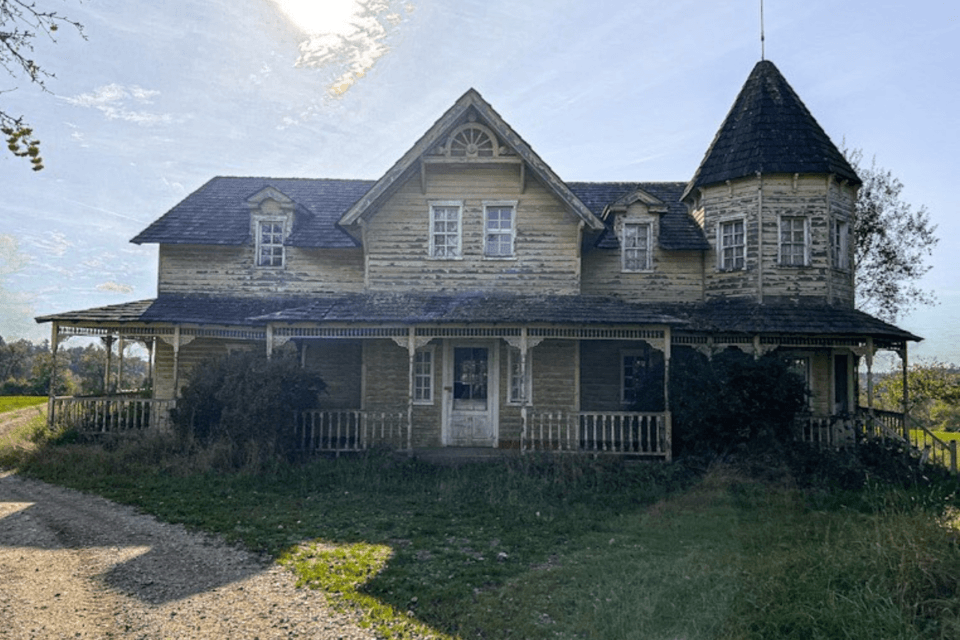
What are the best abandoned places in Canada?
The best abandoned places in Canada for urbex research include Tranquille Sanatorium, Anyox, Bradian, Bankhead, Molson, Balaklava, St. Raphael's Ruins, Val-Jalbert, Gagnon, and Great Harbour Deep. Some are remote ghost towns, some are heritage ruins, and some are better for legal viewing than for exploration. The right choice depends on access, safety, and verification.
Quick summary
- Canada offers a mix of ghost towns, hospital ruins, industrial remains, and resettled communities.
- Many famous places have restricted, private, or changing access conditions.
- The safest options are usually heritage ruins, marked trails, or publicly interpreted former towns.
- Remote Canadian urbex adds weather, wildlife, distance, and poor signal to normal site risks.
- Verified maps are more reliable than viral lists and recycled coordinates.
- Responsible urbex in Canada means no forced entry, no damage, and no public sharing of sensitive access details.
Quick facts
- Country scope: Canada
- Best fit for: photography, history-focused road trips, ghost town research, verified urbex planning
- Typical site types: ghost towns, sanatoriums, mines, churches, company towns, fishing settlements
- Main risks: unstable structures, asbestos, remote terrain, snow and ice, wildlife, weak cell coverage
- Best approach: verify ownership, check local rules, and prefer documented or permission-based access
| Place | Province | Site type | Access note |
|---|---|---|---|
| Tranquille Sanatorium | British Columbia | Former sanatorium complex | Access is often controlled or restricted |
| Anyox | British Columbia | Remote ghost town | Transport and permissions may be an issue |
| Bradian | British Columbia | Former mining town | Ownership can be unclear; do not enter without permission |
| Bankhead | Alberta | Coal town ruins | Best approached as a historic trail stop |
| Molson | Manitoba | Prairie ghost town | Conditions vary; research before travel |
| Balaklava | Ontario | Abandoned settlement remains | Private land may surround parts of the site |
| St. Raphael's Ruins | Quebec | Church ruins | Often suited to exterior heritage viewing |
| Val-Jalbert | Quebec | Preserved company town | Better as a legal heritage visit than classic urbex |
| Gagnon | Quebec | Former mining town | Mostly historical traces remain |
| Great Harbour Deep | Newfoundland and Labrador | Resettled community | Property status varies by area |
Which 10 abandoned places in Canada stand out the most?
The 10 standout abandoned places in Canada are notable because they combine history, atmosphere, and search interest. They are not all equivalent urbex sites, though. Some are better for photography or public heritage visits, while others require serious logistics and very careful legal checks.
-
Tranquille Sanatorium, British Columbia One of the most discussed abandoned places in Canada, Tranquille is known for its former tuberculosis hospital buildings and large institutional footprint. It is a strong research target for urbex in Canada, but access has often been tightly controlled.
-
Anyox, British Columbia Anyox was once a major copper-smelting town. Today it is remembered as one of the country's most striking remote ghost towns. Its scale and isolation make it fascinating, but also impractical for casual exploration.
-
Bradian, British Columbia Bradian is a former mining settlement often mentioned in Canadian exploration circles. The atmosphere is real, but so are the issues of remoteness, ownership, and changing conditions.
-
Bankhead, Alberta Located in Banff National Park, Bankhead is one of the most accessible former industrial settlements on this list. It is best treated as a history stop with marked interpretation rather than a conventional abandoned building mission.
-
Molson, Manitoba Molson is a classic prairie ghost town. For many people, it represents the small-town side of abandoned places Canada searches often miss in favor of large factories and hospitals.
-
Balaklava, Ontario Balaklava is a known Ontario ghost settlement with overgrown remains and a strong abandoned atmosphere. As with many sites in eastern Canada, nearby private land can be the real limiting factor.
-
St. Raphael's Ruins, Quebec These dramatic ruins are visually powerful and historically important. They fit better as a heritage ruin than as a hidden urbex spot, which is exactly why they are useful for responsible exploration planning.
-
Val-Jalbert, Quebec Val-Jalbert is a preserved abandoned company town rather than a secret site. It belongs on this list because it offers one of the clearest legal ways to experience the aesthetics of abandonment in Canada.
-
Gagnon, Quebec Gagnon survives more in memory and traces than in intact buildings, but it remains a key name in Canadian abandoned-place history. It matters because many urbex lists ignore former towns that were erased rather than simply left standing.
-
Great Harbour Deep, Newfoundland and Labrador This resettled community is one of the most compelling examples of abandonment shaped by demographic change. It is especially relevant if you are interested in coastal landscapes and the history of relocation.
How should you check access and safety before any urbex in Canada?
You should assume that access is not legal unless you can confirm otherwise. In Canada, ownership, municipal bylaws, park rules, heritage regulations, and local enforcement all matter more than how abandoned a site looks online.
Use this checklist before planning a visit:
- Confirm whether the place is on private land, park land, Crown land, or a managed heritage property.
- Check if the site is fenced, signed, monitored, or under redevelopment.
- Look for recent, local information instead of relying on old forum posts.
- Avoid forced entry, roof access, underground sections, and visibly unstable floors.
- Respect Indigenous lands, local residents, and community sensitivity around abandoned places.
- In remote areas, plan for weather, animals, fuel, and no phone signal.
For a broader overview, read Urbex Canada: Best Abandoned Places and Exploration Guide.
How can you find verified abandoned places in Canada instead of fake lists?
The best way to find verified abandoned places in Canada is to use curated sources that check location quality, current relevance, and access context. Most viral lists recycle the same names without confirming whether a site still exists, is sealed, or was ever realistic to visit.
MapUrbex is built for that problem. Instead of publishing random coordinates, it focuses on verified locations, responsible urbex, and preservation-first planning.
Helpful next steps:
- Start with Why Most Urbex Lists Are Fake, and How to Find Real Places.
- If you want nearby research methods, see Abandoned Places Near Me in 2026: How to Find Verified Urbex Spots Safely.
- Use the free tool below if you want a practical first step.
FAQ
Is urbex legal in Canada?
Urbex in Canada is not automatically legal. Legality depends on ownership, local rules, posted restrictions, and whether you have permission. An abandoned appearance does not remove trespassing law.
What is the safest kind of abandoned place to visit in Canada?
The safest options are usually publicly interpreted ruins, heritage sites, or former towns with marked paths. They reduce the risks linked to unstable floors, hidden shafts, asbestos, and hidden entry points.
Are ghost towns better than abandoned factories for beginners?
For most beginners, yes. Ghost towns and outdoor ruins are usually easier to assess visually and often involve fewer structural hazards than enclosed industrial buildings.
Should you share exact coordinates of abandoned places in Canada?
In most cases, no. Publicly sharing precise coordinates can increase vandalism, theft, unsafe visits, and conflict with owners or local communities. Preservation-first explorers keep sensitive details limited.
What makes a site one of the best urbex spots in Canada?
The best urbex spots in Canada combine historical value, visual interest, realistic access conditions, and manageable risk. A famous place is not automatically a good place to visit.
Conclusion
The top abandoned places in Canada are not all the same kind of destination. Some are remote ghost towns, some are controlled heritage sites, and some are better for research than for entry. That is why verification matters.
If you want better results than generic lists, use curated data, check current access, and keep preservation ahead of adrenaline.
Access the free urbex map
