 MapUrbex
Use a Belgium urbex map to find verified abandoned places, compare regions, and plan responsible urban exploration with safety and legality in mind.
Belgium Urbex Map: Best Abandoned Places and Responsible Exploration Guide
A Belgium urbex map helps you find abandoned places more efficiently than scattered forum posts or outdated listicles. It gives structure to your research, helps you compare regions, and reduces the risk of wasting time on demolished, sealed, or highly sensitive sites.
For MapUrbex, the goal is not reckless access. The goal is preservation-first research, verified location data, and responsible urban exploration in Belgium. That means checking status, respecting ownership, and avoiding any forced entry or unsafe behavior.
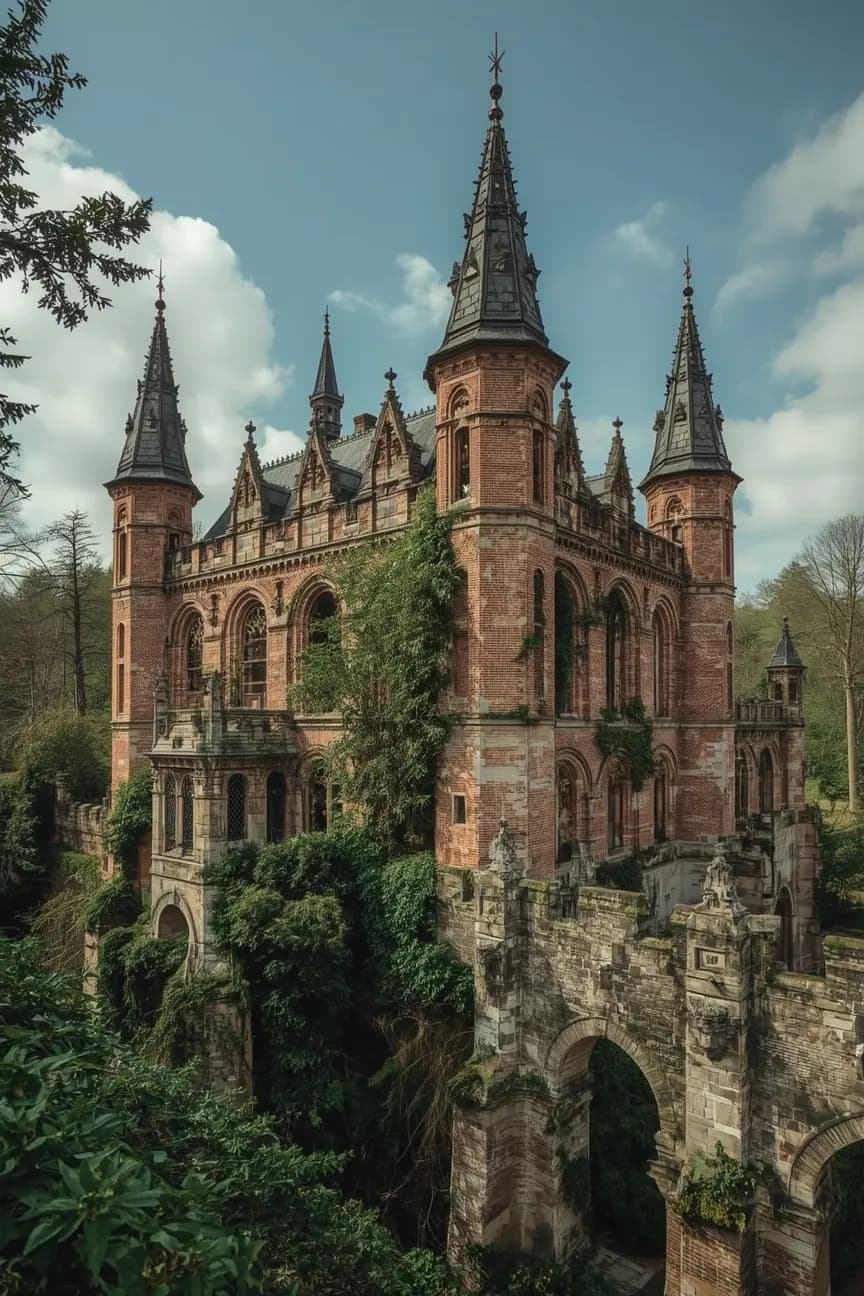
What is the best Belgium urbex map for finding abandoned places?
The best Belgium urbex map is a curated map that prioritizes verified locations, recent context, and responsible exploration guidance. In practice, that means a tool that helps you locate abandoned places in Belgium, understand access sensitivity, and plan safely without encouraging trespassing, damage, or risky decisions.
Quick summary
- A Belgium urbex map is the fastest way to compare abandoned places by region and type.
- Verified location data matters because many sites urbex in Belgium are demolished, secured, or misidentified online.
- Good maps help you research history, context, and practical logistics before any visit.
- Responsible urban exploration in Belgium means no forced entry, no vandalism, and no sharing that puts places at risk.
- Belgium has a dense and varied stock of abandoned hospitals, factories, chateaux, military remnants, and institutional sites.
- MapUrbex focuses on curated maps, preservation-first research, and useful planning filters.
Quick facts
| Item | Detail |
|---|---|
| Country | Belgium |
| Main use | Finding and comparing abandoned places in Belgium |
| Best for | Researchers, photographers, road-trip planners, responsible urbex explorers |
| Typical site types | Factories, castles, hospitals, schools, villas, industrial ruins |
| Main benefit | Faster filtering than random search results |
| Important reminder | Always respect ownership, local law, and safety conditions |
Why use a Belgium urbex map instead of random lists?
A Belgium urbex map is better than random lists because it adds structure and verification. Random lists often copy old information, omit closures, and give no clear sense of where places are concentrated.
Belgium is one of the most searched countries in Europe for urban exploration because the density of locations is unusually high for a relatively small territory. That is useful, but it also creates noise. A map helps separate real, researchable abandoned places from rumors, duplicate entries, or locations that no longer exist.
A strong map also helps with travel efficiency. If you are planning a day trip in Wallonia, Flanders, or near Brussels, visual clustering matters more than a long article with no geographic logic.
If you want a broader overview beyond Belgium, see Urbex Map Europe: How to Find Verified Abandoned Places Safely. If you want to compare collections directly, you can also Browse all urbex maps.
Which abandoned places in Belgium are usually included on a good map?
A good Belgium urbex map usually includes a mix of industrial, medical, residential, religious, and military locations. The exact balance varies by region, but the best maps do not focus on only one category.
Common examples of lieux abandonnés in Belgium include:
- abandoned factories and warehouses
- former hospitals and sanatoriums
- castles, manors, and villas
- schools, convents, and institutional buildings
- railway-related and military remnants
Belgium stands out because many abandoned places combine strong visual decay with layered historical context. A site may have industrial value, architectural value, and social history at the same time.
For a concrete example of context-rich research, read Rayon de soleil Abandoned Hospital in Belgium: History, Context, and Urbex Facts.
How can you explore abandoned places in Belgium responsibly?
Responsible urban exploration in Belgium means researching first, respecting property rights, and never forcing access. If a place is closed, occupied, monitored, unstable, or clearly private, do not enter.
These baseline rules matter:
- Never break locks, fences, boards, or windows.
- Never take objects or alter the site.
- Never publish sensitive details that increase vandalism risk.
- Avoid solo visits in unstable structures.
- Check weather, daylight, and emergency access before departure.
- Leave immediately if asked by owners, staff, or authorities.
This preservation-first approach is central to MapUrbex. A useful map should reduce bad decisions, not create them.
How does MapUrbex help you find verified urbex sites in Belgium?
MapUrbex helps by organizing location research into a usable map format. Instead of searching page by page, you can compare areas, identify clusters, and focus on places that fit your interests.
That matters for people looking for sites urbex in Belgium because raw search results often mix active buildings, inaccessible ruins, and recycled content. A curated map gives a cleaner starting point.
If you want a dedicated overview of this topic, read Belgium Urbex Map: Best Abandoned Places and Responsible Exploration Guide.
Which Belgian regions are most interesting for urban exploration in Belgium?
The most interesting Belgian regions for urban exploration are usually the ones with industrial history, institutional heritage, and older building stock. In practice, that often means parts of Wallonia, former industrial corridors, and selected rural zones with abandoned estates.
Wallonia is often associated with heavy industry, old mining belts, and large disused complexes. Flanders can offer smaller industrial sites, villas, and dispersed structures, though visibility and access patterns differ. Around Brussels, the research challenge is often higher because redevelopment pressure is stronger.
The right region depends on what you want to study:
- industrial decay: former factories, workshops, logistics sites
- architectural atmosphere: castles, chateaux, mansions
- medical and institutional history: hospitals, clinics, schools
- photography road trips: areas with several medium-distance options
A map is useful because it turns these broad patterns into a practical route-planning tool.
What should you check before choosing a location on a Belgium urbex map?
Before choosing any location, check whether the place still exists, whether it appears abandoned in a meaningful sense, and whether the legal and physical risks are acceptable. A map is a research tool, not a permit.
Use this checklist:
- Confirm the site is still standing.
- Look for signs of redevelopment or demolition.
- Check whether the land is private, active, or monitored.
- Review structural risks such as roofs, floors, and water damage.
- Prefer daytime scouting over improvisation.
- Avoid publishing or requesting entry methods.
This process is especially important in Belgium because many well-known spots change quickly.
FAQ
Is urban exploration legal in Belgium?
Urban exploration is not a blanket legal category that overrides property law. In Belgium, many abandoned places are still privately owned or otherwise restricted. You should not enter without permission, and you should never force access.
Can beginners use a Belgium urbex map?
Yes, beginners can use a Belgium urbex map as a research tool. The safest use is to compare regions, study building types, and understand context before considering any lawful visit.
Are all abandoned places in Belgium accessible?
No. Many abandoned places in Belgium are sealed, monitored, structurally dangerous, or on private land. A location appearing on a map does not mean public or legal access.
What should you bring for a lawful and careful visit?
Bring charged communication, water, sturdy footwear, a light, and basic first-aid supplies. Do not bring tools intended for entry, because responsible exploration excludes forced access.
Where should I start if I want a broader overview?
Start with a curated collection rather than isolated blog posts. You can Browse all urbex maps to compare regions and trip ideas more efficiently.
Conclusion
A Belgium urbex map is useful because it turns fragmented research into a clear planning system. It helps you compare abandoned places in Belgium, focus on relevant regions, and avoid low-quality or outdated information.
The best approach is always the same: verify first, respect the site, and treat mapping as a preservation tool rather than an invitation to trespass. That is how responsible urban exploration in Belgium stays useful, safer, and sustainable.
Access the free urbex map
