 MapUrbex
A practical guide to abandoned sanatoriums and hospitals in France, with 12 standout site profiles, legal context, and essential urbex safety advice.
12 Abandoned Sanatoriums and Hospitals in France: Best Urbex Picks and Safety Guide
France has a deep and varied stock of abandoned medical architecture. Former tuberculosis sanatoriums, closed hospital wings, psychiatric campuses, and military care facilities still shape the urbex imagination across the country.
This guide is written for people searching for abandoned sanatoriums and hospitals in France in a serious, documented way. It does not publish risky entry tips or fragile access details. It explains what kinds of sites stand out, why they matter, and how to approach research responsibly.
MapUrbex follows a preservation-first approach. Verified locations, legal context, and safety assessment matter more than sensational ruin content.
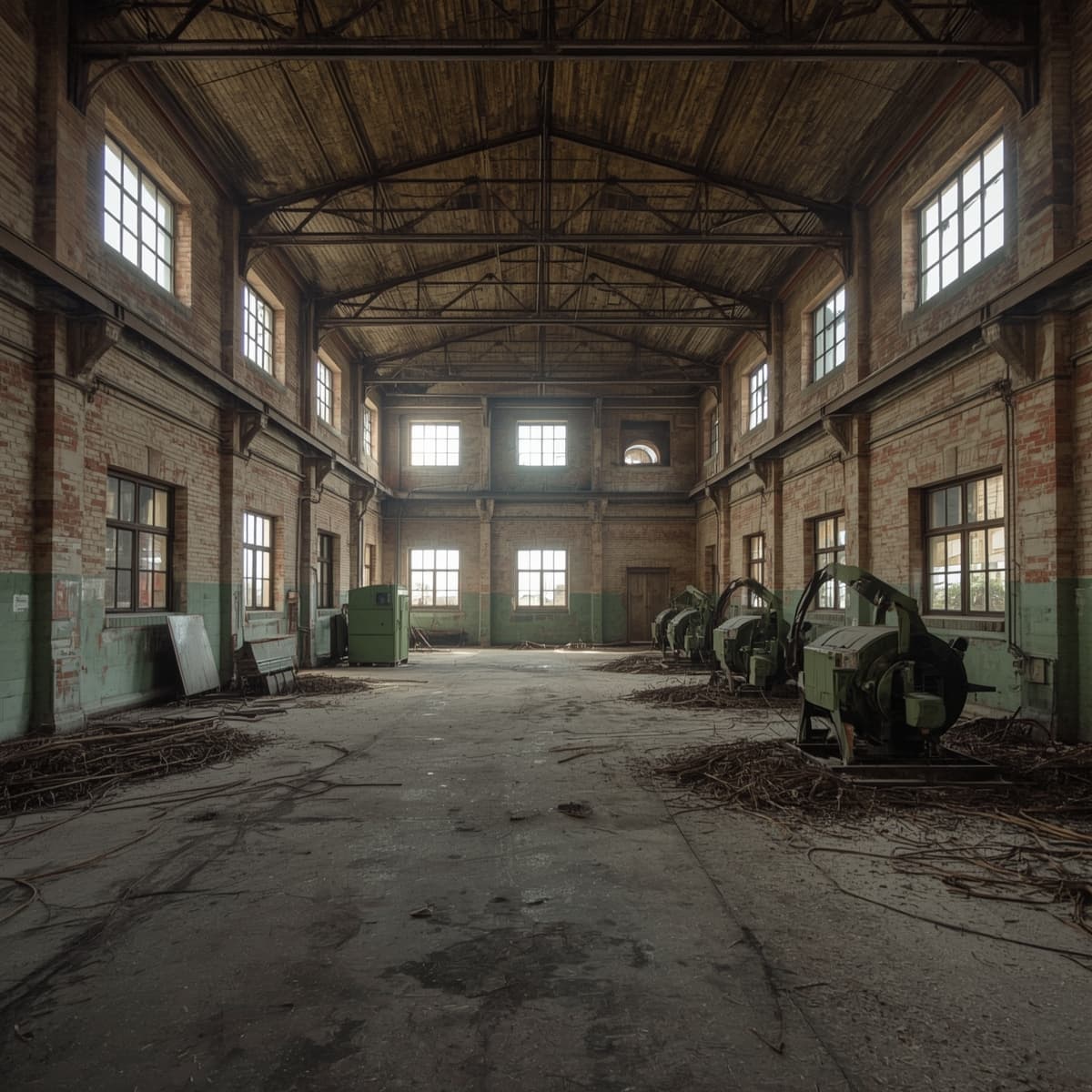
What are the best abandoned sanatoriums and hospitals in France?
The best abandoned sanatoriums and hospitals in France are usually former mountain sanatoriums, pavilion hospitals, psychiatric institutions, military hospitals, and large regional medical complexes with strong historic fabric and manageable risk profiles. For responsible urbex, the best site is not the most damaged one. It is the site with verified information, clear legal context, and safer conditions.
If you want curated leads instead of random claims, start with Browse all urbex maps or Access the free urbex map.
Quick summary
- France is one of the richest countries in Europe for abandoned medical architecture.
- The most sought-after places are former sanatoriums, psychiatric hospitals, military hospitals, and closed regional hospital campuses.
- Mountain areas often hold the most iconic sanatorium ruins because altitude and sunlight were once part of tuberculosis treatment.
- The main urbex hospital risks are asbestos, rotten floors, collapsing stairs, shafts, and contaminated rooms.
- In France, abandonment does not mean legal access. Ownership and entry conditions still apply.
- MapUrbex focuses on verified locations, responsible urbex, and preservation-first mapping.
Quick facts
- Country: France
- Primary site types: sanatoriums, general hospitals, psychiatric hospitals, convalescent homes, military hospitals
- Main historical periods: late 19th century to the 1970s
- Typical settings: Alps, Pyrenees, spa towns, industrial regions, former garrison towns
- Most photographed features: long corridors, tiled wards, stair halls, chapel spaces, pavilion blocks
- Main hazards: asbestos, lead paint, structural decay, water damage, broken glass, private security
Which 12 abandoned sanatorium and hospital profiles stand out in France?
The strongest French medical ruins fall into recurring categories. To stay accurate and avoid exposing fragile places, this article ranks 12 site profiles rather than publishing unverified access points.
1. Former Alpine tuberculosis sanatoriums
These are among the most visually striking abandoned sanatoriums in France. They often sit on terraces or south-facing slopes and combine large balconies, cure galleries, and long ward façades.
2. Pyrenean hillside sanatoriums
These sites are valued for isolation, dramatic views, and intact treatment blocks. They often show the classic rest-cure logic of air, light, and distance from dense cities.
3. Vosges and Jura climate-treatment facilities
These smaller sanatorium complexes often feel more intimate than Alpine giants. They are especially interesting for researchers who want preserved layouts rather than sheer scale.
4. Seaside convalescent hospitals
On the Atlantic and Channel coasts, former care homes and recovery centers mix medical history with marine exposure. Salt air and storms usually accelerate decay.
5. Large pavilion hospitals on city edges
These hospital campuses often include multiple disconnected buildings, courtyards, kitchens, chapels, and service tunnels. They can be photogenic, but they also create complex risk zones.
6. Abandoned psychiatric hospitals
Former psychiatric institutions often include farms, chapels, dormitories, workshops, and enclosed gardens. They attract heavy interest, but they also tend to be highly sensitive and legally protected.
7. Former military hospitals
France has many old military towns, and some closed care facilities survive there. These sites are often robustly built and historically important, but access control can remain strict.
8. Maternity and pediatric wings inside closed hospital campuses
These areas are often smaller than full hospitals, but they can preserve medical furniture traces, signage, and tiled treatment rooms.
9. Preventoriums and children's recovery homes
These buildings sit between the sanatorium and boarding-school worlds. Their architecture usually prioritizes balconies, dormitories, and sun exposure.
10. Thermal spa medical centers
Old spa regions in France sometimes contain closed treatment facilities linked to water cures, rehabilitation, or long-stay recovery medicine.
11. Industrial-company hospitals
Mining, steel, and factory regions once built employer-linked care facilities. Today, these sites often connect industrial heritage with medical history.
12. Rural local hospitals absorbed by modern health networks
These smaller hospitals are less monumental, but they are common in France. They often remain easier to document from the exterior than larger landmark sites.
Why are abandoned sanatoriums in France so often found in mountain areas?
Many abandoned sanatoriums in France are in mountain areas because tuberculosis treatment once relied on altitude, sunlight, dry air, and long-term rest. From the late 19th century to the mid-20th century, planners favored slopes, forests, and open terraces believed to support recovery.
That medical logic shaped architecture directly. Sanatoriums were designed with sun balconies, large windows, cure terraces, and separated pavilions. Even after treatment methods changed, those buildings remained distinctive. That is why a sanatorium abandoned in France often looks very different from a standard urban hospital.
How do sanatoriums differ from abandoned hospitals in France?
Sanatoriums and hospitals are not the same thing. A sanatorium was usually built for long stays and climatic therapy, while a hospital was built for broader care functions such as surgery, maternity, emergencies, or psychiatry.
| Site type | Typical layout | Visual highlights | Main hazards | Research value |
|---|---|---|---|---|
| Sanatorium | Pavilions, terraces, balconies | Cure galleries, mountain façades, solariums | Rot, exposure, asbestos | Very high |
| General hospital | Blocks, wings, service cores | Wards, operating rooms, stair halls | Complex circulation, collapse risk | High |
| Psychiatric hospital | Campus with annexes | Chapels, dormitories, workshops | Sensitive legal status, hidden shafts | Very high |
| Convalescent home | Smaller medical-residential plan | Verandas, dormitories, gardens | Water damage, soft floors | Medium to high |
| Military hospital | Functional and robust plan | Historic signage, courtyards, long corridors | Security and legal controls | High |
For photographers and researchers, the difference matters. A hospital urbex session usually means denser infrastructure and more internal hazards. A sanatorium often offers stronger architectural readability, but exposure to weather can be worse.
What safety risks matter most during urbex in a hospital or sanatorium?
The main risks are structural instability, toxic materials, and false assumptions about abandonment. A closed medical building can look intact from outside while hiding rotten floors, weakened staircases, asbestos insulation, open shafts, or contaminated rooms.
A few rules matter more than gear lists:
- Never force entry or bypass locks.
- Never treat an abandoned hospital in France as publicly accessible by default.
- Avoid roofs, basements, service tunnels, and isolated upper floors.
- If a site shows signs of demolition, fire damage, or recent vandalism, leave.
- Do not move medical records, objects, or furniture.
- Go only when conditions are legal, daylight is sufficient, and someone knows your route.
For many people, the responsible choice is exterior documentation only.
What are the legal rules before visiting abandoned medical sites in France?
In France, legality depends on ownership, access conditions, local restrictions, and the way you enter. An abandoned building is not automatically open to explorers, photographers, or urban historians.
Before any trip, read Is Urbex Legal in France? Complete Guide for 2026, Is Urbex Legal in France? Full 2026 Guide, and Urbex Rules in France: What to Know Before You Explore.
The practical rule is simple: no trespassing, no forced access, no damage, no theft, and no publication of fragile entry details. Responsible urbex protects places instead of accelerating their decline.
How does MapUrbex help you find abandoned hospitals in France responsibly?
MapUrbex helps by curating verified locations, filtering out bad leads, and keeping preservation first. That matters especially for abandoned hospitals and sanatoriums, where legal sensitivity and structural risk are higher than at many industrial sites.
Use Browse all urbex maps if you want a wider view of France, or Access the free urbex map if you want to start with a lower-risk discovery workflow.
FAQ
This FAQ answers the most common questions about abandoned hospitals and sanatoriums in France.
Are abandoned hospitals in France legal to visit?
Not automatically. A hospital may be abandoned in practice but still be private property, municipally controlled, under redevelopment, or actively monitored. Legal access always depends on the property status and the way you approach it.
Is asbestos common in former medical buildings?
Yes. Asbestos is common in many former hospitals and sanatoriums in France, especially in insulation, pipe lagging, ceiling systems, and technical rooms. If damage is visible, the risk rises sharply.
Why are many French sanatoriums architecturally distinctive?
They were designed around light, air, rest, and long-term cure routines. That is why they often include balconies, terraces, large windows, and pavilions that are easy to recognize in photographs.
What should beginners avoid at an abandoned hospital?
Beginners should avoid interiors with uncertain floors, roof access, basements, tunnels, recent fire damage, and any site that requires trespass or forced entry. Exterior observation is often the smarter choice.
Why does MapUrbex avoid publishing exact fragile access details?
Because open access data can accelerate vandalism, theft, and unsafe behavior. Verified, curated, preservation-first mapping is more useful over time than viral exposure.
Conclusion
The best abandoned sanatoriums and hospitals in France are not defined only by decay. They stand out because they combine medical history, strong architecture, and a research context that can still be approached responsibly.
If you want to find these places through verified and curated information, use MapUrbex as your starting point instead of relying on random coordinates.
Access the free urbex map
You can also Browse all urbex maps for a broader France-wide view.
